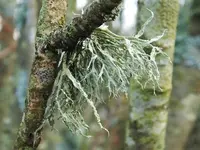
Pacific Candleflame Lichen Care (Candelaria pacifica)

Pacific Candleflame Lichen

About Pacific Candleflame Lichen

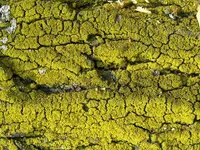
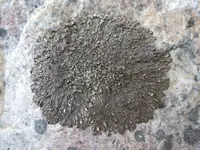
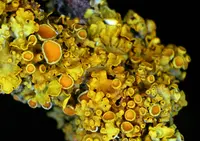
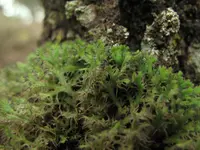
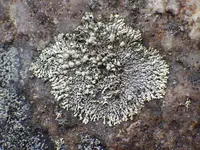
Pacific candleflame lichen, Candelaria pacifica, is a small foliose lichen rather than a true plant, formed by a partnership between a fungus and photosynthetic algae. It typically appears as bright yellow to yellow‑green patches with finely lobed, leafy edges.

This species commonly grows on tree bark, twigs, fences, and other wood surfaces in coastal and urban areas, especially in western North America and parts of Europe. It is often considered relatively tolerant of mild air pollution and variable moisture, which can make it easier to observe and care for Pacific Candleflame Lichen in cultivation.

It prefers clean to moderately clean air, stable surfaces to attach to, and locations that offer indirect light and regular access to moisture from rain, mist, or high humidity.


Main Plant Requirements

Care Difficulty

Moderate Care

Light Preference

Partial Shade

Water Requirements

Moderate Water

Temperature Preference

Cool Climate

Hardiness Zone

Unknown

Soil Texture

Rocky, Sandy, Loamy

Soil pH

Slightly acidic (6.5–7.0), Neutral (7.0)

Soil Drainage

Well-drained

Fertilization

Minimal (feed rarely)

Get Personalized Care Plan

Scan your plant to receive care tips personalized for your specific plant

Available on iOS and Android

How to Care for the Pacific Candleflame Lichen

This lichen thrives in bright, cool sites with filtered natural light rather than harsh, direct sun.

  • Provide 2–4 hours of gentle morning sun or bright open shade; avoid strong afternoon sun that can dry or bleach the thallus surface.
  • Tolerates partial shade under open tree canopies, on rocks, or fences where it receives indirect sky light most of the day.
  • In hot, dry summers, extra shade and higher ambient humidity help Pacific Candleflame Lichen maintain moisture and stable color.

Candelaria pacifica relies mainly on ambient moisture and does not need active watering in natural outdoor settings.

  • This lichen absorbs water from rain, mist, and dew; in cultivated displays, mist lightly when surfaces feel crisp and dry, then allow to fully air-dry.
  • Avoid constant wetness or standing water on substrates, which encourages algae and decay; good air circulation is more important than frequent misting.
  • In hot, windy periods, brief misting during cooler morning or evening hours can reduce desiccation, while pale, brittle patches indicate prolonged dryness.

This species prefers mild, ocean-influenced climates without temperature extremes.

  • Optimal growth occurs around 45–70°F (7–21°C), typical of cool, moist coastal conditions with regular fog or rainfall.
  • Tolerates winter lows near 20°F (−6°C) on bark or rock as long as freezing conditions are not combined with prolonged dryness and strong sun.
  • Above about 85°F (29°C), growth slows; provide shade and higher humidity, since extreme heat with low moisture can cause bleaching and tissue damage.

Humidity is not a major factor for Candelaria pacifica, which tolerates a wide range of ambient conditions.

This lichen prefers mineral, well-drained surfaces rather than typical potting soil environments.

  • Aim for a gritty, sandy texture over solid rock, masonry, or bark where water drains off quickly and does not pool.
  • Ensure the substrate remains free-draining, mimicking roadside stones or bark with fast surface drying after rain.
  • Keep pH roughly neutral to slightly alkaline by using sand, crushed stone, or mortar fragments rather than acidic peat-based mixes.
  • Avoid compact, organic-rich, water-retentive media, which stay damp and can prevent proper attachment and gas exchange.

This species is not well suited to conventional container growing and is best kept on outdoor, exposed surfaces.

This lichen is adapted to nutrient-poor substrates and usually does best with no direct fertilization.

Pruning Candelaria pacifica is rarely needed and is limited to careful cleanup rather than shaping.

  • If removal is necessary, choose cool, dry weather to limit damage and desiccation.
  • Gently lift away only dead, detached, or obviously contaminated thalli using gloved fingers or soft tweezers.
  • Avoid cutting into bark or rock surfaces; the lichen anchors shallowly and mechanical injury can strip healthy tissue.
  • Do not use disinfectants or sealants, which can kill surrounding lichen and alter the microhabitat.

As a crustose lichen, Candelaria pacifica is not repotted and is only rarely transplanted from natural substrates.

  • Transplant only when a host branch or surface will be removed, keeping sections of bark or rock intact under the lichen.
  • Carry out any move in cool, moist weather to reduce desiccation stress and sudden light changes.
  • Avoid disturbing the holdfasts; never scrape the lichen free from its original substrate.
  • Mount the original substrate piece onto a new support and secure gently, allowing natural reattachment over time.

Propagation of Candelaria pacifica is slow and specialized, so it is typically left to establish and spread naturally.

Pacific Candleflame Lichen is cold hardy in its native range and generally needs no dedicated winter care outdoors.

Care Tips

Mimic Natural Substrates

Attach the lichen to rough, stable surfaces like unsealed bark, old fence slats, or natural stone using a light mesh or breathable thread until it self‑anchors, since smooth or painted materials rarely allow secure long‑term attachment.

Optimize Air Movement

Place mounting surfaces where gentle, constant air flow passes over them, such as along open balcony railings or breezy fence lines, because stagnant air encourages algae overgrowth and reduces lichen vigor.

Control Nutrient Drift

Keep this lichen well away from fertilized lawns, flowerbeds, or containers where fertilizer spray, runoff, or dust can reach it, since excess nutrients favor competing algae and moss that can smother the thallus.

Reduce Pollution Stress

Site colonies upwind of busy roads, chimneys, or fire pits and gently rinse surfaces with clean, non‑chlorinated water after heavy smoke or dust exposure, as Candelaria pacifica is sensitive to air pollutants that block gas exchange.

Monitor Host Stability

Regularly check that the host material (such as aging branches or old wooden rails) remains structurally sound and shift small lichen‑covered pieces to a new similar substrate before the original breaks or decays completely when caring for Pacific Candleflame Lichen.

Common Pests and Diseases

Air pollution damage

Symptoms include bleaching, reduced growth, and local disappearance of thalli in areas with high sulfur dioxide, nitrogen oxides, or particulate pollution. This disease reflects the lichen’s high sensitivity to polluted urban or roadside air.

Solution

This disease is managed mainly by site choice: move collections or cultures away from busy roads, industrial zones, or chimneys and provide good airflow with clean outdoor air. For conservation or display, select locations with lower traffic emissions and avoid prolonged exposure to vehicle exhaust or smoke sources.

Desiccation stress

Symptoms include brittle, highly shrunken thalli that fail to rehydrate fully, with a dull or brownish surface and gradual fragment loss. This stress occurs when exposed to prolonged heat, full sun, and drying winds without periodic moisture.

Solution

To reduce damage, place substrates where the lichen receives intermittent moisture from fog, mist, or light rain and is partly sheltered from intense midday sun and hot, drying wind. In cultivated or display situations, provide brief, periodic misting and moderate air movement rather than constant direct drying airflow.

Algal layer photodamage

This disease presents as pale, bleached, or transparent patches on the thallus surface, especially on sun-exposed edges. This condition develops when intense light and heat damage the photosynthetic algal partner inside the lichen.

Solution

Management relies on moderating light and heat: favor sites with bright but indirect light or dappled shade rather than exposed full sun on hot surfaces. In cultivated settings, position the lichen on cooler, non-reflective substrates and, if needed, provide light shade cloth or placement under open-canopy branches.

Snail and slug grazing

This pest causes irregular bite marks, shredded lobes, and gradual thinning or removal of thalli on moist, accessible substrates. These animals are especially active during wet periods and in shaded, ground-level habitats.

Solution

To limit grazing, elevate or relocate important colonies away from ground-level snail and slug pathways and reduce dense, damp debris that shelters them. Where pressure is high, use physical barriers such as copper tape on supports, hand-removal during damp evenings, or carefully placed, pet-safe traps around but not directly on the lichen substrate.

Interesting Facts

Urban nitrogen specialist

This species is strongly associated with areas that have moderate to high nitrogen pollution from traffic and urban activities, and is widely used by lichenologists as an indicator of nitrogen-enriched environments on the Pacific coast of North America and parts of Europe.

Bark and leaf epiphyte

Unlike many related yellow lichens that prefer rock, it typically grows on bark and even on living leaves and needles of shrubs and trees, forming small, bright yellow rosettes on twigs, branches, and evergreen foliage.

Recent taxonomic split

Candelaria pacifica was described as a distinct species only in 2011 after detailed microscopic and chemical studies showed that many coastal North American and European specimens previously identified as Candelaria concolor actually belonged to this separate taxon.

Botan icon

Did you know?

Candelaria pacifica often forms part of early colonizing lichen communities on young or disturbed tree bark in coastal regions, helping to initiate biological crusts that later support more diverse assemblages of lichens, algae, and microorganisms.

FAQs about Pacific Candleflame Lichen

This lichen grows very slowly, often only a few millimeters per year. Growth depends on clean air, stable moisture, and suitable host surfaces such as bark or rock. Disturbance, pollution, and prolonged dryness can almost stop development.

Grow Healthy Plants with Botan Care

Keep your plants happy and healthy with plant identification, disease detection, and easy care guidance.

Botan plant care app — identify plants on mobile

Explore More Plants