farinose cartilage lichen Care (Ramalina farinacea)

Also known as: Dotted Ramalina
farinose cartilage lichen

About farinose cartilage lichen

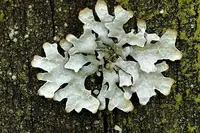
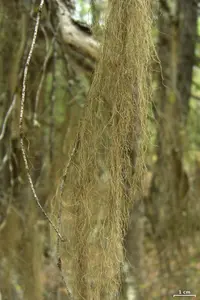
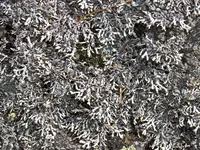
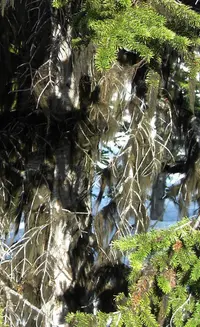
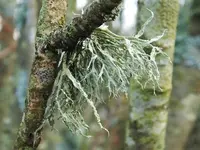
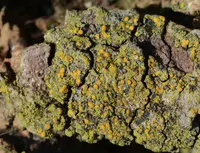
Farinose cartilage lichen, Ramalina farinacea, is a fruticose lichen, not a true plant, formed by a partnership between a fungus and photosynthetic algae. It has pale green, flattened, strap-like branches that hang or tuft on tree bark, rocks, or shrubs.

This species is widespread in many temperate and Mediterranean regions, especially in clean, well-aerated environments, and often indicates good air quality. It grows slowly and can be sensitive to air pollution and physical disturbance, which affects how easy it is to keep alive.

Those who want to learn how to care for farinose cartilage lichen should know it prefers stable light, gentle moisture, and a firm, slightly rough surface rather than regular potting soil.

Main Plant Requirements

Care Difficulty

Hard Care

Light Preference

Partial Shade

Water Requirements

Low Water

Temperature Preference

Cold Hardy

Hardiness Zone

5–9

Soil Texture

Rocky, Sandy

Soil pH

Acidic (5.5–6.5)

Soil Drainage

Well-drained

Fertilization

Minimal (feed rarely)

Get Personalized Care Plan

Scan your plant to receive care tips personalized for your specific plant

Available on iOS and Android

How to Care for the farinose cartilage lichen

This lichen prefers cool, bright conditions that mimic open but not exposed tree bark or rock surfaces.

  • Provide bright, indirect light or light dappled shade for 4–6 hours per day; brief early-morning sun is acceptable, but avoid strong midday and afternoon sun.
  • Allow partial shade the rest of the day; farinose cartilage lichen tolerates low light for short periods but growth slows in dense shade.
  • In summer, protect from hot, reflective surfaces that cause drying and bleaching; in winter, ensure at least 3–4 hours of diffuse daylight for stable color and texture.

Ramalina farinacea relies mainly on ambient moisture, wetting and drying in short cycles rather than staying constantly damp.

  • Outdoors, natural rainfall and fog usually suffice; supplement only during extended dry spells when thalli feel crisp and remain pale for several days.
  • If mounted or handled in cultivation, briefly mist with fine spray, then allow surfaces to dry fully within a few hours to prevent prolonged saturation.
  • Signs of excess moisture include persistent softness, darkening, and algae growth; prolonged dryness shows as extreme brittleness and slow recovery after wetting.

This species is adapted to mild, ocean-influenced climates but tolerates a fairly wide temperature range.

  • Ideal temperatures for active growth are about 40–70°F (4–21°C), especially during cool, moist periods with regular fog or rain.
  • It can survive brief cold down to around 15–20°F (-9 to -6°C), but repeated hard frosts combined with dry winds can damage exposed thalli.
  • Heat above 85°F (29°C) is tolerated only with high humidity or shade; reduce exposure to hot, dry air in mid-summer to limit desiccation stress.

This lichen needs consistently moist air rather than moist substrate to stay healthy in cultivation.

  • Aim for 70–95% humidity, such as in a terrarium, shaded greenhouse, or naturally damp outdoor microclimate.
  • It tolerates brief dips to 50–60% but dries and becomes brittle in prolonged centrally heated, low-humidity indoor air.
  • Humidity stress shows as fading color, crisp, easily crumbling branches, and slow recovery after misting.
  • Increase humidity with a sealed or semi-sealed terrarium, frequent fine misting, or placement above (not in) a shallow water tray.

In nature this epiphytic lichen grows on bark and rocks rather than in soil, so substrate choice focuses on drainage and aeration.

  • Use a very loose, mineral-heavy mix such as 40% fine bark, 40% coarse sand or pumice, and 20% crumbly leaf litter or low-nutrient compost.
  • Ensure extremely rapid drainage; the substrate should wet briefly during misting or light watering, then dry quickly without staying soggy.
  • Keep pH slightly acidic to neutral (pH 5.5–7.0), similar to many untreated barks and non-calcareous rocks.
  • Avoid dense potting soil, peat-heavy mixes, and fertilizer-rich substrates, which hold water, slow air exchange, and can damage Ramalina farinacea.

This lichen can be grown in containers mainly as a mounted specimen, not as a rooted plant in standard pots.

  • Use a shallow, wide container or tray so the mounted lichen has maximum air movement around all sides and does not sit in stagnant pockets.
  • Secure the bark or rock mount firmly using inert ties or mesh so the light thalli are not dislodged by airflow or handling.
  • Select a breathable container material such as unglazed clay to reduce surface condensation and help the mount dry gently between misting cycles.

Ramalina farinacea is a lichen that grows on nutrient-poor bark and rock, so it does not need or tolerate conventional fertilizing.

Pruning Ramalina farinacea is minimal and mainly for safety or appearance rather than plant health.

  • Trim only loose, dead, or badly damaged thalli using small, clean scissors to avoid tearing the host bark.
  • Carry out any cutting in dry weather so surfaces dry quickly and rot risk stays low.
  • Avoid thinning healthy, attached growth, as removal does not improve vigor and reduces ecological value.

This lichen is usually left on its host surface and is not suited to standard repotting like a potted plant.

  • Transplant only when a host branch is being removed or a habitat feature must be moved.
  • Choose a cool, overcast day and keep thalli shaded and lightly moist during handling to limit desiccation stress.
  • Move small bark or twig sections carrying the lichen intact rather than peeling it off the substrate.
  • Secure the lichen-bearing piece to a new compatible branch or rock using soft ties until it reattaches naturally.

Propagation of Ramalina farinacea is possible but slow and specialized, so most growers rely on natural spread rather than active methods.

  • Use small fragments of healthy thalli containing soredia or isidia, as these structures already include both partners of the lichen.
  • Attach fragments to rough bark or rock with biodegradable thread or a loose net so they stay in place without smothering.
  • Choose cool, humid seasons such as fall or early spring to reduce drying and improve establishment.
  • Provide bright, indirect light, good air flow, and clean, low-pollution conditions, avoiding nutrients or standard plant substrates.

Ramalina farinacea is naturally cold hardy in temperate climates and usually needs no special winter care.

  • Outdoor colonies on trees or rocks tolerate freezing and thawing without mulching or extra insulation.
  • Avoid applying de-icing salts, road spray, or heavy winter pruning near host trees, as these stress the lichen.
  • For experimental indoor displays, keep in a cool, bright, well-ventilated spot and allow periodic light misting instead of heavy watering.

Care Tips

Air-circulation check

Mount the lichen in a spot with frequent gentle air movement and test it by briefly misting; the surface should dry within 1–3 hours rather than staying wet all day, which reduces risk of rot and algal overgrowth.

Salt and pollution control

If collected near roads or the ocean, soak the thalli in several changes of rainwater or distilled water for 10–15 minutes each time to flush road salt and pollutants that can slowly kill the tissues indoors.

Gentle mounting method

Attach the lichen loosely to bark, cork, or an inert branch using soft cotton thread or narrow paper tape, avoiding glue or plastic ties so the holdfasts can attach naturally without being crushed.

Hydration timing

Mist or briefly soak the lichen in the morning so it can photosynthesize while hydrated during the day and then return to a dry state overnight, which better mimics natural wet–dry cycles.

Light acclimation cycle

When moving a colony to brighter conditions, increase exposure gradually over 2–3 weeks and watch for bleaching or crisping on the tips, then back off slightly to find a stable light level for growing farinose cartilage lichen.

Common Pests and Diseases

Air pollution damage

Symptoms include bleaching, browning, or rapid loss of thallus segments in areas with traffic exhaust or industrial emissions. This problem reflects the high sensitivity of the lichen to sulfur dioxide, nitrogen oxides, and heavy metals in the air.

Solution

Reduce exposure by avoiding collection or display of material from polluted roadsides or urban hotspots and site any outdoor mounting in areas with cleaner air and good air movement. If kept for short-term educational display, replace material regularly rather than attempting to rehabilitate severely damaged thalli.

Desiccation injury

This disease-like stress shows as brittle, fragmenting lobes that remain pale or grey even after wetting. Prolonged low humidity and direct heat cause cellular damage and loss of the symbiotic balance between fungus and algae.

Solution

Maintain high ambient humidity of 60–80% with regular gentle misting and avoid hot, dry air from heaters or direct sun through glass. Mount the lichen on a breathable substrate, allow full drying between wettings, and move it to a cooler, shaded, well-ventilated location if segments become persistently brittle.

Algal overgrowth

This disease presents as patchy, dark green, slimy areas that mask the normal pale, farinose surface of the lobes. Persistent surface wetness and stagnant air encourage free-living algae and cyanobacteria to colonize the thallus and outcompete the native photobiont.

Solution

Improve airflow and reduce the frequency or intensity of misting so the surface can dry between wet periods. Gently rinse with clean, non-chlorinated water to remove loose growth, then keep in bright, indirect light and moderate humidity to favor recovery of the original lichen community.

Fungal overcolonization

This disease appears as dark spotting, small black fruiting bodies, or fuzzy mold-like patches that disrupt the even pale surface. Opportunistic fungi establish when the lichen is stressed, persistently damp, or contaminated by spores from nearby decaying material.

Solution

Isolate affected specimens and carefully remove heavily colonized fragments. Improve ventilation, avoid water pooling, and use only brief, fine misting; in educational or display settings, it is often more practical to discard severely affected material and replace it with healthy thalli collected from a clean habitat, following local regulations.

Lichen-feeding mites

These insects cause fine pitting, surface roughening, and crumbly patches where cortical tissue has been grazed away. Infestations are more likely on stored or long-kept specimens in very dry, dusty indoor conditions.

Solution

Inspect material with a hand lens and gently tap over white paper to confirm presence, then place the lichen in a cooler, slightly more humid, clean environment that discourages mites. Lightly brushing or blowing off dust, discarding heavily damaged portions, and using short-term cold treatment (such as several days at 35–40°F if the substrate tolerates it) can reduce mite populations without chemicals, providing practical Ramalina farinacea care instructions for educational collections.

Interesting Facts

Dual green alga partners

Ramalina farinacea is unusual among lichens because it consistently hosts two different green algal species as its photosynthetic partners within the same thallus, Trebouxia jamesii and Trebouxia arboricola, forming a stable multi-partner symbiosis.

Sensitive air quality indicator

This lichen is highly sensitive to sulfur dioxide and other airborne pollutants, so its presence and abundance on tree branches are widely used by lichenologists to assess good air quality in temperate regions.

Efficient fog harvester

The flat, ribbon-like lobes of this species are highly efficient at capturing fog and mist, allowing it to thrive in coastal and montane habitats where liquid rainfall can be low but atmospheric moisture is frequent.

Botan icon

Did you know?

Molecular studies have shown that different parts of a single Ramalina farinacea thallus can favor one of its Trebouxia algal partners over the other, which may allow the lichen to fine-tune its photosynthesis under changing light and moisture conditions along a single branch.

FAQs about farinose cartilage lichen

Growth is slow. Under good conditions, thalli usually lengthen only a few millimeters per year. Age is better judged by colony size and branching complexity than by any visible seasonal flush of new growth.

Grow Healthy Plants with Botan Care

Keep your plants happy and healthy with plant identification, disease detection, and easy care guidance.

Botan plant care app — identify plants on mobile

Explore More Plants