navel lichen Care (Umbilicaria mammulata)

Also known as: Smooth Rock Tripe, Smooth rock tripe lichen
navel lichen

About navel lichen

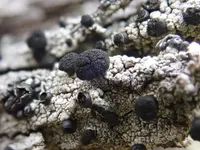
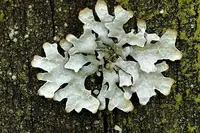
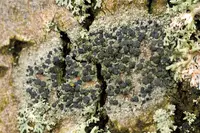
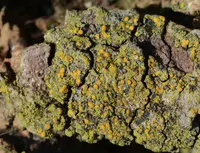
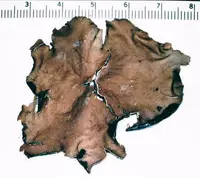
Navel lichen (Umbilicaria mammulata) is a large, leaf-like lichen that grows as flat, rounded lobes attached at a central point, resembling a shallow cup or shield. It is not a true plant but a partnership between a fungus and an alga that live together as one organism.

This species typically occurs on exposed, acidic rock outcrops in cool, clean-air environments, especially in forests and mountainous regions of North America. It grows slowly and is sensitive to air pollution, which makes it harder to keep in typical home conditions.

Because it relies on very stable humidity, clean air, and undisturbed rock surfaces, most people find it challenging to care for navel lichen indoors or in gardens.

Main Plant Requirements

Care Difficulty

Hard Care

Light Preference

Partial Shade

Water Requirements

Low Water

Temperature Preference

Cold Hardy

Hardiness Zone

3–7

Soil Texture

Rocky

Soil pH

Acidic (5.5–6.5)

Soil Drainage

Well-drained

Fertilization

Minimal (feed rarely)

Get Personalized Care Plan

Scan your plant to receive care tips personalized for your specific plant

Available on iOS and Android

How to Care for the navel lichen

This rock-dwelling lichen prefers bright, cool conditions with limited direct sun exposure.

  • Provide mostly bright, indirect light or dappled shade; 1–3 hours of gentle morning sun is usually tolerated, while strong midday and afternoon sun often scorches the thallus surface.
  • Choose north- or east-facing rock outcrops or cliffs where surrounding trees or terrain cast light shade for much of the day, mimicking natural forest-edge conditions.
  • In summer, protect navel lichen from prolonged full sun, especially during heat waves; in cooler seasons, slightly more direct light is acceptable if temperatures remain low.

Umbilicaria mammulata relies on natural wet–dry cycles rather than frequent, heavy watering.

  • If cultivated, mist or lightly wet the rock only when the lichen feels crisp-dry, allowing it to fully dry between soakings rather than staying constantly damp.
  • Use sharply drained rock crevices or very gritty substrate so water runs off within minutes; standing moisture around the thallus encourages rot and algal overgrowth.
  • Reduce watering in cool seasons, relying mainly on rainfall; signs of overwatering include soft, slimy patches, while extreme dryness shows as prolonged brittleness that does not rehydrate after a light wetting.

This species is adapted to cool to moderately warm climates with pronounced seasonal shifts.

  • Target an active growth range around 40–70°F (4–21°C); metabolic activity often slows in hotter or very cold conditions but resumes when temperatures return to this band.
  • Tolerates winter cold well below 32°F (0°C) on exposed rock, but repeated freeze–thaw cycles combined with ice loading can physically damage thalli on unstable substrates.
  • In summer, extended exposure above 80–85°F (27–29°C) combined with intense sun can desiccate and bleach tissue, so favor shaded, ventilated rock faces that stay cooler than surrounding air.

This lichen needs consistently moist, humid air to stay hydrated and photosynthetically active.

  • Aim for 70–100% humidity, mimicking the damp rock faces where navel lichen naturally grows.
  • Crisping, curling, or brittle thalli indicate humidity stress and prolonged desiccation.
  • Increase humidity by misting exposed surfaces frequently and placing the substrate in a shaded, sheltered, low-airflow location.

This rock-dwelling lichen does not use soil in the usual sense but benefits from a carefully chosen mineral substrate.

  • Use a shallow tray filled with coarse, sterile rock fragments or slabs, such as granite or sandstone, rather than organic-rich potting mixes.
  • Ensure maximal drainage so water runs off quickly; any standing water around the lichen base encourages decay and algal overgrowth.
  • Keep the substrate mineral and slightly acidic to neutral, around pH 5.5–7, avoiding added fertilizers or compost that disrupt the fungal–algal partnership.
  • Improve aeration by spacing rock pieces, allowing air gaps and rapid surface drying between mistings for stable Umbilicaria mammulata growth.

This species can be kept in containers only as a mounted, display substrate rather than a rooted potted plant.

  • Choose a wide, shallow tray to hold rock pieces securely so air can circulate over the lichen surface while remaining stable.
  • Drill or use existing drainage openings so rinse water exits immediately, preventing water from pooling under the rocks.
  • Select heavier ceramic or stone trays outdoors to resist tipping and maintain a cool, stable microclimate around the mounted lichen.

Umbilicaria mammulata, a rock-dwelling lichen, gains nutrients from rain, dust, and its fungal-algal partnership, so it does not need added fertilizer.

Umbilicaria mammulata needs almost no pruning, since each thallus grows slowly and naturally maintains its form.

  • Limit intervention to gently removing loose, dead, or crumbling lobes by hand if appearance matters.
  • Carry out any cleaning in dry weather to avoid tearing hydrated tissue, which is softer and more fragile.
  • Avoid cutting into firmly attached, healthy tissue, since damage can slow recovery or cause detachment.

This lichen naturally anchors to stable rock and is not suited to typical pot culture, so handling focuses on careful relocation rather than true repotting.

  • Transplant only if a host rock must be moved; avoid frequent disturbance because attachment structures are delicate.
  • Choose cool, moist seasons, such as early spring or fall, to limit desiccation stress during transfer.
  • Move intact rock pieces with the lichen still attached instead of peeling thalli from the surface.
  • After relocation, place the rock in similar light and moisture conditions and avoid touching the thalli until reattachment stabilizes.

Propagation of Umbilicaria mammulata is slow and specialized, so it is rarely attempted by home growers and best left to natural spread.

As a native, cold-hardy lichen, navel lichen generally needs no special winter care in outdoor settings across its natural range.

Care Tips

Mimic rock substrate

Attach thalli to rough, stable rock slabs with loose ties or mesh in outdoor culture so they can naturally adhere over time rather than trying to root them in soil or organic media.

Provide strong air movement

Position colonies where there is steady, gentle airflow, such as an open balcony or a shaded, well-ventilated rock wall, to reduce prolonged surface wetness and discourage fungal pathogens.

Use rainwater rinses

Periodically rinse the lichen with collected rainwater or low-mineral water during dry spells to wash off dust and pollutants that can block light and slow photosynthesis.

Limit handling contact

Handle the thalli only by the rock they are attached to, avoiding bending or flexing the lobes, since repeated handling can break attachment points and slow regrowth.

Seasonal moisture adjustment

In hot, dry summers, shade the rock and provide brief, intermittent misting sessions rather than heavy soaking to keep hydration cycles closer to natural patterns when growing navel lichen.

Common Pests and Diseases

Air pollution damage

Symptoms include bleaching, browning, or complete disappearance of thallus patches in areas exposed to vehicle exhaust, industrial fumes, or wood-smoke. This damage develops slowly and is often most visible on margins and upper surfaces of the lichen.

Solution

Reduce or remove the lichen from polluted locations by moving collected rock slabs to cleaner air, away from roads, chimneys, and fire pits. Long-term recovery depends on cleaner air and stable moisture; avoid additional stress such as heavy handling, scrubbing, or frequent drying and wetting cycles.

Desiccation stress

This condition appears as brittle, curled, and fragmenting lobes that fail to fully rehydrate after rain or misting. Over time, sections remain dull and lifeless instead of becoming flexible and slightly glossy when moist.

Solution

Maintain a more stable moisture regime by providing regular gentle misting when air is very dry (below about 30–40% relative humidity) and avoiding intense direct sun that overheats rock surfaces. If keeping material in a tray or outdoor display, place it in bright shade, protect it from hot reflective surfaces, and allow complete but gradual drying between natural wetting events.

Nutrient enrichment

This problem shows as overgrowth of algae, moss, or weedy crusts smothering the lichen surface, often linked to bird droppings, fertilizer drift, or runoff. Affected thalli may thin, lose color, and recede where competitors dominate.

Solution

Limit nutrient inputs by keeping fertilizers, compost teas, and lawn products away from rocks carrying navel lichen, and by discouraging heavy bird perching above them. Gently remove encroaching mosses or algae with soft tweezers or a soft brush while the rock is slightly damp, taking care not to scrape the lichen surface; over time, low-nutrient, well-drained conditions favor Umbilicaria mammulata care instructions.

Lichen-feeding snails

These animals leave irregular rasped patches and small holes in the thallus, especially in cool, damp conditions. This pest may also leave slime trails on nearby rock surfaces.

Solution

Hand-pick snails at dusk or after rain and relocate them away from lichen-bearing rocks, and reduce nearby hiding spots such as dense ground litter and boards. If damage is persistent in a display or garden setting, use physical barriers like copper tape around trays or supports while keeping conditions moderately dry between natural wet periods to make the area less attractive.

Overgrowth by mosses

This overgrowth gradually shades and physically lifts lobes from the rock, eventually leading to thinning and death of the central parts of the lichen patch. Symptoms include intact but shrinking lichen surrounded or covered by vigorous, cushiony moss.

Solution

Carefully tease away moss from around the attachment point (umbilicus) and lobe edges with fine tweezers, ideally when both moss and lichen are slightly moist and flexible. To prevent recurrence, keep the rock in a position with good air movement and moderate moisture where surfaces dry between rains, and avoid adding extra organic debris that encourages moss establishment.

Interesting Facts

Largest foliose lichen

This species is considered one of the largest foliose (leaf-like) lichens in North America, with single thalli often reaching 30–60 cm across when fully expanded after rain.

Preference for acidic cliffs

It grows almost exclusively on large, exposed, acidic rock faces such as granite or sandstone cliffs and outcrops, often in relatively undisturbed, mature forest landscapes.

Moisture-driven shape change

The thallus is stiff, gray to brown, and tightly curled when dry but becomes flexible, darker, and broadly flattened when wet, a reversible change that helps protect its photosynthetic partner during drought.

Botan icon

Did you know?

Umbilicaria mammulata is highly sensitive to airborne pollutants such as sulfur dioxide and heavy metals, so its presence on rock faces is often used by lichenologists as an indicator of relatively clean, unpolluted air in a region.

FAQs about navel lichen

Growth is very slow. Thalli usually expand only a few millimeters per year, even in ideal conditions on stable, clean rock surfaces. Disturbance, air pollution, or frequent wet–dry stress can reduce this rate even further.

Grow Healthy Plants with Botan Care

Keep your plants happy and healthy with plant identification, disease detection, and easy care guidance.

Botan plant care app — identify plants on mobile

Explore More Plants