Frosted Rock Tripe Care (Umbilicaria americana)

Frosted Rock Tripe

About Frosted Rock Tripe

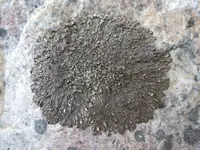
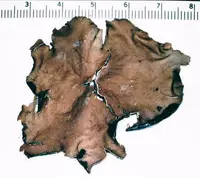
Frosted rock tripe (Umbilicaria americana) is a lichen, a partnership between a fungus and algae, rather than a typical leafy plant. It forms flat, rounded, gray to dark brown patches with a frosted or powdery surface, usually attached at a single central point.

In nature, it grows on exposed rocks in cool, clean environments, especially in northern forests and mountainous regions of North America. It is slow-growing and sensitive to air pollution and handling, which makes it challenging to cultivate.

Those who try to care for Frosted Rock Tripe usually provide cool, moist air, indirect light, and a stable rock surface rather than soil.

Main Plant Requirements

Care Difficulty

Hard Care

Light Preference

Partial Shade

Water Requirements

Low Water

Temperature Preference

Cold Hardy

Hardiness Zone

3–7

Soil Texture

Rocky

Soil pH

Acidic (5.5–6.5)

Soil Drainage

Well-drained

Fertilization

Minimal (feed rarely)

Get Personalized Care Plan

Scan your plant to receive care tips personalized for your specific plant

Available on iOS and Android

How to Care for the Frosted Rock Tripe

This lichen prefers cool, bright, and mostly shaded conditions on rock surfaces in its native habitats.

  • Provide bright shade or dappled light, such as north-facing exposures or sites receiving only 1–2 hours of gentle early-morning sun.
  • Avoid strong midday and afternoon sun; more than 2–3 hours of direct high-intensity light can scorch Frosted Rock Tripe and dry it beyond recovery.
  • In summer, shield from reflected heat off rocks; in winter, exposure is less critical, but prolonged deep shade can slow growth.

This rock-dwelling lichen relies on intermittent moisture rather than constant wetness.

  • Allow rock surfaces and surrounding substrate to dry fully between wetting events, then moisten thoroughly using rainfall, misting, or gentle soaking.
  • Reduce wetting frequency in cool or overcast seasons; increase brief misting during hot, dry spells if tissue becomes crisp and remains brittle after hydration attempts.
  • Watch for soft, slimy patches or persistent green algae films as signs of overwatering, and pale, brittle, fragmenting thalli as common indicators of extended drought stress in Umbilicaria americana.

This species is cold-hardy and adapted to wide temperature swings on exposed rock faces.

  • Optimal active growth usually occurs around 40–70°F (4–21°C), especially in cool, moist conditions with frequent natural wetting and drying cycles.
  • Tolerates winter lows well below 0°F (-18°C) once established, surviving freezing and thawing, but sudden warm spells followed by rapid refreezing can damage hydrated tissue.
  • Handles summer highs up to about 80–85°F (27–29°C) if shaded and intermittently moistened; extended exposure above 90°F (32°C) on sunlit rock can cause desiccation and tissue death.

This lichen prefers cool, moist air and reacts quickly to very dry conditions.

  • Aim for 50–80% humidity, mimicking damp rock faces where Frosted Rock Tripe naturally grows.
  • Crisping, curling, or brittle, pale thalli indicate chronic low humidity stress.
  • Increase humidity by placing containers outdoors in shaded, wind-sheltered spots or near consistently damp hardscape rather than using misting.

This species is not a true soil-rooted plant but can be mounted or lightly anchored on a mineral substrate that mimics bare rock.

  • Use a very coarse, mineral-based mix such as 70–90% grit, lava rock, or crushed granite with 10–30% sifted leaf litter or fine bark.
  • Ensure extremely rapid drainage; water must run through in seconds and leave the surface almost dry shortly after.
  • Keep pH slightly acidic to neutral (pH 5.5–7.0), similar to natural rock surfaces where Umbilicaria americana occurs.
  • Avoid dense, peat-heavy, loamy, or water-retentive mixes that stay wet, as these promote decay and algae overgrowth.

This lichen can be grown in shallow containers if they are set up to imitate a stable, exposed rock surface.

  • Use a wide, shallow, heavy container to keep the rock slab or mineral substrate stable against wind and accidental bumps.
  • Fill only the bottom with very coarse drainage material so the upper surface stays fast-drying while the pot remains weighted.
  • Position the container with a slight tilt to shed water quickly off the lichen surface, preventing prolonged wetting after rain or irrigation.

Umbilicaria americana is a lichen adapted to nutrient-poor rock and usually does not need fertilization in cultivation.

Umbilicaria americana needs almost no pruning, since it grows slowly and forms natural, even thalli on rock surfaces.

This lichen is normally grown attached to rock, so focus on careful transplanting rather than frequent repotting.

  • Transplant only when necessary, such as when rock pieces crumble or the display needs rearranging.
  • Choose cool, overcast conditions or early evening to limit desiccation stress during handling.
  • Lift thalli with a thin blade, keeping attached rock fragments intact wherever possible.
  • Place onto a new, clean rock with similar texture and exposure, then mist lightly to settle it.

Propagation of Umbilicaria americana is slow and specialized, so it is rarely attempted outside research or conservation settings.

Frosted Rock Tripe is very cold hardy and typically needs no special winter care outdoors in its normal climate range.

Care Tips

Use rock baskets

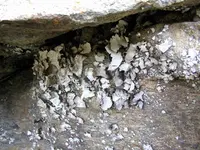
To establish this lichen in cultivation, wire shallow mesh baskets filled with rough, non-calcareous rock fragments and place them in a cool, shaded, rain-exposed spot so the thalli can anchor naturally to the stone surfaces.

Mimic cliff faces

Mount pieces on vertical or steeply tilted rock slabs rather than flat trays, since better drainage and brief wetting periods more closely match natural cliff conditions and reduce rot or algal overgrowth.

Control surface competitors

Periodically rinse rocks with plain rainwater and gently brush away mosses, algae, and liverworts that start covering the thalli, as these fast growers can shade and smother the lichen over time.

Optimize airflow

Set the rocks on open racks or spaced bricks so air can circulate freely around the thalli, helping surfaces dry quickly after rain or misting and limiting fungal issues when caring for Frosted Rock Tripe.

Seasonal moisture timing

In hot, dry periods, time misting or brief soaking to early morning or late evening so the thalli hydrate and photosynthesize during cooler hours but still return to a dry, dormant state between waterings.

Common Pests and Diseases

Air pollution injury

Symptoms include bleaching, browning, or disappearance of thallus patches in areas exposed to vehicle exhaust or industrial emissions. This disease reflects the extreme sensitivity of the lichen to sulfur dioxide and other airborne pollutants.

Solution

Management relies on reducing exposure to polluted air by avoiding collection or placement near busy roads, chimneys, or industrial areas, and by providing the cleanest possible air circulation. In cultivation or display, relocate affected rocks to sites with cleaner air and stable, cool, humid conditions, as damaged thalli will not recover but surrounding healthy tissue can slowly recolonize the surface.

Desiccation damage

Symptoms include crisp, brittle thalli that stay pale and do not regain flexibility after wetting. This condition results from prolonged drying combined with high light and wind that exceed the lichen’s natural moisture cycles.

Solution

To manage this, move rocks with the lichen to a cooler, shaded, humid location that mimics natural cliff habitats, protecting them from hot afternoon sun and drying wind. Periodic gentle misting during dry spells can support recovery of still-living tissue, but any fully dead, flaking sections will not regenerate and should simply be left to erode naturally.

Nutrient enrichment stress

Symptoms include darkening, abnormal leathery texture, or gradual loss of thalli in areas exposed to fertilizer drift, road salt, or nutrient-rich runoff. This disease state reflects the lichen’s intolerance of elevated nitrogen and salts on its rock surface.

Solution

Management focuses on eliminating the nutrient source by avoiding fertilizer application, de-icing salts, or compost runoff near the rocks that host the lichen. After stopping the enrichment, gently rinse the rock surface with clean, non-chlorinated water during cool periods to dilute residues, and allow time for surviving thalli or nearby fragments to recolonize.

Lichenivorous mites

This pest causes fine surface pitting, frayed margins, and sometimes powdery debris where mites feed on the lichen tissues. These arthropods are typically small and hidden in crevices but can weaken thalli over time under dry indoor or display conditions.

Solution

To manage this issue, increase ambient humidity and provide regular, gentle misting, which discourages mites and supports lichen health, and rinse the rock surface lightly under cool water to remove debris and some mites mechanically. If populations remain high in a display setting, isolate the affected specimen and use a soft brush under running water to dislodge mites rather than chemical treatments, which often harm the lichen more than the pest.

Overgrowth by competing mosses

Symptoms include moss tufts or green films gradually covering the lichen, shading the thallus and retaining excess moisture at its surface. This biological competition can slowly smother or displace the lichen from its rock substrate.

Solution

Control involves carefully peeling or teasing away moss patches with tweezers or a blunt tool, avoiding scraping or gouging the rock surface. After removal, adjust conditions so the rock dries a bit more between wet periods, for example by slightly increasing airflow or reducing constant splash, which favors the lichen over moss without creating harsh drying stress; these steps align with basic Umbilicaria americana care instructions in cultivation or educational displays.

Interesting Facts

Frosted upper surface

The upper surface of this lichen’s thallus often shows a pale, frosted or pruinose coating, which is a layer of tiny crystal-like particles that helps protect the algal partner from intense sunlight and drying.

Rock specialist habitat

This species grows almost exclusively on exposed, hard rock in cool, well-ventilated environments, anchoring tightly to the substrate with a central attachment point that gives it the typical “navel” appearance of rock tripe lichens.

Cold-tolerant physiology

It is adapted to survive long periods of freezing and desiccation, shutting down metabolic activity during dry or icy conditions and rapidly resuming photosynthesis when moisture and temperature become favorable.

Botan icon

Did you know?

Historically, some Indigenous peoples and early wilderness travelers in North America boiled this lichen extensively to remove bitterness and used it as an emergency food source when other options were scarce, although it was not considered a preferred or routine food.

FAQs about Frosted Rock Tripe

This lichen is technically edible and has been used as emergency food, but only after thorough soaking and boiling to reduce bitterness. Nutritional value is low, so it is not recommended as a regular food source.

Grow Healthy Plants with Botan Care

Keep your plants happy and healthy with plant identification, disease detection, and easy care guidance.

Botan plant care app — identify plants on mobile

Explore More Plants