Structured crown training
Select 3–5 strong primary branches while the plant is young and gently stake or tie them to create an open, vase-shaped crown that supports heavy fruit clusters and improves airflow.

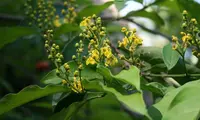
Bunchosia nitida, often called peanut butter fruit, is a small evergreen tree or large shrub grown for its dense foliage and colorful, edible fruits. It typically has glossy green leaves, small yellow flowers, and clusters of red, oval fruits that resemble cherries.
This species is native to tropical regions of Central and South America, where it grows in warm, humid conditions. In cultivation it suits frost-free gardens or protected containers and prefers bright light, regular moisture, and well-drained soil. Its moderate growth rate and relatively undemanding nature make it manageable for growers who want to learn how to care for Bunchosia nitida.

Care Difficulty
Moderate Care

Light Preference
Full Sun

Water Requirements
Regular Water

Temperature Preference
Tropical / Frost Sensitive

Hardiness Zone
10–11

Soil Texture
Loamy, Sandy, Organic-rich

Soil pH
Acidic (5.5–6.5), Slightly acidic (6.5–7.0)

Soil Drainage
Moist but well-drained

Fertilization
Light (every 4–6 weeks)
Scan your plant to receive care tips personalized for your specific plant
Available on iOS and Android
This tropical fruiting shrub prefers bright, warm conditions with protection from harsh midday sun.
This species performs best in evenly moist, well-drained soil that never stays soggy for long.
This plant thrives in warm, frost-free conditions typical of lowland tropics and subtropics.
This species prefers moderately humid air and reacts to very dry indoor conditions.
This plant prefers a loose, well-aerated, slightly acidic to neutral substrate.
This shrub is suitable for container growing when the pot is chosen to support its woody root system and canopy.
This subtropical fruit tree benefits from moderate feeding to support steady growth and fruiting.
Thoughtful pruning keeps Bunchosia nitida compact, healthy, and productive.
This species is often grown in the ground but can adapt to containers when transplanted carefully.
Bunchosia nitida is typically propagated from seed or semi-hardwood cuttings under warm conditions.
This subtropical tree dislikes hard frost and needs protection in cooler climates.

Plant Health Check
Not sure what's wrong with your plant? Check your plant's health inside the app.
This species is native to moist, lowland forests in parts of Central and South America, where it typically grows as an understory shrub or small tree in partial shade rather than full, exposed sun.
The small orange to red drupes contain a relatively oily, sweet pulp that attracts birds and other animals, which in turn disperse the seeds through their droppings.
Its leaves often show tiny glandular dots or specks, especially visible when backlit, which are secretory structures common in the Malpighiaceae and help in identifying the species from similar-looking shrubs.

In some of its native range, the attractive, bird-dispersed fruits have led to small-scale cultivation and incorporation into home gardens as a minor edible and ornamental species, even though it has never become a major commercial crop.
Poor flowering usually relates to inadequate light, nutrient imbalance, or pruning at the wrong time that removes flowering wood. Older, sun-exposed branches bloom best. Avoid heavy nitrogen fertilisers and major pruning just before the main flowering season.
Keep your plants happy and healthy with plant identification, disease detection, and easy care guidance.