Aiouea montana Care

Aiouea montana

About Aiouea montana

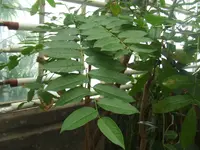
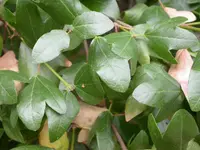
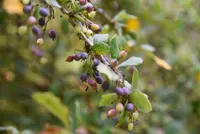
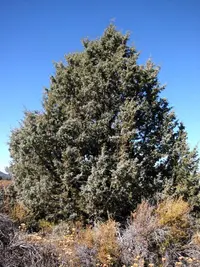
Aiouea montana is an evergreen tree or large shrub from the laurel family, typically found in montane forests of Central and South America. It has simple, aromatic leaves and a naturally branching, upright habit.

In its native habitat, this species grows in moist, cool to mild climates with consistent rainfall and well-drained, humus-rich soil. It is not a common ornamental, so information on how to care for Aiouea montana in home gardens is still limited.

Gardeners interested in growing this species should expect a plant that prefers partial light, regular moisture, and protection from extreme heat or drought, which can make it moderately challenging for beginners.

Main Plant Requirements

Care Difficulty

Moderate Care

Light Preference

Partial Shade

Water Requirements

Moderate Water

Temperature Preference

Warm Climate

Hardiness Zone

Unknown

Soil Texture

Loamy, Sandy, Organic-rich

Soil pH

Acidic (5.5–6.5)

Soil Drainage

Well-drained

Fertilization

Minimal (feed rarely)

Get Personalized Care Plan

Scan your plant to receive care tips personalized for your specific plant

Available on iOS and Android

How to Care for the Aiouea montana

This species prefers bright, gentle light similar to an open woodland edge.

  • Provide 4–6 hours of morning sun with light afternoon shade; dappled or filtered light under taller trees suits Aiouea montana well.
  • In hot climates, shield from harsh sun between 11 a.m. and 4 p.m. to prevent leaf scorch and excessive moisture loss.
  • In cooler seasons or cloudy regions, allow more direct sun, but monitor leaves; pale, sparse growth suggests too little light, crisp brown patches suggest too much.

Watering should keep the soil evenly moist but never saturated.

  • Before watering, let the top 3–5 cm of soil dry; check by hand rather than by fixed schedules, as rainfall and soil type strongly affect needs.
  • Use well‑drained soil rich in organic matter so water moves through within a few seconds; persistent puddling or sour odor indicates poor drainage and risk of root rot.
  • In warm, dry periods, expect more frequent watering, while in cool or rainy seasons reduce frequency; wilting with dry soil suggests underwatering, yellowing soft leaves suggest overwatering.

This plant is adapted to mild, frost‑free to very light frost conditions.

  • Aim for active growth in 65–80°F (18–27°C); stable, moderate temperatures support stronger roots and foliage.
  • Protect from hard frost; short dips to about 28–30°F (-2 to -1°C) may be tolerated, but repeated freezing damages young shoots and cambium tissue just under the bark.
  • In hot regions, it copes with brief highs near 90–95°F (32–35°C) if soil moisture is maintained and the site has afternoon shade, especially during dry, windy periods.

This species prefers moderate to high humidity and reacts if air stays very dry.

  • Aim for 50–70% humidity, as very dry indoor air can slow growth and crisp leaf edges.
  • Aiouea montana tolerates brief dips to 35–40%, but prolonged low humidity may cause leaf curl and tip browning.
  • Increase humidity with a pebble tray, grouped plants, or a nearby humidifier rather than frequent misting.

Provide loose, well-drained, organic-rich soil to support steady growth and root health.

  • Use a loamy mix with high organic matter, such as 2 parts composted bark or leaf mold, 1 part coarse sand, and 1 part perlite.
  • Ensure rapid drainage so water does not sit around the roots; avoid heavy clay that stays wet for more than 1 day after watering.
  • Target a slightly acidic to neutral pH around 6.0–7.0, which supports nutrient availability for Aiouea montana.
  • Improve aeration by incorporating chunky materials like pine bark fines or pumice and avoid compacted, fine-textured mixes.

This species can be grown in containers if the pot is chosen to support its woody root system and eventual size.

  • Select a deep, heavy pot to anchor the woody frame and reduce tipping in wind or on balconies.
  • Leave a 3–5 cm gap between soil surface and rim so thorough, slow watering does not overflow the container.
  • Use a free-draining mix and elevate the pot on feet or bricks so drainage holes never sit in collected runoff.

This species grows in relatively low-nutrient forest soils and usually needs only light, targeted feeding in cultivation.

  • Apply a balanced slow-release fertilizer (around 10-10-10) at half strength once in early spring for Aiouea montana in active growth.
  • For container plants, repeat light feeding every 8–10 weeks during the growing season, monitoring foliage color and vigor.
  • Avoid fertilizing in late fall and winter, when growth slows, to prevent weak, frost-sensitive shoots.
  • Supplement with a thin layer of compost over the root zone annually instead of heavy synthetic fertilization.

Pruning is mainly used to maintain structure, remove damaged wood, and keep this tree manageable in cultivated landscapes.

  • Carry out light structural pruning in late winter or very early spring before new growth starts.
  • Remove dead, diseased, crossing, or inward-growing branches to improve airflow and reduce fungal problems.
  • Shorten or thin crowded shoots to guide the canopy shape and maintain safe clearance from paths or structures.
  • Use clean, sharp bypass pruners or a pruning saw, making smooth cuts just outside the branch collar.

This species is typically grown in the ground; young container plants or nursery stock benefit from careful transplanting to reduce stress.

  • Transplant in late winter to early spring, when soil is workable and before vigorous new growth begins.
  • Look for roots circling the pot, slow growth, or quick drying soil as signs a container-grown plant needs a larger space.
  • Shift to a hole or container 1–2 sizes larger, loosening circling roots gently without tearing major root bundles.
  • Water deeply after planting, mulch the root zone 5–8 cm, and shade lightly for 1–2 weeks to limit transplant shock.

Propagation of Aiouea montana is usually done by seed and requires patience and controlled conditions.

  • Collect fully ripe fruits, clean off pulp, and sow fresh seed for better germination.
  • Sow in a moist, well-drained, sterile mix, keeping temperature around 70–77°F and providing bright, indirect light.
  • Use a shallow sowing depth, maintain consistent moisture but avoid waterlogging, and provide good air circulation.
  • Semi-ripe cuttings may root under high humidity with rooting hormone, bottom heat, and a well-aerated medium, though success rates vary.

This tree is moderately cold tolerant in suitable climates and usually requires only basic winter preparation outdoors.

  • In regions near its hardiness limit, add a 5–8 cm mulch layer around the root zone, keeping mulch off the trunk.
  • Young or newly planted trees benefit from burlap windbreaks to reduce desiccation and stem damage during freezes.
  • Move container-grown plants to a sheltered, frost-free area with bright light when temperatures drop below their tolerance range.

Care Tips

Early structural pruning

Shape young plants with light heading cuts on vigorous shoots to build a strong, open framework that can support mature canopy weight and allow air and light to reach inner branches.

Wind-hardening routine

If planting in a breezy site, gradually expose container-grown plants to stronger wind over 10–14 days to reduce transplant shock and encourage sturdier stems and root anchorage.

Root-zone mulching

Apply a 5–8 cm layer of arborist wood chips or leaf mold over the root zone, keeping it 5–8 cm away from the trunk, to stabilize soil moisture, suppress weeds, and protect fine feeder roots.

Targeted pest scouting

Inspect the undersides of leaves and young shoot tips every 2–4 weeks for scale insects or mites, using a hand lens if possible, so interventions such as horticultural oil sprays can be timed before populations build up.

Seasonal nutrient check

In late winter or early spring, perform a basic soil test for pH and nutrient levels and adjust with appropriate mineral amendments only if values fall outside the recommended range for growing Aiouea montana.

Common Pests and Diseases

Leaf miner larvae

This pest creates winding, pale tunnels inside young leaves as larvae feed between the leaf surfaces, sometimes causing distorted growth on tender flushes.

Solution

Remove and destroy heavily mined leaves to reduce the larval population, and encourage natural predators by avoiding broad-spectrum insecticides; in nursery or young field plants, use a fine horticultural oil or spinosad spray directed at new growth, repeating as needed according to label directions as part of Aiouea montana care instructions.

Scale insects

These insects appear as small, fixed bumps along stems and leaf midribs, and their sap feeding can cause yellowing foliage and sticky honeydew that supports sooty mold growth.

Solution

Gently scrape or wipe off visible scale with a cloth or soft brush dipped in soapy water, prune heavily infested twigs, and follow with targeted applications of horticultural oil, making sure to coat stems and leaf undersides while maintaining good plant vigor through proper watering and nutrition.

Leaf spot

This disease causes small, dark, sometimes water-soaked lesions on leaves that may expand, coalesce, and lead to premature leaf drop in humid, shaded conditions.

Solution

Prune and dispose of affected leaves, improve air circulation around the canopy by selective thinning, avoid wetting foliage when irrigating, and if outbreaks persist in high-value plants, use an appropriate copper-based or other labeled fungicide applied preventively during prolonged wet periods.

Anthracnose

This disease produces irregular brown to black lesions along leaf margins and young shoots, often associated with extended warm, wet weather in forest or plantation settings.

Solution

Remove and discard infected shoots and fallen leaves, avoid overhead irrigation, and in areas with a history of anthracnose problems, apply a labeled protectant fungicide at the start of the rainy season, repeating according to local recommendations and product directions.

Interesting Facts

Lauraceae forest component

This species belongs to the laurel family (Lauraceae) and occurs as a small to medium tree in montane forests of Central and South America, where it forms part of the evergreen canopy and subcanopy layers.

Specialized floral visitors

Its small, inconspicuous flowers are adapted for pollination by insects that visit for nectar and pollen, a typical trait of Lauraceae, which rely on scent and accessible floral structures rather than bright petals.

Aromatic foliage chemistry

Like many laurel relatives, the leaves contain essential oils produced in specialized cells, which influence leaf scent and likely play roles in herbivore deterrence and defense against pathogens.

FAQs about Aiouea montana

This species grows at a moderate rate. In suitable outdoor conditions it typically adds 20–40 cm of height per year, with young plants establishing more quickly and older trees slowing as they approach mature size.

Grow Healthy Plants with Botan Care

Keep your plants happy and healthy with plant identification, disease detection, and easy care guidance.

Botan plant care app — identify plants on mobile

Explore More Plants