Cretan maple Care (Acer sempervirens)

Cretan maple

About Cretan maple

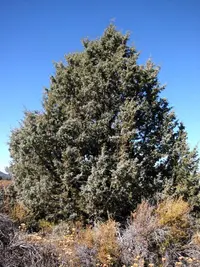
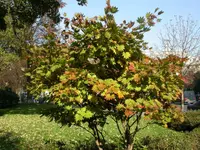
Cretan maple, Acer sempervirens, is a small evergreen to semi-evergreen maple native to rocky slopes and coastal hills of Crete and parts of the eastern Mediterranean. It often grows as a multi-stemmed shrub or small tree with compact, rounded form.

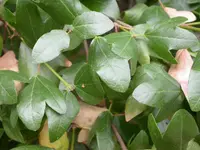
Leaves are small, often leathery, and sometimes lobed, giving a neat, structured look that suits dry, sunny landscapes. Bark becomes rough and characterful with age.

This species is adapted to heat, wind, and relatively poor, well-drained soils, so it can be easier to manage than many more delicate maples. It prefers full sun to light shade and moderate moisture. Understanding these natural conditions helps owners know how to care for Cretan maple in gardens or large containers.

Main Plant Requirements

Care Difficulty

Moderate Care

Light Preference

Full Sun

Water Requirements

Moderate Water

Temperature Preference

Warm Climate

Hardiness Zone

7–9

Soil Texture

Sandy, Loamy, Rocky

Soil pH

Slightly acidic (6.5–7.0), Slightly alkaline (7.0–7.5)

Soil Drainage

Well-drained

Fertilization

Minimal (feed rarely)

Get Personalized Care Plan

Scan your plant to receive care tips personalized for your specific plant

Available on iOS and Android

How to Care for the Cretan maple

This Mediterranean maple thrives in bright outdoor conditions with balanced sun exposure.

  • Provide 6–8 hours of sun daily, ideally with morning sun and light afternoon shade in hot summers.
  • Tolerates light to medium partial shade, but Cretan maple develops denser foliage and better autumn color in more sun.
  • In hot, exposed sites, protect from intense afternoon sun to reduce leaf scorch, and avoid deep shade, which causes sparse growth and weak shoots.

This drought-tolerant species prefers infrequent, deep watering once established.

  • Let the top 5–8 cm of soil dry before watering, then soak the root zone thoroughly rather than giving small, frequent amounts.
  • Use well-drained, gritty or loamy soil to prevent waterlogging; persistent wetness leads to root rot and yellowing leaves in Acer sempervirens.
  • In the first 1–2 growing seasons, water during dry spells; later, watch for dull, drooping leaves as a cue to water, especially in prolonged heat.

This evergreen maple is adapted to warm, dry summers and mild to cool winters.

  • Optimal growth occurs around 65–80°F (18–27°C), with steady performance in typical Mediterranean-like climates.
  • Mature trees tolerate down to about 10–15°F (-12 to -9°C); young plants benefit from protection during hard frost or drying winter winds.
  • Handles dry summer heat up to about 95°F (35°C) if soil moisture is adequate, but prolonged extremes above this can stress foliage and slow growth.

This species tolerates a wide humidity range and rarely needs special humidity management in typical home or garden conditions.

Acer sempervirens prefers mineral, well-structured soil that mimics its rocky Mediterranean habitats.

  • Use a gritty, loamy mix with 40–60% coarse sand or fine gravel to keep texture open and roots oxygenated.
  • Incorporate a modest amount of stable organic matter, such as composted bark, but avoid peat-heavy or water-retentive mixes.
  • Maintain pH from 6.5–8.0; this maple handles slightly alkaline conditions often found in limestone-based substrates.
  • Avoid compacted clay and any mix that stays wet for more than 24 hours, which encourages root rot and weak growth.

This maple can be grown in containers for many years if the setup focuses on root health and stability.

  • Choose a tall, heavy container to anchor its upright, sometimes wind-exposed canopy and reduce tipping risk outdoors.
  • Select a mineral-rich, sharply draining mix so water passes through quickly while still providing mechanical support for woody roots.
  • Use light-colored or thick-walled pots in hot climates to limit root-zone overheating on exposed patios or balconies.

This Mediterranean maple grows on poor soils and usually needs only light feeding in cultivation.

  • Use a balanced slow-release fertilizer (around 10-10-10) or a thin layer of compost in early spring for Acer sempervirens.
  • Apply once at the start of the growing season; a second light dose in midsummer is enough in containers or very poor soil.
  • Reduce or stop feeding in late fall and winter, when growth slows and nutrient demand drops.
  • For liquid feeds, use at half the label strength to avoid excessive, weak growth.

Pruning Acer sempervirens is mainly structural and corrective rather than heavy or frequent.

  • Time any pruning for late winter to very early spring, before active growth begins.
  • Remove dead, diseased, or crossing branches first, cutting back to healthy wood with clean bypass pruners or a sharp saw.
  • Thin crowded interior shoots to improve light and airflow while maintaining the tree’s natural rounded form.
  • Limit heading cuts; focus on selective thinning to keep a balanced canopy and strong framework.

This species is more often planted in the ground, but young or container-grown plants sometimes need transplanting.

  • Look for roots circling the container drainage holes, water running straight through, or noticeably slowed growth as signs it needs a larger space.
  • Plan transplanting or any up-potting for early spring or early fall, avoiding heat waves or hard frost periods.
  • Expect container plants to need shifting into a slightly larger pot every 2–3 years, using a sharply draining, gritty mix.
  • Water thoroughly before and after moving, disturb roots as little as possible, and keep the tree shaded and evenly moist for 1–2 weeks to reduce stress.

Acer sempervirens can be propagated, but success depends on correct timing and stable conditions.

  • Sow fresh seeds in fall outdoors or cold-stratify for 2–3 months at 34–41°F, then germinate in a well-drained, sandy mix.
  • Take semi-ripe cuttings in late summer, use rooting hormone, and keep them in high humidity with bright, indirect light.
  • Layering low, flexible shoots in spring, by pegging a wounded section under soil, often gives higher success than cuttings.
  • Keep all propagules just moist, not wet, and protect young plants from strong sun and wind until well established.

This evergreen maple is relatively cold hardy in mild climates and usually needs minimal winter care once established.

  • In regions with freezing winters, apply a 5–8 cm mulch layer over the root zone, keeping it away from the trunk.
  • Young or container plants benefit from shelter against drying winds and severe frost, such as a cold frame or unheated porch.
  • Move potted specimens to a frost-free but cool, bright spot if temperatures fall well below their known hardiness range.

Care Tips

Wind hardening

If grown in a sheltered spot, gradually expose young plants to stronger wind over 2–3 weeks to build sturdier wood and reduce the risk of limb breakage once planted in more exposed conditions.

Multi-stem shaping

For a shrubby form, tip-prune competing leaders on young plants and lightly shorten vigorous shoots in late winter to encourage a dense, multi-stemmed framework rather than a tall, sparse tree.

Calcareous-site preparation

In naturally alkaline, stony soils, keep planting holes wide but shallow and mix in coarse mineral grit rather than rich organic matter to match this species’ native limestone habitat and improve rooting.

Drought training

Once established, water more deeply but less often during dry spells so roots grow down into cooler subsoil, which improves long-term drought tolerance and reduces stress when growing Cretan maple in hotter regions.

Mediterranean underplanting

Use low, sun-tolerant groundcovers such as thyme or sedum around the dripline to shade the soil surface, reduce evaporation, and protect the relatively shallow feeder roots from temperature extremes.

Common Pests and Diseases

Tar spot

This disease causes round, black, tar-like spots on the upper leaf surface, often with a yellow halo, and can lead to early leaf drop in humid conditions.

Solution

Collect and dispose of fallen leaves in autumn to remove the fungal spores, avoid overhead watering that keeps foliage wet, and improve air circulation around the tree; in high-value plantings, a registered fungicide spray at budbreak and as leaves expand may be used if the problem is severe and recurrent.

Verticillium wilt

This disease leads to sudden wilting and dieback of individual branches, often on one side of the tree, with brown discoloration sometimes visible in the sapwood just under the bark.

Solution

Prune out and destroy affected branches back to healthy wood, avoid root disturbance and overwatering, and do not replant other susceptible maples in the same spot; provide consistent but moderate soil moisture and balanced nutrition to support remaining healthy tissue, as there is no curative treatment for this vascular fungus.

Maple aphids

These insects cluster on young shoots and leaf undersides, sucking sap and causing leaf curling, sticky honeydew, and sometimes sooty mold growth on the foliage below.

Solution

Spray colonies off with a firm stream of water, encourage natural predators such as lady beetles, and, if needed, use an insecticidal soap or light horticultural oil thoroughly on leaf undersides, repeating at 5–7 day intervals until populations are reduced.

Scale insects

These insects appear as small, fixed bumps along stems and leaf veins, weakening the tree over time and often causing yellowing foliage and sticky honeydew deposits.

Solution

For light infestations, gently scrape or prune out affected twigs, then treat remaining infested areas with horticultural oil during the dormant season and again on crawler stages in spring, ensuring thorough coverage of bark and undersides of branches.

Leaf scorch

Symptoms include browning and crisping of leaf edges, often combined with a pale or yellowed area between veins, especially in hot, dry, or windy sites or in containers with irregular watering.

Solution

Maintain even soil moisture without waterlogging, add a 5–8 cm organic mulch layer over the root zone, reduce exposure to hot, drying winds if possible, and avoid high-salt fertilizers that can stress the fine feeder roots involved in Acer sempervirens care.

Interesting Facts

Evergreen Mediterranean maple

Unlike most maples, Acer sempervirens is functionally evergreen in its native eastern Mediterranean range, often retaining leaves for several years in mild climates instead of dropping them annually.

Extreme drought tolerance

This species naturally grows on dry, rocky limestone slopes and cliffs, forming deep root systems and thick, small leaves that limit water loss and allow survival under intense summer drought.

Naturally dwarf and multi‑stemmed

In exposed coastal and mountain habitats, it often develops as a low, multi‑stemmed shrub rather than a tall tree, shaped by strong winds and limited soil depth.

Botan icon

Did you know?

Acer sempervirens is considered one of the very few truly Mediterranean maples and is thought to have persisted in the region since pre-glacial times, making it an important relict species for understanding how broadleaf trees adapted to long, hot, dry summers.

FAQs about Cretan maple

This species is usually evergreen or semi-evergreen in mild climates, holding most foliage through winter. In colder areas it can behave more like a deciduous tree, shedding many leaves after hard frost and re-leafing in spring.

Grow Healthy Plants with Botan Care

Keep your plants happy and healthy with plant identification, disease detection, and easy care guidance.

Botan plant care app — identify plants on mobile

Explore More Plants