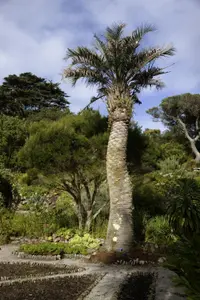
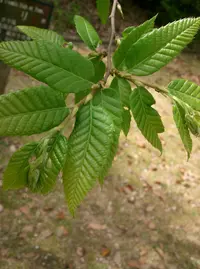
woman's tongue Care (Albizia lebbeck)

Also known as: lebbeck, Lebbeck Tree, Siris Tree
woman's tongue

About woman's tongue

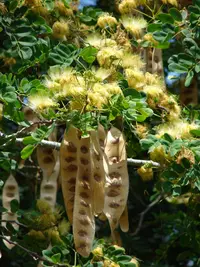
Woman's tongue, Albizia lebbeck, is a fast-growing deciduous tree from tropical and subtropical regions of Asia, often used as a shade or avenue tree. It typically develops a broad, spreading crown with fine, fern-like foliage and fragrant, cream-colored, powderpuff flowers followed by flat, rattling seed pods.

This species adapts to a wide range of soils and tolerates heat and short dry periods, which makes it relatively easy to establish in suitable climates. It generally prefers full sun, moderate moisture, and well-drained soil, and these traits guide how to care for woman's tongue in gardens or larger landscapes.

Main Plant Requirements

Care Difficulty

Easy Care

Light Preference

Full Sun

Water Requirements

Moderate Water

Temperature Preference

Tropical / Frost Sensitive

Hardiness Zone

10–12

Soil Texture

Sandy, Loamy, Clay

Soil pH

Slightly acidic (6.5–7.0), Slightly alkaline (7.0–7.5)

Soil Drainage

Well-drained

Fertilization

Minimal (feed rarely)

Get Personalized Care Plan

Scan your plant to receive care tips personalized for your specific plant

Available on iOS and Android

How to Care for the woman's tongue

Albizia lebbeck prefers full sun in warm climates but tolerates some light shade, especially when young.

  • Provide 6–8 hours of direct sun daily; morning sun with light afternoon shade helps prevent leaf scorch in very hot regions.
  • Young trees benefit from 2–4 hours of filtered light during the hottest part of the day, especially on exposed sites.
  • In dense shade flowering declines, growth becomes sparse, and woman's tongue may stretch toward brighter areas, indicating insufficient light.

This species prefers moderate, deep watering with time for the soil surface to dry slightly between soakings.

  • In the ground, water deeply when the top 3–5 cm of soil feels dry, aiming for moist but not saturated soil around the root zone.
  • During the first 2–3 growing seasons, increase frequency in hot, dry periods; reduce watering in cool or rainy weather to avoid root rot.
  • Signs of overwatering include yellowing leaves and soft new growth, while dry, curling leaves and slow shoot growth indicate the tree needs more water.

This heat-tolerant tree grows best in warm, frost-free to light-frost regions.

  • Optimal growth occurs around 70–95°F (21–35°C), where shoot and leaf development remain steady through the growing season.
  • The tree tolerates brief drops to about 28–30°F (-2 to -1°C), but repeated or lower frosts can damage young wood and new foliage.
  • Mature trees handle summer heat up to 105°F (41°C) if soil moisture is adequate, but prolonged cold below 32°F (0°C) can cause dieback.

This species tolerates a wide humidity range and usually does not need special humidity management outdoors.

  • Performs well at 30–60% humidity, typical of many outdoor and patio conditions.
  • Tolerates quite dry air once established, so humidity is rarely limiting when caring for woman's tongue in warm climates.
  • Watch for repeated leaf scorch or marginal browning in prolonged hot, very dry winds, which signals combined heat and moisture stress rather than low humidity alone.
  • In extreme dry heat, light overhead misting in early morning and a mulch layer around the root zone help reduce transpirational stress.

Albizia lebbeck prefers well-structured, free-draining soil that still retains moderate moisture.

  • Use a loamy or sandy-loam base with 20–30% compost to provide structure, organic matter, and steady nutrient release.
  • Aim for slightly acidic to neutral pH, around 6.0–7.5, where roots access nutrients efficiently without micronutrient lockout.
  • Improve drainage and aeration by blending coarse sand or fine grit and a small portion of perlite into heavy or clay-leaning ground.
  • Avoid waterlogged, compacted, or saline soils, which encourage root rot and nitrogen-fixing nodule decline and slow overall growth.

This species can be grown in large containers for a limited period, especially in warm climates or on patios.

  • Choose a deep, heavy container that resists tipping as the canopy becomes broad and slightly top-heavy in windy sites.
  • Use a fast-draining, gritty mix and raise the pot on feet or blocks to prevent drainage holes from sealing against the ground.
  • Position the container where roots are shaded and the rim is stable, such as against a wall or rail, to reduce substrate overheating in full sun.

This nitrogen-fixing tree usually needs modest feeding but responds to light, balanced nutrition in containers or poor soils.

  • Use a balanced slow-release fertilizer (around 10-10-10) or well-rotted compost for woman's tongue in early spring.
  • Feed container or young trees every 6–8 weeks during the growing season at half the label strength.
  • Avoid fertilizing in late fall and winter to prevent soft, frost-tender growth.
  • Water thoroughly after feeding to distribute nutrients and reduce salt buildup around the roots.

Thoughtful pruning keeps Albizia lebbeck structurally sound and maintains a safe, open canopy.

  • Carry out main pruning in late winter to early spring before active growth starts.
  • Remove dead, diseased, crossing, or low-hanging branches with clean, sharp bypass pruners or a pruning saw.
  • Thin congested inner branches to improve light penetration and air movement, which supports healthy growth and flowering.
  • Shape young trees with a clear central framework, avoiding heavy topping cuts that cause weak, crowded regrowth.

This fast-growing tree is usually field-planted, so transplanting timing and method matter more than container repotting.

  • Transplant young trees when roots begin circling the pot or growth slows, ideally in late winter to early spring.
  • Plan on stepping up containers only once every 1–2 years, as long-term pot culture is not ideal.
  • Water deeply the day before moving, handle the root ball gently, and keep as much soil around roots as possible.
  • After transplanting, irrigate thoroughly, apply 5–8 cm of mulch, and shade lightly for 1–2 weeks to limit transplant shock.

Propagation of this species is commonly done from seed, with cuttings used less often.

  • Collect ripe pods, remove seeds, and scarify them lightly with sandpaper or a brief hot-water soak.
  • Sow seeds in warm conditions around 70–80°F in a free-draining mix, keeping it just moist, not wet.
  • For semi-hardwood cuttings in late spring to summer, use rooting hormone and high humidity to improve success.
  • Provide bright, indirect light and avoid strong fertilizer until seedlings or cuttings are well rooted and growing steadily.

In mild, frost-free climates this tree needs little winter attention, but young or potted plants benefit from simple protection.

  • Albizia lebbeck is frost-sensitive when young and may suffer damage below about 28–30°F.
  • Apply a 5–8 cm mulch layer around the root zone in late fall, keeping it slightly away from the trunk.
  • Wrap young trunks with breathable frost cloth or burlap in exposed sites during cold snaps.
  • Move container-grown specimens into a bright, cool, frost-free space before hard freezes.

Care Tips

Wind-hardening saplings

Gradually expose young trees to moderate wind by reducing shelter over 2–3 weeks so they develop stronger trunks and root systems before planting in permanently exposed sites.

Root spread management

Install a root barrier 45–60 cm deep between the tree and hardscape or drainage lines in small gardens to reduce the risk of surface roots lifting paving or invading pipes as the tree matures.

Branch structure training

In the first 3–5 years, selectively retain 3–5 well-spaced main branches with wide crotch angles and remove steep, rubbing, or closely parallel branches to build a stable, storm-resistant canopy.

Pod and litter control

Place a coarse mulch ring under the canopy and use a groundsheet or landscape fabric edge during peak seed drop so pods and leaf litter are easier to collect and do not self-seed into lawns and beds.

Nitrogen-fixation leverage

Use the tree as a light shade and soil-improving overstory for sun-tolerant understory plants, taking advantage of its nitrogen-fixing root nodules to support slightly improved soil fertility nearby, similar to general Albizia lebbeck plant care practices.

Common Pests and Diseases

Webworm caterpillars

This pest feeds on foliage and can skeletonize or completely defoliate young trees, especially during warm seasons.

Solution

Hand-pick and destroy rolled or webbed leaves containing caterpillars, prune out heavily infested twigs, and encourage birds and beneficial predators. In heavier outbreaks, use a targeted Bacillus thuringiensis (Bt) spray on young larvae, applied in the evening and repeated as directed on the product label.

Leaf-mining moths

These insects create pale, winding tunnels or blotches inside leaf blades, which can reduce photosynthesis and cause premature leaf drop.

Solution

Remove and dispose of heavily mined leaves to reduce the next generation, and avoid excessive nitrogen fertilization that encourages soft, attractive foliage. For persistent problems, use a systemic insecticide labeled for leaf miners on ornamental trees, following all safety and timing directions carefully.

Powdery mildew

This disease appears as white to gray powdery patches on leaves and young shoots, leading to distorted growth and early leaf yellowing or drop in humid, shaded conditions.

Solution

Improve air circulation by thinning crowded branches and avoid overhead watering, especially late in the day. If disease pressure is high, apply a sulfur or potassium bicarbonate fungicide labeled for ornamental trees at the first sign of infection and repeat at recommended intervals.

Fusarium wilt

Symptoms include gradual yellowing, wilting, and dieback of branches, often starting on one side of the tree, due to a soil-borne fungus that blocks water movement in the xylem vessels.

Solution

Remove and destroy severely affected branches and avoid wounding roots or trunk, which can increase infection entry points. In landscapes with confirmed Fusarium problems, avoid planting new Albizia lebbeck in the same soil and prioritize overall tree vigor with proper watering and balanced fertilization to help slow disease progression.

Canker and dieback

This disease causes sunken, darkened lesions on branches or trunk, with associated twig dieback and sparse foliage, especially after mechanical injury or drought stress.

Solution

Prune out affected branches 15–20 cm below visible cankers during dry weather, disinfecting tools between cuts with 70% alcohol or a 10% bleach solution. Reduce stress on the tree through consistent watering during dry periods and by preventing trunk damage from tools, vehicles, or string trimmers, which helps limit further infection and supports Albizia lebbeck plant care.

Interesting Facts

Noisy seed pods

The mature pods of this species rattle loudly in the wind because the seeds loosen inside the dry, papery pod, which is why it is widely known as woman’s tongue or woman’s tongue tree.

Nitrogen-fixing canopy tree

Albizia lebbeck forms symbiotic root nodules with nitrogen-fixing bacteria, allowing it to enrich poor soils while developing a broad, light-filtering canopy that casts dappled shade.

Sensitive, feathery leaves

Its bipinnate leaves partially fold at night and in response to disturbance, a movement driven by changes in water pressure in specialized cells at the leaf joints, a process known as nyctinasty.

Botan icon

Did you know?

This species is considered invasive in parts of tropical and subtropical regions, including areas of Florida and Hawaii, where its fast growth, abundant seed production, and tolerance of disturbed sites allow it to outcompete many native trees and shrubs.

FAQs about woman's tongue

Lack of blooms usually comes from insufficient sunlight, young age, or heavy pruning at the wrong time. Flower buds form on new growth in warm seasons, so avoid hard pruning just before or during peak growing conditions.

Grow Healthy Plants with Botan Care

Keep your plants happy and healthy with plant identification, disease detection, and easy care guidance.

Botan plant care app — identify plants on mobile

Explore More Plants