Encourage Single Leader
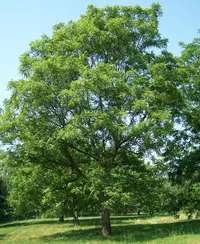
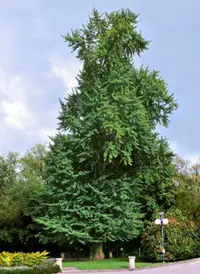
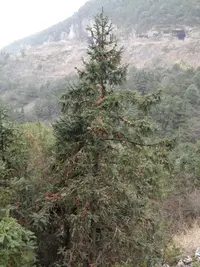
During the first 3–5 years, select one strong central stem and lightly remove competing upright shoots to form a stable single leader that resists snow and wind damage.

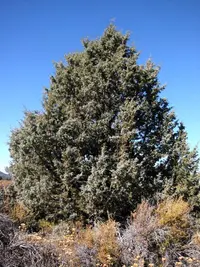
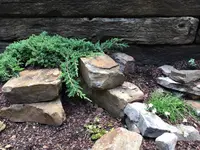
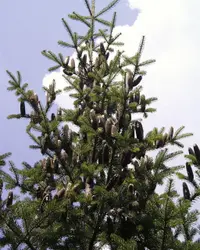
Western juniper, Juniperus occidentalis, is a long-lived evergreen conifer native to dry mountain regions of the western United States. It typically grows as a multi-stemmed shrub or small, rugged tree with dense, gray-green foliage. Bark becomes thick and fibrous with age, giving older plants a distinctive, weathered appearance. This species is adapted to poor, rocky soils and low rainfall, which makes it drought-tolerant but slow-growing in cultivation. It prefers full sun, good air flow, and sharply drained soil. For gardeners, learning how to care for Western Juniper mainly involves avoiding excess water and choosing a site with strong light and lean soil.

Care Difficulty
Easy Care

Light Preference
Full Sun

Water Requirements
Low Water

Temperature Preference
Cold Hardy

Hardiness Zone
4–8

Soil Texture
Sandy, Loamy, Rocky

Soil pH
Slightly acidic (6.5–7.0), Slightly alkaline (7.0–7.5)

Soil Drainage
Well-drained

Fertilization
Minimal (feed rarely)
Scan your plant to receive care tips personalized for your specific plant
Available on iOS and Android
This sun-loving conifer performs best in open, exposed sites with strong light.
This species is highly drought-tolerant and prefers infrequent, deep watering once established.
This hardy conifer is adapted to wide temperature swings and cold winters.
Juniperus occidentalis tolerates a wide humidity range and usually does not need special humidity management outdoors.
Juniperus occidentalis prefers lean, mineral soils with fast drainage and benefits from a deliberately low-organic mix.
This species can be grown in large outdoor containers if the setup prevents waterlogging and anchors the plant securely.
This tough native conifer needs minimal feeding, especially in the ground, but light support can benefit young or container-grown Western Juniper.
Pruning Juniperus occidentalis is mainly corrective, aimed at maintaining structure and removing problem growth rather than reshaping the tree.
This species is usually grown in the ground, so focus on thoughtful transplanting rather than frequent repotting.
Propagation of Juniperus occidentalis is possible but slow and somewhat technical, so it is often left to nurseries.
This cold-hardy species typically needs little winter care in the ground across most of its suitable climate range.

Plant Health Check
Not sure what's wrong with your plant? Check your plant's health inside the app.
This species naturally dominates dry, rocky slopes of the Great Basin and eastern Cascades, often forming the upper tree line where few other conifers tolerate the cold, wind, and low moisture.
Its deep, wide-spreading roots and small, scale-like leaves reduce water loss, allowing established trees to persist for decades on shallow, nutrient-poor soils with very limited rainfall.
Western juniper typically grows slowly, yet many individuals reach several centuries of age, with some well-documented trees exceeding 1,000 years based on growth-ring analysis.

Some old-growth stands of Juniperus occidentalis in the western United States show continuous woodland occupancy for thousands of years, making these juniper woodlands among the oldest persistent plant communities in North America.
Growth is quite slow, typically 7–15 cm per year in natural or landscape settings. Rate depends on genetics, site quality, and water availability. Poor, dry soils and wind exposure slow growth even further, especially in young plants.
Keep your plants happy and healthy with plant identification, disease detection, and easy care guidance.