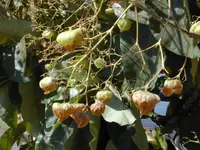
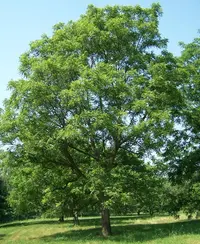
Rhodesian-teak Care (Baikiaea plurijuga)

Also known as: Zambesi Redwood, African teak, Zambezi Teak, Zambian teak, Gusi, Rhodesian-Chestnut, Zambezi-Redwood, Zimbabwe-Teak
Rhodesian-teak

About Rhodesian-teak

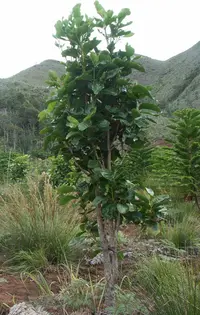
Rhodesian-teak, Baikiaea plurijuga, is a slow-growing hardwood tree valued for its dense, durable timber and attractive reddish-brown heartwood. It forms a medium to large tree with a rounded crown and compound leaves.

This species is native to the dry woodlands and Kalahari sands of southern Africa, where it grows in open, sunny habitats. It is adapted to poor, sandy soils and seasonal drought, which can make cultivation challenging outside its natural climate.

Gardeners who want to care for Rhodesian-teak should note its preference for full sun, well-drained soil, and relatively low, but consistent, moisture once established.

Main Plant Requirements

Care Difficulty

Hard Care

Light Preference

Full Sun

Water Requirements

Low Water

Temperature Preference

Tropical / Frost Sensitive

Hardiness Zone

11–12

Soil Texture

Sandy, Loamy

Soil pH

Slightly acidic (6.5–7.0), Neutral (7.0)

Soil Drainage

Well-drained

Fertilization

Minimal (feed rarely)

Get Personalized Care Plan

Scan your plant to receive care tips personalized for your specific plant

Available on iOS and Android

How to Care for the Rhodesian-teak

This species prefers bright, open conditions that mimic its native dry woodland habitat.

  • Provide full sun for 6–8 hours per day; young Rhodesian-teak plants tolerate very light afternoon shade in hotter regions.
  • Allow light, dappled shade during the hottest part of the day in areas above 90°F (32°C) to reduce leaf scorch and moisture stress.
  • Avoid deep shade, which causes thin crowns and weak growth; ensure south- or west-facing exposure in the Northern Hemisphere, adjusting for lower winter sun angles.

This tree is drought-tolerant once established but needs thoughtful watering during its early years.

  • Water deeply only when the top 5–8 cm of soil has dried, focusing on slow soaking rather than frequent light splashes around Baikiaea plurijuga.
  • Ensure soil drains freely; avoid standing water or compacted clay, which leads to root rot, yellowing leaves, and dieback of fine roots.
  • During the first 2–3 growing seasons, increase watering in hot, dry periods and reduce it in cool or rainy weather, watching for wilting or leaf drop as cues.

This warm-climate tree thrives in hot, dry regions and does not tolerate prolonged cold or frost.

  • Aim for growing-season temperatures of 75–95°F (24–35°C), which support strong shoot and root development without heat stress.
  • Protect from temperatures below 40°F (4°C); damage is likely near 32°F (0°C), and hard frost can kill young shoots or seedlings.
  • In very hot spells above 100°F (38°C), prioritize soil moisture and some shelter from reflected heat to limit canopy stress and leaf scorch.

This species tolerates relatively dry air but grows best with moderate ambient humidity.

  • Aim for 40–60% humidity; typical indoor levels are acceptable if watering is consistent.
  • Leaves may show browning tips or slower growth under very dry air combined with heat stress.
  • Increase humidity locally by grouping plants, using a nearby pebble tray, or placing the container away from drying vents.

Baikiaea plurijuga prefers well-drained, sandy to sandy-loam substrates that mimic its native woodland soils.

  • Use a mix of roughly 50% coarse sand, 30% loam or compost, and 20% fine bark to combine drainage with moderate nutrient content.
  • Ensure rapid drainage; water should pass through freely without pooling for more than a few seconds on the surface.
  • Target a slightly acidic to neutral pH around 6.0–7.0, avoiding highly acidic or calcareous mixes that can limit nutrient uptake.
  • Improve aeration for container plants by adding extra coarse sand or fine gravel and avoiding heavy clay-based garden soil.

This tree is challenging but possible to grow in containers for a limited period, especially in its juvenile stages.

  • Choose a deep, heavy container that stabilizes the developing taproot and prevents the plant from becoming top-heavy in wind.
  • Select thick-walled terracotta or similar porous materials to moderate moisture around the root zone and reduce waterlogging risk.
  • Use a container with multiple drainage holes and raise it on feet or bricks so excess water clears quickly from the base.

Baikiaea plurijuga is a slow-growing tree that needs only light, well-timed feeding in cultivation.

  • Use a balanced slow-release fertilizer (such as 10-10-10) or well-rotted compost in spring at the start of active growth.
  • Apply a light dose once per growing season for young or container-grown Rhodesian-teak, avoiding heavy nitrogen that promotes weak, lanky shoots.
  • Reduce or stop feeding in late autumn and winter, when growth slows or stops, to prevent soft, frost-susceptible tissue.
  • Always follow label rates at the lower end and water before and after application to limit root burn and salt buildup.

Pruning Baikiaea plurijuga focuses on safety, structure, and removal of damaged wood rather than heavy shaping.

  • Carry out main pruning in late winter or very early spring, before active growth, to minimize stress and bleeding sap.
  • Remove dead, diseased, rubbing, or storm-damaged branches first, cutting back to sound wood with clean, sharp tools.
  • Thin congested interior branches modestly to improve light penetration and airflow while maintaining the tree’s natural form.
  • Limit heading cuts and topping; instead, use selective reduction cuts on outward-facing branches to guide size and structure.

This species is usually grown in the ground, so management focuses on careful transplanting of young trees rather than frequent repotting.

  • Transplant during the cooler, mild part of the growing season, typically early spring, to allow root recovery before peak heat.
  • Look for signs such as roots circling the container, water running straight through, or very slow growth despite adequate care.
  • Move up only 1 container size or into a slightly wider planting hole, keeping the root ball intact and setting it at the same depth.
  • Water thoroughly after planting, apply 5–8 cm of organic mulch over the root zone, and shade temporarily if sun is intense to reduce stress.

Propagation of Baikiaea plurijuga is usually done from seed and is considered specialized rather than routine home practice.

  • Collect mature seed pods when dry, then remove and clean seeds before sowing.
  • Sow seeds in late spring in a deep, free-draining medium kept just moist and warm at 70–80°F to encourage germination.
  • Scarify hard seed coats lightly with sandpaper or a brief hot-water soak to improve water uptake and uniform sprouting.
  • Provide bright light, good air movement, and careful watering to avoid damping-off, then pot on seedlings once roots fill the starter cell.

This warm-climate tree lacks strong frost tolerance and needs protection in regions with cold winters.

  • In frost-prone areas, grow young plants in large containers so they can be moved indoors or into a frost-free greenhouse for winter.
  • For in-ground trees at the margin of their hardiness, mulch the root zone with 5–10 cm of coarse organic material, keeping it off the trunk.
  • Avoid winter watering on cold, saturated soils; instead, water lightly during dry, above-freezing periods to prevent desiccation.

Care Tips

Establish deep roots

During the first 2–3 years, give fewer but heavier waterings and avoid surface sprinkling so roots are encouraged to grow deeply, which improves drought tolerance and long-term stability when growing Rhodesian-teak.

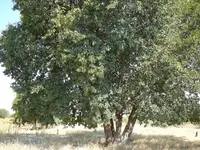
Protect taproot early

When planting young trees, use tall, narrow containers or deep planting holes and avoid disturbing the main taproot, as damage at this stage can permanently stunt growth and reduce wind resistance.

Manage competition zone

Keep a 60–100 cm radius around the trunk free of turf and aggressive groundcovers, using a breathable mulch layer instead, so the tree does not have to compete heavily for water and nutrients during establishment.

Plan for mature spacing

Site trees with generous spacing from buildings, driveways, and other trees, as the crown and root system become broad and heavy and need room for safe structural development.

Monitor structural integrity

Inspect major limbs at least once a year for cracks, included bark, or rubbing branches, and arrange for a qualified arborist to perform structural pruning before defects become large and difficult to correct.

Common Pests and Diseases

Wood-boring beetles

This pest attacks trunks and larger branches, with larvae tunneling through the heartwood and reducing timber quality. Symptoms include small round exit holes, fine wood dust (frass), and weakened branches that may break in strong wind.

Solution

Prune and destroy heavily infested branches and remove badly damaged trees to reduce breeding sites. For plantations or valuable specimens, monitor for fresh exit holes, avoid wounding the bark, keep trees vigorous through proper spacing and watering in the establishment phase, and where regulations allow, have a certified arborist apply a systemic insecticide to high-value trees when activity is detected.

Bark beetles

These insects target stressed or drought-weakened trees, boring through the bark and creating galleries that interfere with nutrient flow. Symptoms include fine boring dust in bark crevices, small entry holes, and canopy thinning or dieback starting from the top of the tree.

Solution

Reduce stress by avoiding soil compaction and severe drought stress during establishment, and promptly remove and destroy severely infested trees or branches. In plantations, maintain proper spacing, thin overcrowded stands, and use pheromone or sticky traps for monitoring; in high-risk areas, consult a forestry specialist about preventive bark spray treatments on at-risk trees before peak beetle flight periods.

Leaf-feeding caterpillars

These insects feed on the foliage, causing irregular holes or complete defoliation on young trees and saplings. Symptoms include chewed leaf margins, skeletonized leaves, and clusters of green pellets (frass) on the ground or lower leaves.

Solution

Handpick caterpillars from young or small trees and prune out heavily infested twigs where practical. For larger-scale issues, encourage natural predators such as birds by maintaining habitat diversity, and if damage becomes severe on young plantation stock, consider a targeted application of a biological product based on Bacillus thuringiensis (Bt), following label and local forestry guidelines.

Heart rot fungi

This disease results from wood-decaying fungi entering through wounds, fire scars, or broken branches, gradually hollowing out the trunk and major limbs. Symptoms include old branch stubs, conks or bracket fungi on the trunk, and apparently sound trees that drop limbs or fail in storms due to internal decay.

Solution

Minimize trunk wounds during site work, pruning, or grazing, and promptly prune broken branches with clean cuts that can seal effectively. Monitor mature trees for fruiting bodies of decay fungi and signs of structural weakness; remove severely affected trees from areas where people, vehicles, or buildings could be damaged by sudden failure, following advice from a qualified arborist or forester.

Dieback and canker

This disease complex is usually caused by opportunistic fungi that infect through bark injuries or stress points, leading to sunken lesions and progressive branch dieback. Symptoms include discolored or sunken bark patches, cracking around lesions, and dead twigs or branches beyond the cankered area.

Solution

Prune out affected twigs and branches at least 15–20 cm below visible symptoms using clean, disinfected tools, and destroy infected material away from the stand. Reduce plant stress by avoiding mechanical damage, maintaining suitable spacing for airflow, and in young plantations, select and retain only vigorous, well-formed individuals that show no recurrent canker formation as they mature.

Interesting Facts

Signature teak-like wood

This species produces a dense, hard, reddish-brown timber known as Rhodesian teak, valued for flooring, railway sleepers, and heavy-duty construction because it is highly wear-resistant and dimensionally stable.

Dominant Kalahari tree

It is a characteristic and sometimes dominant tree of the Kalahari sand woodlands in parts of Zambia, Zimbabwe, Namibia, Botswana, and Angola, where it helps define a distinct dry woodland ecosystem on deep, well-drained sands.

Fire- and drought-adapted

The tree develops a deep root system and thick bark that allow it to tolerate long dry seasons and frequent bushfires typical of its native savanna habitats.

Botan icon

Did you know?

Rhodesian teak has been harvested so heavily and regenerates so slowly in many areas that several southern African countries have listed it as a protected species or placed its timber under strict harvesting controls to conserve remaining natural stands.

FAQs about Rhodesian-teak

This species grows slowly, often adding only 20–40 cm in height per year once established. Early growth is even slower while the deep taproot develops, so long-term planning and patience are essential when positioning young trees.

Grow Healthy Plants with Botan Care

Keep your plants happy and healthy with plant identification, disease detection, and easy care guidance.

Botan plant care app — identify plants on mobile

Explore More Plants