mountain maple Care (Acer spicatum)

Also known as: dwarf maple, moose maple, white maple
mountain maple

About mountain maple

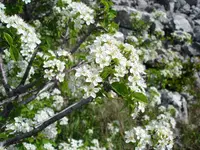
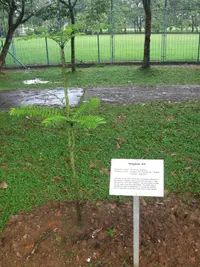
Mountain maple, Acer spicatum, is a small deciduous tree or large shrub native to cool, moist forests of northeastern North America. It often grows as an understory plant beneath taller trees.

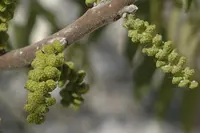
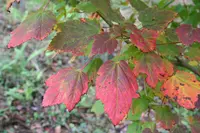
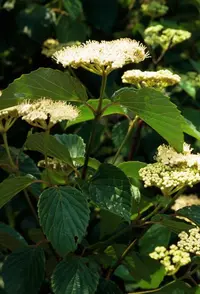
The plant has thin, three-lobed leaves, smooth gray-brown bark, and upright clusters of small yellowish flowers that develop into red-tinged winged seeds. Its modest size and naturally bushy habit suit woodland-style gardens and naturalized areas.

Mountain maple prefers cool climates, dappled light, and evenly moist, well-drained, slightly acidic soil. It is generally hardy but can struggle in hot, dry, or compacted sites, so learning how to care for mountain maple helps it establish well.

Main Plant Requirements

Care Difficulty

Moderate Care

Light Preference

Partial Shade

Water Requirements

Regular Water

Temperature Preference

Cold Hardy

Hardiness Zone

3–7

Soil Texture

Loamy, Silty, Organic-rich

Soil pH

Strongly acidic (4.5–5.5), Acidic (5.5–6.5)

Soil Drainage

Moist but well-drained

Fertilization

Minimal (feed rarely)

Get Personalized Care Plan

Scan your plant to receive care tips personalized for your specific plant

Available on iOS and Android

How to Care for the mountain maple

This understory maple prefers bright but gentle light that mimics a forest edge.

  • Aim for 3–5 hours of morning sun with light to moderate shade the rest of the day to reduce leaf scorch risk.
  • Provide dappled or filtered light under taller trees; direct afternoon sun, especially in summer, can burn tender foliage of mountain maple.
  • In hot summers, increase shade from mid-afternoon onward, while in cooler or northern sites it can handle more open exposure without stress.

This species favors consistently moist, cool soil without prolonged saturation.

  • Allow the top 3–5 cm of soil to lose surface dampness, then water deeply so moisture reaches the full root zone in the upper 20–30 cm.
  • During hot, dry periods, monitor foliage for slight droop or curling as a cue to water, and use mulch to slow evaporation and stabilize moisture.
  • Acer spicatum reacts poorly to waterlogged sites, showing yellowing leaves or dieback; choose well-drained, loamy soil and avoid standing water, especially in spring.

This cool-climate maple is adapted to cold winters and mild summers.

  • Optimal growing temperatures are about 60–75°F (16–24°C) during the active season, with cooler nights supporting healthy development.
  • Dormant trees tolerate winter cold down to about -30°F (-34°C) when fully acclimated, provided roots are in the ground and not exposed.
  • Heat above 85–90°F (29–32°C), especially with dry winds, can stress foliage; provide extra shade and soil moisture during hot spells to limit leaf scorch.

This cool-climate maple handles a wide humidity range but benefits from slightly moist air in hot conditions.

  • Aim for 40–60% humidity, similar to outdoor woodland air in much of its native range.
  • It tolerates drier air but prolonged very low humidity can worsen leaf scorch during heat or drought.
  • Humidity stress shows as crisp brown leaf edges and premature leaf drop, especially on newly planted mountain maple.
  • Increase humidity outdoors by mulching the root zone and providing nearby understory planting that shades soil and slows evaporation.

Acer spicatum prefers cool, moist, well-aerated woodland-type soil with consistent drainage.

  • Use a deep, loamy soil rich in organic matter, combining native soil with composted leaf mold or well-rotted compost.
  • Ensure free drainage; avoid waterlogged sites, compacted clay, and low-lying spots that stay wet after rain.
  • Target slightly acidic to neutral pH around 5.5–7.0, adding pine bark fines or leaf mold if soil is naturally alkaline.
  • Improve aeration and drainage by working in coarse sand or small bark chips in heavier soils, keeping at least 20–30% organic content.

This species can be grown in containers for a limited time, mainly as a young specimen or for short-term display.

  • Choose a tall, heavy container to anchor the root system and prevent wind rock as the young tree gains height.
  • Use a deep, moisture-retentive yet draining mix, such as composted bark with coarse sand, to mimic cool woodland soil in a confined space.
  • Position the container where side protection from wind reduces tipping and root-zone drying, especially on exposed patios or balconies.

This cool-climate understory tree needs only light feeding in most garden soils.

  • Apply a thin layer of compost or leaf mold around the drip line once each spring to support slow, steady growth.
  • In poorer soils, use a balanced slow-release fertilizer, such as 10-10-10, at half strength in early spring.
  • Avoid midsummer and fall feeding so new shoots of mountain maple harden before winter.
  • Keep fertilizer off the trunk and water it in well to prevent root burn.

Pruning Acer spicatum focuses on safety, structure, and light shaping rather than heavy cutting.

  • Carry out pruning during late winter or very early spring, before sap flow and bud break.
  • Remove dead, diseased, or storm-damaged branches first, cutting back to sound wood with clean, sharp tools.
  • Thin crowded interior shoots to improve air flow and maintain a single main leader where appropriate.
  • Limit pruning to small- and medium-diameter branches to preserve the tree’s natural, open form.

This species is usually field-grown or planted out young, so care focuses on transplanting rather than long-term container culture.

  • Transplant in early spring or fall when soil is moist and temperatures are mild, reducing stress on Acer spicatum.
  • Look for signs such as roots circling the pot, tight root mass, or stunted top growth in nursery containers.
  • Plant at the same depth as in the pot, spread roots outward, and water thoroughly to settle soil and remove air pockets.
  • Mulch 5–8 cm deep around the root zone, keeping mulch off the trunk, and keep soil evenly moist during the first 1–2 seasons.

Propagation of this maple is most often done from seed, with vegetative methods used less commonly.

  • Collect ripe samaras in late summer to early fall and sow fresh, or store cool and dry until treatment.
  • Provide 60–90 days of cold, moist stratification at about 34–41°F to break seed dormancy and improve germination.
  • Sow seeds in a well-drained, slightly acidic mix, keep evenly moist, and give bright, indirect light.
  • Softwood cuttings in early summer root only modestly; use hormone, high humidity, and bottom warmth to improve success.

This cold-hardy native maple tolerates typical northern winters and usually needs minimal intervention in the ground.

  • Young or newly transplanted trees benefit from 5–8 cm of organic mulch over the root zone, kept away from the trunk.
  • In exposed sites, wrap the lower trunk of young trees with a breathable guard to reduce sunscald and rodent damage.
  • Container-grown specimens should be moved into an unheated, sheltered space where roots stay just above freezing.

Care Tips

Understory placement

Site plants where they receive dappled light beneath taller trees or on the north/east side of buildings to mimic natural woodland shade and reduce leaf scorch and wind stress when growing mountain maple.

Root-zone mulching

Maintain a 5–8 cm layer of leaf mold or shredded bark over the root zone, keeping it a few cm away from the trunk, to conserve moisture, moderate soil temperature, and encourage fine feeder roots.

Gentle slope siting

Plant on a gentle slope or raised berm in heavier soils so excess water drains away from the crown, reducing the risk of root and collar rot in wet seasons.

Snow and ice protection

In regions with heavy snow, stake young trees and gently tie flexible stems with soft ties to a single support to prevent breakage from snow load and ice accumulation.

Structural training

During late winter, select 1–3 well-spaced main stems and remove only competing, crossing, or very low branches to develop a stable multi-stem form without stressing the plant.

Common Pests and Diseases

Leaf spot fungi

This disease causes scattered brown to purplish spots on leaves that may merge and lead to premature leaf drop, especially in humid conditions.

Solution

Remove and destroy heavily spotted fallen leaves to reduce spores, avoid overhead watering, and improve air movement around the plant; in persistent, severe cases on valuable specimens, a labeled copper or chlorothalonil fungicide can be applied early in the season following local guidance for Acer spicatum care.

Tar spot

This disease produces small yellowish spots on leaves that develop into raised, shiny black patches later in the season.

Solution

Rake and discard infected leaves in fall to break the fungal life cycle, and maintain good spacing and airflow; fungicide sprays are rarely necessary and are usually reserved for ornamental trees where leaf appearance is very important.

Verticillium wilt

This disease leads to sudden wilting, yellowing, and dieback of individual branches, often on one side of the tree, due to a soil-borne fungus blocking water movement in the xylem tissue.

Solution

Prune out affected branches back to healthy wood, dispose of all infected material, keep the tree well watered during dry periods, and avoid root disturbance; do not replant susceptible maples in the same site if the tree dies, and choose more resistant species instead.

Maple gall mites

These insects cause tiny to large raised galls or blisters that can be green, red, or wart-like on the upper leaf surface, but typically do not threaten overall tree health.

Solution

Leave light infestations alone since damage is mostly cosmetic, and promote tree vigor through proper watering and mulching; for repeated heavy outbreaks on ornamental trees, apply a horticultural oil spray just before bud break to reduce overwintering mite populations.

Maple leafcutter

This pest creates small, ragged holes and notches in leaves, with larvae sometimes cutting and folding pieces of leaf tissue into protective shelters.

Solution

Hand-pick and destroy folded or cut leaf shelters on smaller trees, encourage birds and beneficial insects, and keep the tree healthy with adequate water and mulch so it can tolerate moderate defoliation without long-term decline.

Interesting Facts

Shade-tolerant understory tree

This species is naturally adapted to grow in cool, moist understory conditions of northern hardwood and mixed conifer forests, often thriving beneath taller canopy trees where light levels are quite low.

Key browse for wildlife

Twigs and young shoots are an important winter food source for moose and white-tailed deer in its native range, which can strongly influence the plant’s height and branching patterns in heavily browsed areas.

Pioneer on disturbed sites

After small landslides, logging, or other soil-disturbing events in cool, moist regions, this maple often colonizes quickly and helps stabilize slopes with its relatively shallow but fibrous root system.

Botan icon

Did you know?

In parts of northeastern North America, traditional craftspeople have used the flexible, tough stems of this maple to make items such as snowshoe frames and basket rims, taking advantage of its combination of light weight and resilience.

FAQs about mountain maple

This species is moderate-growing, usually adding about 15–30 cm of height per year in suitable conditions. Growth is quicker in cool, moist, fertile sites and slows in drought, heat, compacted soil, or heavy shade.

Grow Healthy Plants with Botan Care

Keep your plants happy and healthy with plant identification, disease detection, and easy care guidance.

Botan plant care app — identify plants on mobile

Explore More Plants