Establish deep roots
During the first 2–3 years, use a slow, infrequent soak from a drip line placed 30–60 cm from the trunk to encourage a deep root system that will better tolerate drought and wind as the tree matures.

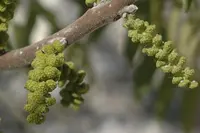
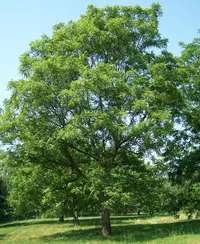
Little walnut, Juglans microcarpa, is a small deciduous tree or large shrub in the walnut family, usually found along streams and riverbanks. It forms multiple trunks or a low, spreading crown with gray bark and small compound leaves, and carries clusters of small, hard-shelled nuts. This species is native to the south-central United States and northern Mexico, adapted to hot summers and periodic drought. It grows best in full sun, well-drained soil, and with access to deep moisture, but young plants need protection from extreme stress. Its toughness and relative drought tolerance can make it manageable to care for little walnut in suitable climates, though it is not ideal for very small gardens.

Care Difficulty
Moderate Care

Light Preference
Full Sun

Water Requirements
Moderate Water

Temperature Preference
Cold Hardy

Hardiness Zone
5–9

Soil Texture
Sandy, Loamy, Rocky

Soil pH
Slightly acidic (6.5–7.0), Neutral (7.0)

Soil Drainage
Well-drained

Fertilization
Minimal (feed rarely)
Scan your plant to receive care tips personalized for your specific plant
Available on iOS and Android
Juglans microcarpa is a sun-loving riparian tree that still tolerates some shade, especially when young.
This species prefers consistent soil moisture but is naturally adapted to periodic drying between waterings.
This hardy species tolerates a wide temperature range once established.
Humidity is not a major factor for Juglans microcarpa, which adapts well to outdoor conditions in most regions.
Juglans microcarpa prefers deep, well-drained mineral soils that do not stay waterlogged after rain or irrigation.
This species is poorly suited to long-term container growing and is best kept in the ground once established.
This drought-tolerant native tree usually needs minimal feeding in average garden soil.
Pruning Juglans microcarpa is mainly structural and corrective rather than routine.
This species is rarely kept long term in containers and is usually transplanted young into the landscape.
Propagation of this walnut is typically done from seed and requires patience and specific conditions.
Established Juglans microcarpa trees are cold hardy and generally need no special winter care in most temperate regions.

Plant Health Check
Not sure what's wrong with your plant? Check your plant's health inside the app.
This species naturally occurs along intermittent streams and dry riverbeds in the southern Great Plains and northern Mexico, tolerating periodic flooding followed by long dry spells better than many other walnuts.
The tree produces some of the smallest fruits in the walnut genus, with very hard shells that protect the seeds from many predators but require significant force to open.
In parts of Texas and New Mexico, it hybridizes with the Arizona walnut (Juglans major), forming naturally occurring hybrids that show intermediate leaf and fruit traits and are studied in walnut evolution research.

Little walnut has been used in riparian restoration projects in the southwestern United States because its deep, wide-spreading root system helps stabilize eroding stream banks and tolerate periodic drought once established.
This species grows at a moderate to fast rate, often adding 30–60 cm per year in good conditions. Young trees usually become noticeably established and shading within 5–7 years after planting.
Keep your plants happy and healthy with plant identification, disease detection, and easy care guidance.