Silky Rosegill Care (Volvariella bombycina)

Silky Rosegill

About Silky Rosegill

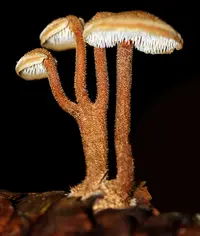
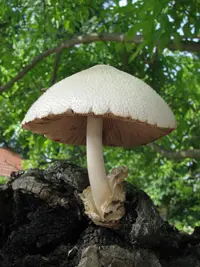
Silky rosegill, Volvariella bombycina, is a saprobic mushroom that grows on dead or dying hardwood trees, often high on trunks or large branches. It forms striking white to silvery caps with a silky surface and soft pink gills underneath.

In nature it appears in temperate forests, parks, and old tree-lined streets, usually where there is decaying wood. The species does not grow in regular potting soil and needs lignin-rich woody material.

This fungus is considered challenging to cultivate at home because it has specific substrate and humidity requirements. Enthusiasts who care for Silky Rosegill often focus on mimicking its natural deadwood habitat as closely as possible.

Main Plant Requirements

Care Difficulty

Hard Care

Light Preference

Partial Shade

Water Requirements

Keep Soil Moist

Temperature Preference

Tropical / Frost Sensitive

Hardiness Zone

Unknown

Soil Texture

Loamy, Organic-rich

Soil pH

Acidic (5.5–6.5)

Soil Drainage

Moist but well-drained

Fertilization

Minimal (feed rarely)

Get Personalized Care Plan

Scan your plant to receive care tips personalized for your specific plant

Available on iOS and Android

How to Care for the Silky Rosegill

This saprophytic mushroom prefers gentle, indirect light rather than intense direct sun.

  • Provide 2–4 hours of dappled or filtered morning sun with bright shade for the rest of the day, mimicking light under open woodland canopies for Silky Rosegill.
  • Allow partial shade or high, broken shade; avoid strong midday and afternoon sun that can dry substrate and scorch emerging caps.
  • In summer, use overhead shade (tree canopy, shade cloth) to diffuse harsh light, while in cooler seasons ensure sites are not overly dark to maintain reliable fruiting.

This fungus needs consistently moist, airy substrate rather than strictly timed watering.

  • Keep the growing substrate evenly moist but not waterlogged; surface should feel damp, never soupy, and should not crack or become dusty-dry between soakings.
  • Water deeply when the top 2–3 cm of substrate feels just slightly less moist, allowing excess to drain away so mycelium receives both oxygen and moisture.
  • In warm, windy, or dry weather, check moisture daily; pale, shriveling caps suggest drying, while sour smell or slimy patches indicate overwatering and poor aeration around Volvariella bombycina.

This species fruits best in mild, consistently warm conditions without frost or extreme heat.

  • Aim for an optimal growth and fruiting range of 68–82°F (20–28°C), which supports active mycelial growth and reliable mushroom development.
  • Protect from cold; growth slows below about 55°F (13°C), and hard frost near 32°F (0°C) can kill exposed fruiting bodies and damage mycelium near the surface.
  • In hot spells above 86–90°F (30–32°C), increase shading and moisture to prevent substrate overheating and drying, especially on exposed logs or stumps.

This wood-decaying fungus fruits best in consistently humid air rather than dry indoor conditions.

  • Aim for 70–90% humidity around developing caps; drier air slows growth and shortens the fruiting period.
  • Watch for cracked, dry caps and rapidly shriveling margins as signs of low humidity stress in Silky Rosegill.
  • Increase humidity by misting the fruiting site, using a nearby open tray of water, or lightly covering with breathable plastic to trap moisture.

This saprophytic fungus requires a loose, organic substrate rather than typical garden soil.

  • Use a deep layer of well-decayed hardwood chips, straw, or mixed lignin-rich debris instead of mineral soil for Volvariella bombycina.
  • Ensure the substrate drains freely yet stays evenly moist; avoid compacted, waterlogged, or clay-heavy ground that limits air flow.
  • Maintain a slightly acidic to neutral zone (pH 5.5–7.0) by blending leaf mold or finished compost into the woody substrate.
  • Improve aeration by layering coarse chips or straw at the base and avoiding heavy stepping or compression over the colonized area.

This species is suitable for container growing when provided with a deep, airy organic substrate.

  • Select a tall, rigid container to hold a thick layer of woody or straw substrate without collapsing or tipping as it colonizes.
  • Drill extra side holes near the lower third of the container to vent CO2 and keep the substrate oxygenated.
  • Use a light-colored, non-heat-absorbing pot so the substrate does not overheat and dry out in direct or reflected sun.

Volvariella bombycina is a saprophytic mushroom that usually needs only a nutrient-rich substrate rather than ongoing fertilizer applications.

  • Use well-aged compost or manure mixed into straw, wood chips, or other lignocellulosic material before inoculation instead of liquid feed.
  • If supplementing, apply a light, balanced NPK at 1⁄4 strength to the substrate before spawn run, not during fruiting.
  • Avoid heavy or frequent feeding; excessive nutrients can favor competing molds and bacteria.
  • During cooler, less active periods, skip added nutrients and focus on maintaining proper moisture and hygiene for caring for Silky Rosegill.

Pruning is not part of Volvariella bombycina care, since it is a mushroom rather than a leafy or woody plant.

This fungus is not traditionally repotted, but its substrate can be refreshed or relocated to support ongoing fruiting.

  • Consider transplanting when the straw or wood-based substrate is exhausted, dry, or heavily contaminated with mold.
  • Plan moves during a non-fruiting phase, ideally in mild weather, to lessen stress on the developing mycelium network.
  • Shift colonized substrate gently into a fresh, similar medium, keeping mycelium clumps intact and avoiding compaction.
  • Water lightly after transplanting, then maintain even moisture and shade while the mycelium re-establishes in its new position.

Volvariella bombycina is propagated by mycelium spawn rather than cuttings or seeds, which suits controlled cultivation.

  • Use grain or sawdust spawn prepared from a pure culture to ensure reliable identification and performance.
  • Inoculate pasteurized straw, wood chips, or similar cellulose-rich material in late spring to late summer when temperatures are warm.
  • Keep the substrate at 77–86°F with high humidity and gentle air movement to support mycelial colonization.
  • Minimize disturbance of the colonized block, then raise humidity further and introduce fresh air to trigger fruiting once the substrate is fully white.

Outdoor Volvariella bombycina cultures decline in cold weather and usually need only simple management rather than intensive winter protection.

  • In climates with frost, treat outdoor beds as seasonal; plan to start fresh substrates in the next warm season.
  • If mild winters occur, add a light mulch over spent substrate mainly to keep conditions stable and reduce premature drying.
  • Container or bag cultures should be kept above freezing, ideally in a sheltered, frost-free space with moderate humidity.

Care Tips

Clean Substrate Tools

Disinfect knives, tubs, and any surface that touches the substrate with 70% isopropyl alcohol or heat before use to reduce contamination from molds and bacteria.

Side Fruiting Slots

Cut narrow horizontal slots in grow bags or liners at 5–8 cm intervals to encourage side fruiting and better air circulation around developing caps.

Staggered Ventilation

Once primordia appear, open fresh-air vents or slightly loosen bag tops 2–3 times per day for a few minutes to supply oxygen without drying the substrate surface.

Protective Harvest Grip

When harvesting, gently support the stem with one hand and twist at the base with the other to avoid tearing the surrounding mycelium and to reduce the risk of infection in the remaining block.

Spent Block Reuse

After the main flushes, crumble spent blocks into outdoor compost heaps or woodchip beds to extend productivity and recycle organic matter while growing Silky Rosegill in a low-waste way.

Common Pests and Diseases

Trichoderma green mold

This disease appears as dense, bright to dark green patches that rapidly overgrow the white mycelium and developing fruiting bodies, leading to poor or deformed mushrooms.

Solution

Remove and discard contaminated substrate and mushrooms, then thoroughly clean growing surfaces and tools with a disinfectant; reduce excess moisture, improve ventilation, and maintain clean spawn and casing materials as the main Volvariella bombycina care instructions to limit reinfection.

Cobweb mold

This disease shows as fast-spreading, fine gray to whitish web-like growth over the casing and mushroom primordia, which can quickly collapse developing fruiting bodies.

Solution

Isolate and remove affected sections of substrate, increase fresh air exchange, lower humidity slightly, and clean surrounding surfaces; in early stages, lightly misting with clean water and wiping away visible mold can reduce spread if followed by improved hygiene.

Mushroom mites

These insects are tiny, pale arachnids that feed on mycelium and young mushrooms, causing pitting, scarring, and reduced yields while sometimes carrying other pathogens.

Solution

Discard heavily infested substrate, clean and dry the growing area thoroughly, and filter incoming air; store straw or other substrates in sealed containers and heat-treat or pasteurize them properly before use to prevent reintroduction.

Fungus gnat larvae

This pest lives in the moist substrate, where larvae tunnel through mycelium and developing mushrooms, causing soft spots, decay, and higher risk of secondary infections.

Solution

Use fine mesh screens on vents and keep doors closed to reduce adult entry, allow the top layer of substrate to dry slightly between misting, remove decaying organic material, and use yellow sticky traps to reduce adult populations around the growing area.

Bacterial blotch

This disease presents as slimy, yellow-brown to dark spots on caps and stems, often associated with standing water and poor air circulation on the mushroom surface.

Solution

Avoid overhead watering that leaves water sitting on caps, improve airflow and reduce humidity peaks, and promptly remove and discard affected mushrooms; clean surfaces and tools with a mild disinfectant solution before the next flush or crop cycle.

Interesting Facts

Silky egg-like volva

Young fruiting bodies emerge from a white, silky, egg-like sac called a volva, which later ruptures and remains as a loose cup at the stem base, aiding identification of this species.

Tree-dwelling saprophyte

This fungus grows on dead or dying hardwoods, especially beech, poplar, and elm, where it decomposes wood and recycles nutrients back into the forest ecosystem.

Distinctive spore color

Unlike many white-gilled mushrooms, it produces a pink spore print as the gills mature, which helps distinguish it from similar but potentially dangerous white mushrooms.

Botan icon

Did you know?

This species can appear high on standing trunks or large limbs, so fruiting bodies are often first noticed from a distance as pale, silky caps seemingly suspended on the side of living trees.

FAQs about Silky Rosegill

This mushroom is considered edible when correctly identified, but it is not widely collected as food. Misidentification with other pale gilled fungi is possible, so only experienced foragers should consume it and local guidance is recommended.

Grow Healthy Plants with Botan Care

Keep your plants happy and healthy with plant identification, disease detection, and easy care guidance.

Botan plant care app — identify plants on mobile

Explore More Plants