glossy acronychia Care (Acronychia laevis)

Also known as: hard aspen
glossy acronychia

About glossy acronychia

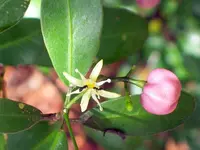
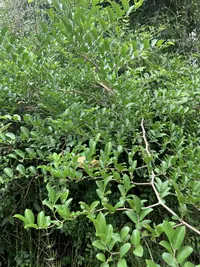
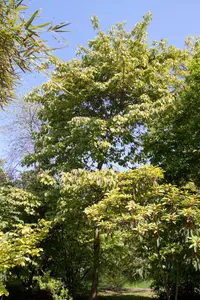
Glossy acronychia (Acronychia laevis) is an evergreen shrub to small tree from the rainforests and moist forests of eastern Australia. It is mainly grown for its dense, glossy foliage and neat, upright habit.

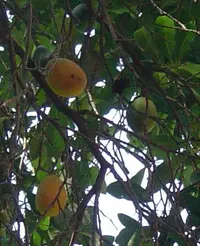
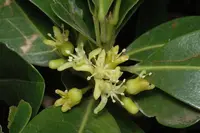
The plant bears small, pale flowers followed by yellowish fruits that add seasonal interest, especially in mild, frost-free climates. Its naturally tidy shape makes it suitable for screens, informal hedges, or a background specimen in larger gardens.

A. laevis prefers mild, humid conditions, fertile, well-drained soil, and protection from hard frost, which influences how easy it is to establish. Understanding how to care for glossy acronychia helps prevent stress from cold, drought, or poor drainage.


Main Plant Requirements

Care Difficulty

Moderate Care

Light Preference

Partial Shade

Water Requirements

Moderate Water

Temperature Preference

Warm Climate

Hardiness Zone

10–11

Soil Texture

Sandy, Loamy, Organic-rich

Soil pH

Acidic (5.5–6.5), Slightly acidic (6.5–7.0)

Soil Drainage

Moist but well-drained

Fertilization

Minimal (feed rarely)

Get Personalized Care Plan

Scan your plant to receive care tips personalized for your specific plant

Available on iOS and Android

How to Care for the glossy acronychia

This subtropical shrub prefers consistent bright light to support dense foliage and flowering.

  • Provide 4–6 hours of direct morning sun with light afternoon shade; dappled light under taller trees suits glossy acronychia well.
  • In hotter inland sites, protect from strong sun between 12–3 p.m. to prevent leaf scorch and pale, crispy leaf edges.
  • In cooler or coastal climates, full sun is suitable, but plants in deep shade develop sparse growth and fewer flowers.

This species favors steadily moist but not saturated soil once established in the landscape.

  • Allow the top 3–5 cm of soil to dry before deep watering, aiming for moisture that reaches the main root zone rather than frequent shallow soakings.
  • Use well-drained soil; yellowing, soft leaves or a sour smell indicate overwatering, while dull, curling leaves and dry, hard soil suggest underwatering in Acronychia laevis.
  • Increase watering during hot, windy periods and reduce in cool or rainy seasons, always adjusting to actual soil moisture rather than the calendar.

This plant thrives in mild, frost-free climates typical of warm temperate to subtropical regions.

  • Optimal growth occurs around 65–82°F (18–28°C), supporting steady shoot development and healthy foliage density.
  • Plants tolerate brief dips to about 28–30°F (-2 to -1°C), but repeated frosts can damage young tips and new flushes of growth.
  • Mature shrubs handle summer heat up to about 95°F (35°C) if soil moisture is maintained, but prolonged extremes above this can cause leaf scorch and reduced flowering.

This species prefers moderately moist air but usually copes with typical home humidity.

  • Aim for 40–60% humidity, as very dry air can cause leaf edges to brown and tips to crisp on glossy acronychia.
  • Monitor for curled, dull leaves or slow new growth as signs of humidity stress, especially near heaters or strong drafts.
  • Increase humidity by grouping plants, placing the pot on a pebble tray with water below the pot base, or running a small nearby humidifier.

Acronychia laevis grows best in moist, well-drained, slightly acidic to neutral soil with plenty of organic matter.

  • Use a loamy mix based on 2 parts composted bark or rich compost, 1 part coarse sand, and 1 part perlite to balance moisture retention and drainage.
  • Ensure the soil drains freely after deep watering; standing water around the roots encourages rot and can deplete oxygen in the root zone.
  • Aim for pH 6.0–7.0; add composted pine bark or leaf mold to gently acidify and improve structure without drastic pH changes.
  • Avoid heavy clay, compacted ground, or mixes dominated by fine peat alone, which reduce aeration and lead to waterlogging around fine feeder roots.

This species can be grown in containers if given enough root space and stable support.

  • Choose a deep, heavy pot to anchor the plant against wind, as the woody canopy becomes top-heavy with age.
  • Select a container material that slows rapid drying, such as thick-walled terracotta or glazed clay, to keep the root zone evenly moist outdoors.
  • Raise the pot slightly on feet or bricks so drainage holes clear quickly after heavy rain, preventing water from pooling under the base.

This Australian rainforest tree benefits from light, steady feeding when grown in gardens or containers, especially during active growth.

  • Use a balanced slow-release fertilizer (such as 10-10-10) or well-rotted compost mixed into the root zone in spring.
  • Feed container plants every 4–6 weeks in spring–summer with a half-strength balanced liquid fertilizer after watering.
  • Reduce or stop feeding in fall–winter, as growth slows and nutrient demand drops.
  • In poor soils, thin mulch of compost replenishes nutrients and supports healthy, glossy acronychia foliage.

Pruning Acronychia laevis is mainly used to maintain structure, remove damage, and keep the tree manageable in gardens or hedges.

  • Carry out light shaping and clean-up pruning in late winter or early spring before strong new growth.
  • Remove dead, diseased, crossing, or inward-growing branches to open the canopy and improve airflow.
  • Shorten overly long shoots to maintain size and form, making angled cuts just above outward-facing buds.
  • Use clean, sharp bypass pruners or loppers, disinfecting blades between trees to limit disease spread.

This species is usually grown in the ground, so focus on careful transplanting rather than frequent repotting.

  • Transplant young trees in late winter or early spring when soil is moist and temperatures are mild.
  • Look for signs such as roots circling the pot, water running off quickly, or slowed growth before moving container plants up 1 pot size.
  • Dig a wide planting hole, keeping the root ball intact and setting the crown at the same soil level to limit shock.
  • Water deeply after planting, mulch 5–8 cm around (not against) the trunk, and keep soil evenly moist while roots establish.

New Acronychia laevis plants are most often raised from seed, though semi-hardwood cuttings are sometimes used by experienced growers.

  • Collect ripe seeds from mature fruit, clean them, and sow fresh in late spring in a free-draining seed-raising mix.
  • Maintain gentle warmth (68–77°F), bright shade, and evenly moist but not waterlogged medium to support germination.
  • For cuttings, select semi-hardwood tips, apply rooting hormone, and place in a humid, covered propagator with bottom heat.
  • Harden off seedlings or rooted cuttings gradually outdoors, avoiding harsh sun and wind while roots strengthen.

This subtropical tree is only lightly frost-tolerant and benefits from basic winter protection in cooler climates.

  • In regions with frost, grow in a sheltered microclimate near walls or larger trees to moderate temperature swings.
  • Mulch 5–8 cm around the root zone in late fall to insulate soil, keeping mulch clear of the trunk.
  • Move container plants indoors or into a frost-free greenhouse when forecasts approach 32°F, giving bright, indirect light.

Care Tips

Salt-tolerant placement

Use this species as a screen or shelterbelt in mild coastal sites, as it tolerates salt-laden winds better than many shrubs, but still provide some protection from the most exposed, windward positions to reduce leaf scorch and branch dieback.

Formative structure training

In the first 2–3 years, select 1–3 strong leaders and lightly tip-prune competing stems to develop either a single-stem small tree or a multi-stemmed shrub form that will better handle wind and future pruning.

Mulch for root cooling

Maintain a 5–8 cm layer of coarse organic mulch over the root zone, keeping it a few cm away from the trunk, to stabilize soil temperature, reduce weed competition, and support fine feeder roots near the surface.

Scale and sooty mold checks

Inspect undersides of leaves and stems every few weeks for sap-sucking pests such as scale insects, and treat early with a labeled horticultural oil to prevent sooty mold buildup that can reduce photosynthesis when growing glossy acronychia.

Transplant shock reduction

When moving established plants, root-prune in a wide circle 2–3 months before lifting, then replant at the same soil depth and water thoroughly to encourage a compact, fibrous root ball that resettles quickly.

Common Pests and Diseases

Citrus leaf miner

This pest creates winding, silvery tunnels inside young leaves, causing distortion and reduced vigour in new growth.

Solution

Prune and dispose of heavily affected soft shoots to remove larvae, avoid excessive nitrogen fertiliser that promotes flushes of tender growth, and protect new flushes with horticultural oil sprays applied to the undersides of leaves according to label directions.

Scale insects

These insects appear as small, dome-shaped bumps on stems and leaf midribs, often accompanied by sticky honeydew and sooty mould.

Solution

Wipe or gently scrub infested stems and leaves with a soft cloth or brush dipped in mild soapy water, prune out heavily infested twigs, and use horticultural oil or a systemic insecticide labelled for ornamental trees if populations remain high.

Sooty mould

This disease presents as a black, powdery or crusty coating on leaves and stems, growing on the honeydew excreted by sap-sucking insects such as scale or aphids.

Solution

Control the underlying insect pests, then rinse foliage with a strong but gentle stream of water or wipe affected leaves to remove residues, and improve light and air movement around the canopy to reduce persistent dampness.

Citrus leaf blotch virus

Symptoms include irregular yellow mottling, leaf distortion, and general decline, especially in plants grown near infected citrus or other rutaceous hosts.

Solution

Remove and destroy severely affected plants to limit spread, source new plants from reputable nurseries with virus-tested stock, and avoid grafting or propagating from symptomatic material to maintain healthy Acronychia laevis plant care.

Interesting Facts

Rainforest edge specialist

This small tree naturally occurs along the margins of subtropical and tropical rainforests in eastern Australia, often in disturbed or regrowth sites rather than deep shade, which reflects its tolerance for higher light and variable conditions.

Key koala food source

Leaves of this species are documented as a browse plant for koalas in parts of its range, adding to its importance in supporting native herbivores beyond more famous eucalypt species.

Bird-dispersed citrus relative

As a member of the citrus family (Rutaceae), it produces small fleshy fruits that are eaten and dispersed by rainforest birds, helping maintain genetic connectivity between fragmented forest patches and contributing to growing glossy acronychia in habitat restoration projects.

Botan icon

Did you know?

This species is one of the rainforest trees whose fruits are used by the threatened wompoo fruit-dove and other large fruit-pigeons, making it an important component of seed-dispersal networks that help regenerate subtropical Australian rainforests after natural disturbances.

FAQs about glossy acronychia

This species has a moderate growth rate. Young plants may add 20–40 cm per year in suitable outdoor conditions. Growth slows as it matures, and container-grown plants usually stay smaller due to restricted root space.

Grow Healthy Plants with Botan Care

Keep your plants happy and healthy with plant identification, disease detection, and easy care guidance.

Botan plant care app — identify plants on mobile

Explore More Plants