Form Strong Framework
In the first 3–5 years, select 3–4 well-spaced main branches and remove steep, crossing, or inward-growing shoots to build a strong, open framework that will support heavy fruit loads later without splitting.


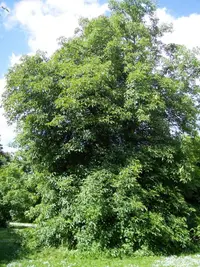
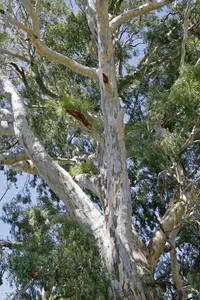
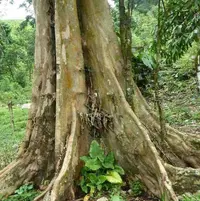
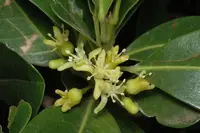
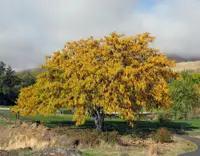
Chinese soapberry (Sapindus mukorossi) is a medium to large deciduous tree valued for its round, yellow-brown fruits that contain natural soap-like compounds. It forms a broad crown with dense foliage, making it suitable as a shade tree in warm climates.
This species is native to the foothills of the Himalayas and parts of South and East Asia, where it grows in subtropical to warm temperate conditions. The fruits are often used for gentle cleaning, which attracts interest from eco-conscious gardeners.
Sapindus mukorossi prefers sunny sites, moderately moist but well-drained soil, and protection from severe frost. It suits growers who can provide outdoor space, steady warmth, and are ready to learn how to care for Chinese soapberry from a young stage.

Care Difficulty
Moderate Care

Light Preference
Full Sun

Water Requirements
Moderate Water

Temperature Preference
Warm Climate

Hardiness Zone
8–11

Soil Texture
Sandy, Loamy, Organic-rich

Soil pH
Slightly acidic (6.5–7.0), Slightly alkaline (7.0–7.5)

Soil Drainage
Well-drained

Fertilization
Minimal (feed rarely)
Scan your plant to receive care tips personalized for your specific plant
Available on iOS and Android
This sun-loving tree thrives in bright, open sites with plenty of direct light.
This species prefers evenly moist but not saturated soil, especially during establishment.
This subtropical tree grows best in warm climates with mild winters and hot summers.
Humidity is not a critical factor for Chinese soapberry, which handles a wide range of ambient levels.
Soil for Sapindus mukorossi should be loose, well drained, and only moderately fertile.
This species can be grown in containers for several years, especially in cooler climates where in-ground planting is limited.
This species grows in relatively poor soils but benefits from light, balanced feeding in cultivation when part of broader Sapindus mukorossi plant care.
Pruning is mainly used to manage size and remove weak wood on Sapindus mukorossi.
This tree is usually grown in the ground, so management focuses on transplanting young specimens rather than frequent repotting.
New plants are mostly raised from seed, which can germinate slowly without pretreatment.
Established trees have moderate cold tolerance but young plants benefit from some winter protection.

Plant Health Check
Not sure what's wrong with your plant? Check your plant's health inside the app.
The fruits contain high levels of triterpenoid saponins, compounds that create a stable foam in water and act as a natural surfactant, which is why the dried shells have been used for washing textiles and hair for centuries.
Aqueous extracts from the fruit pulp can repel some agricultural insect pests, and research has explored these saponins as biodegradable alternatives to synthetic insecticides in crop protection.
This species has been studied for its ability to tolerate and accumulate certain heavy metals in its tissues, suggesting potential use in phytoremediation, the use of plants to help clean contaminated soils.

In parts of the Himalayan foothills, long-lived trees of this species form characteristic components of traditional agroforestry systems, where families manage the same soapberry trees for several generations, harvesting the fruits as a stable, low-input source of natural detergent and supplementary income.
Young trees grow moderately, often 30–60 cm per year under good conditions. They usually need 8–10 years to become a small to medium tree capable of producing significant fruit and shade.
Keep your plants happy and healthy with plant identification, disease detection, and easy care guidance.