Root zone protection
Maintain a wide mulch ring 5–10 cm deep out to the drip line to keep roots cool, conserve moisture, and protect the shallow root system from mower and string trimmer damage.

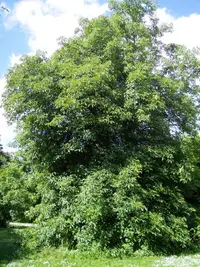
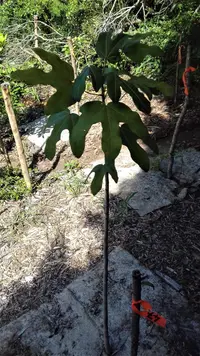
Ohio buckeye (Aesculus glabra) is a small to medium-sized deciduous tree valued for its distinctive palmate leaves and showy spring flower clusters. It usually develops a rounded crown and produces spiny husks containing glossy brown seeds known as buckeyes.
This species is native to central and eastern North America, often found along streams, in bottomlands, and in rich woodlands. It grows best in full sun to light shade, with evenly moist, well-drained soil.
Growth is moderate, but the tree can drop leaves early in hot, dry conditions, which some gardeners find messy. Understanding how to care for Ohio buckeye helps manage its leaf drop, size, and space needs in landscapes.

Care Difficulty
Moderate Care

Light Preference
Full Sun

Water Requirements
Moderate Water

Temperature Preference
Cold Hardy

Hardiness Zone
3–7

Soil Texture
Loamy, Clay, Organic-rich

Soil pH
Acidic (5.5–6.5), Slightly acidic (6.5–7.0)

Soil Drainage
Moist but well-drained

Fertilization
Minimal (feed rarely)
Scan your plant to receive care tips personalized for your specific plant
Available on iOS and Android
This large deciduous tree prefers bright outdoor conditions with some protection from harsh afternoon sun.
This species prefers consistently moist, deep soil but does not tolerate standing water.
This hardy deciduous tree is adapted to temperate climates with cold winters and warm summers.
This species is adaptable and does not have demanding humidity needs in most outdoor settings.
This tree prefers deep, moist, well-aerated mineral soil to support its extensive root system.
This species is generally unsuited to long-term container culture, except for short-term growth of young specimens.
This native tree usually grows well in average soil, so fertilizing Aesculus glabra is modest and targeted.
Pruning Aesculus glabra is mainly corrective, aimed at safety, structure, and long-term health.
This tree is rarely kept in containers; care focuses on transplanting young Aesculus glabra from nursery pots into the landscape.
Propagation of Aesculus glabra is usually done from seed rather than vegetative methods.
This species is fully cold hardy in its native range and generally needs minimal winter care outdoors.

Plant Health Check
Not sure what's wrong with your plant? Check your plant's health inside the app.
The yellow‑green flowers often emit a strong, unpleasant odor, which attracts certain pollinating insects that are less drawn to sweet floral scents.
The shiny brown nuts, commonly called buckeyes, contain poisonous compounds such as aesculin and should not be eaten by humans or livestock when raw.
In the wild, this species often grows as an understory or edge tree in moist deciduous forests, tolerating partial shade better than many other buckeyes.
The name Ohio buckeye became a symbol of the state during the 19th century, and the tree is now officially recognized as Ohio’s state tree, with the nuts inspiring the nickname Buckeyes for residents and the state university’s athletic teams.
Brown, crispy leaf edges usually come from drought stress, hot drying winds, high salt or fertilizer levels, or reflected heat. Check soil moisture, mulch the root zone, reduce salt exposure, and water deeply but not constantly.
Keep your plants happy and healthy with plant identification, disease detection, and easy care guidance.