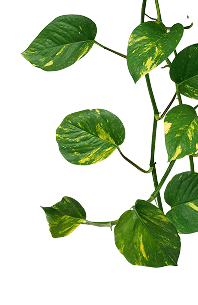
litsea Care (Litsea cubeba)

Also known as: Mountain pepper, Fragrant Litsea
litsea

About litsea

Litsea cubeba is an evergreen tree or large shrub from the laurel family, valued mainly for its aromatic leaves and small, pepper-like fruits. It is native to subtropical and tropical regions of East and Southeast Asia, where it often grows in mountain forests and along slopes.

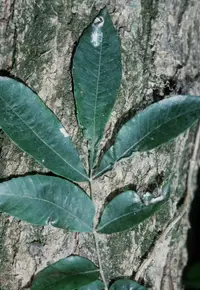
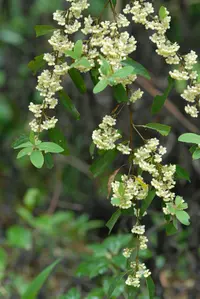
The plant has simple, glossy green leaves and bears clusters of tiny pale flowers followed by round fruits rich in essential oils. It is generally fast-growing and can be easy to manage in warm climates, provided it receives good light, regular moisture, and well-drained soil. Understanding how to care for litsea starts with knowing it prefers mild, frost-free conditions and protection from harsh, drying winds.

Main Plant Requirements

Care Difficulty

Moderate Care

Light Preference

Full Sun

Water Requirements

Moderate Water

Temperature Preference

Tropical / Frost Sensitive

Hardiness Zone

10–11

Soil Texture

Sandy, Loamy, Organic-rich

Soil pH

Acidic (5.5–6.5), Slightly acidic (6.5–7.0)

Soil Drainage

Moist but well-drained

Fertilization

Minimal (feed rarely)

Get Personalized Care Plan

Scan your plant to receive care tips personalized for your specific plant

Available on iOS and Android

How to Care for the litsea

This evergreen tree prefers bright conditions with some protection from harsh sun.

  • Provide 4–6 hours of direct morning sun plus bright, filtered light in the afternoon for balanced growth.
  • Tolerates light partial shade, but dense shade reduces flowering and leaf density over time.
  • In hot summers, shield from intense sun between 12–4 p.m. to prevent leaf scorch, and in winter ensure an open position so short days still deliver strong light.

This species prefers consistently moist but not waterlogged soil.

  • Water when the top 3–5 cm of soil feel dry, allowing deeper soil to stay slightly damp for Litsea cubeba roots.
  • Ensure free-draining, loamy soil; standing water or heavy clay greatly increases risk of root rot and yellowing leaves.
  • Increase watering frequency in hot, windy weather; in cool seasons, reduce volume and watch for drooping, crisp leaves (too dry) or soft, yellow leaves (too wet).

This subtropical tree grows best in mild, frost-free conditions.

  • Aim for 65–80°F (18–27°C) for active growth, with steady temperatures and shelter from strong, drying winds.
  • Short dips to about 40°F (4°C) may be tolerated once established, but repeated exposure slows growth and increases stress.
  • Protect from frost below 32°F (0°C) and from extreme heat above 95°F (35°C) with shade and mulching, especially during dry summer periods.

This species prefers moderate atmospheric moisture and usually manages well in typical home conditions.

  • Aim for 40–60% humidity; sustained levels below 30% can slow growth and cause leaf-edge browning.
  • Tolerates short dry-air spells, but prolonged heating or air conditioning can increase leaf drop and tip scorch.
  • Increase humidity with a nearby water tray or grouped plants rather than misting, which offers only brief relief and may encourage foliar disease.

Litsea cubeba grows best in loose, well-aerated mineral-organic soil that drains freely yet retains some moisture.

  • Use a loamy mix built from roughly 50% high-quality compost or leaf mold, 30–40% sharp sand, and 10–20% perlite or pumice for structure and drainage.
  • Target a slightly acidic to neutral pH of about 6.0–7.0, avoiding highly alkaline substrates that can limit nutrient availability and cause chlorosis.
  • Ensure the mix crumbles easily in the hand; compact, heavy, or smearable soil restricts root aeration and predisposes the plant to root rot.
  • Improve drainage in marginal conditions by raising planting areas and avoiding fine peat-only mixes that stay waterlogged after rain or irrigation.

This tree can be grown in containers when managed carefully for root space and stability.

  • Select a deep, heavy pot that resists tipping, as woody top growth becomes increasingly top-heavy in wind-exposed positions.
  • Choose a container material with moderate porosity, such as thick-walled terracotta or ceramic, to buffer moisture swings in warm weather.
  • Leave a 3–5 cm gap below the rim for clean watering, preventing runoff that carries fine particles and gradually clogs the drainage profile.

This aromatic tree responds well to modest, balanced feeding in active growth.

  • Use a balanced slow-release fertilizer or organic compost once in early spring for container-grown Litsea cubeba.
  • For additional feeding, apply a diluted liquid fertilizer at 1/2 strength every 4–6 weeks through late summer.
  • Avoid fertilizing in late fall and winter, when growth slows and roots are less active.
  • Water before and after feeding to prevent root burn and help nutrients move into the root zone.

Thoughtful pruning keeps Litsea cubeba healthy, safe to handle, and well-shaped.

  • Plan main pruning for late winter or very early spring before strong new growth begins.
  • Remove dead, diseased, crossing, or storm-damaged branches with sharp, clean bypass pruners or a pruning saw.
  • Thin congested interior shoots to improve airflow and light penetration, shaping an open, balanced crown.
  • Limit heavy cuts; reduce long shoots gradually over 2–3 seasons to minimize stress and excessive suckering.

This species is usually grown in the ground, so care focuses on transplanting young trees correctly.

  • Transplant in early spring or early fall, when heat and drought stress are lower and roots can re-establish.
  • Choose a site with well-drained soil and full sun to light shade, matching the eventual mature size of the tree.
  • Move plants when roots circle the pot, growth slows, or the root ball dries out very quickly between waterings.
  • Dig a wide hole, keep the root flare at soil level, backfill with native soil, water deeply, and mulch to limit transplant shock.

New Litsea cubeba plants are most often raised from seed, with cuttings used less frequently.

  • Collect ripe fruits, clean the seeds, and sow them fresh; viability drops if they dry out too long.
  • Sow seeds in a free-draining, slightly acidic mix, then keep evenly moist at 68–77°F for steady germination.
  • Take semi-ripe cuttings in late spring or early summer, using 1–2 nodes from non-flowering shoots.
  • Apply rooting hormone, insert cuttings into a coarse, moist medium, and maintain high humidity with bright, indirect light.

This tree prefers mild, frost-free climates and benefits from simple winter protection where freezes occur.

  • In regions with frost below about 25°F, site trees in a sheltered position away from cold winds.
  • Apply 5–8 cm of organic mulch around the root zone, keeping it clear of the trunk to reduce rot risk.
  • For young or potted plants, move containers into a bright, cool indoor space or unheated greenhouse during hard freezes.
  • Avoid heavy winter watering; keep soil just barely moist to prevent root rot in cold conditions while caring for litsea.

Care Tips

Wind-firm training

In the first 2–3 years, stake young plants and gradually loosen ties each season so the trunk develops taper and flexibility that can withstand strong winds without snapping.

Essential-oil pruning

Time any light harvest pruning for essential-oil use to late morning on a dry day, and immediately remove pruned material from the area to reduce fungal pressure and sap-sucking insects attracted to fresh cuts.

Root-zone mulching

Maintain a 5–8 cm ring of coarse organic mulch over the root zone, leaving 5–8 cm bare around the trunk, to keep shallow feeder roots cool and moist while preventing collar rot.

Calcium and magnesium monitoring

On acidic soils, apply dolomitic lime according to soil test results every 2–3 years to support steady calcium and magnesium levels that improve leaf quality and aroma consistency.

Seasonal canopy thinning

In humid or rainy climates, thin crowded interior branches at the end of the dry season so air can move through the canopy, which helps reduce leaf spot and anthracnose when growing litsea in production plantings.

Common Pests and Diseases

Leaf spot

This disease causes circular to irregular brown or dark lesions on leaves, sometimes with yellow halos and premature leaf drop. Symptoms include heavier damage on older foliage and in prolonged warm, wet weather.

Solution

Remove and destroy heavily spotted leaves to reduce inoculum, and avoid overhead irrigation so foliage dries quickly. Improve spacing and airflow around plants, keep the canopy pruned lightly, and if conditions stay very wet consider a targeted copper- or mancozeb-based fungicide labeled for woody ornamentals, following local guidelines for Litsea cubeba care.

Anthracnose

This disease produces sunken, dark, and sometimes angular lesions along veins or leaf edges, and may cause twig dieback on young shoots. Symptoms include increased damage during extended periods of rain or high humidity.

Solution

Prune out and discard affected twigs and leaves, disinfecting pruning tools between cuts, and keep the area beneath trees free of fallen debris. Improve canopy ventilation through careful thinning and, in high-value plantings or repeated outbreaks, apply a suitable systemic or protectant fungicide in early wet seasons according to label directions.

Scale insects

These insects attach firmly to stems and leaves as small bumps and feed on sap, leading to yellowing foliage, weakened growth, and sticky honeydew that encourages sooty mold. This pest often builds up on sheltered inner branches and can be overlooked until populations are high.

Solution

Physically remove light infestations by gently scraping with a soft brush or wiping with a cloth dipped in dilute soapy water, then rinse foliage. For heavier infestations, use horticultural oil or a systemic insecticide labeled for woody trees, applied during crawler (juvenile) stages and repeated as directed to break the life cycle when growing litsea.

Leaf miners

These insects feed inside the leaf tissue, creating winding, pale tunnels that reduce photosynthetic area and make foliage unattractive. Symptoms include distorted young leaves and reduced vigor on heavily attacked saplings or nursery plants.

Solution

Prune and dispose of leaves showing fresh mines to remove larvae before they mature, and encourage natural predators by avoiding broad-spectrum insecticides. On young or high-value plants, apply a systemic insecticide or a targeted product such as spinosad at the early stages of new leaf flush, according to label instructions.

Canker

This disease causes sunken, discolored lesions on branches or the trunk, sometimes with cracking bark and dieback beyond the infected area. Symptoms include wilting of leaves on affected limbs while the rest of the tree appears relatively healthy.

Solution

Prune out infected branches at least 10–15 cm below visible symptoms and dispose of them away from healthy trees, disinfecting tools between cuts. Reduce plant stress by providing consistent watering in dry periods, mulching to protect roots, and avoiding trunk wounds; in orchards or plantations, monitor regularly and remove severely affected trees to prevent spread.

Interesting Facts

Citrus-scented essential oil

The small fruits and leaves of this species are rich in citral, a lemon-scented compound that makes its essential oil a common natural fragrance in soaps, detergents, and cosmetics.

Host for wild yeast

The surface of its fruits naturally carries certain wild yeasts used in traditional fermented foods and beverages in parts of East and Southeast Asia, where the fruits are sometimes added to aid natural fermentation.

Specialized montane habitat

Litsea cubeba typically grows in humid, montane forests at mid to high elevations in subtropical Asia, where it forms part of the understory tree layer and helps support insect and bird diversity through its flowers and fruits.
Botan icon

Did you know?

In several Asian cuisines, especially in southwestern China, the dried fruits of this species are used as a distinct lemony spice known as maqaw or mountain pepper, contributing a sharp citrus aroma that differs from both true pepper and citrus peels.

FAQs about litsea

Growth is moderately fast. In warm, suitable climates, this plant can add 30–60 cm per year and eventually form a small tree 3–7 m tall, depending on pruning, soil quality, and water availability.

Grow Healthy Plants with Botan Care

Keep your plants happy and healthy with plant identification, disease detection, and easy care guidance.

Botan plant care app — identify plants on mobile

Explore More Plants