African Baobab Care (Adansonia digitata)

Also known as: baobab, Upside-down Tree, Africa's Upside-Down, Boabab, Cream-Of-Tartar-Tree, Creme-Of-Tartar Tree, Lemonade Tree, Monkeybread, Tartaric Acid Tree
African Baobab

About African Baobab

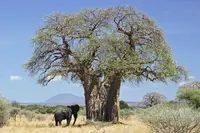
The African baobab, Adansonia digitata, is a long-lived tree native to the dry savannas of sub-Saharan Africa and parts of Madagascar and Arabia. It is known for its massive swollen trunk, sparse crown, and leafless appearance during the dry season.

In nature it can reach huge sizes, but in pots it grows slowly and stays compact, making it suitable for experienced container growers. This species stores water in its trunk and prefers bright light, very well-drained soil, and careful watering.

Understanding how to care for African Baobab starts with respecting its adaptation to drought, seasonal leaf drop, and a pronounced rest period in cooler, drier months.

Main Plant Requirements

Care Difficulty

Moderate Care

Light Preference

Full Sun

Water Requirements

Low Water

Temperature Preference

Tropical / Frost Sensitive

Hardiness Zone

10–12

Soil Texture

Sandy, Loamy, Rocky

Soil pH

Slightly acidic (6.5–7.0), Neutral (7.0)

Soil Drainage

Well-drained

Fertilization

Minimal (feed rarely)

Get Personalized Care Plan

Scan your plant to receive care tips personalized for your specific plant

Available on iOS and Android

How to Care for the African Baobab

This species needs strong, direct light to develop a sturdy trunk and healthy canopy.

  • Provide 6–10 hours of full sun daily; young trees benefit from morning sun with some light afternoon shade in very hot regions.
  • Mature African Baobab trees tolerate intense, all-day sun but may show leaf scorch if suddenly moved from shade to high exposure.
  • In cooler seasons or cloudy climates, choose the brightest, most open site available, as prolonged low light leads to weak, spindly growth and sparse foliage.

This drought-adapted tree prefers deep, infrequent watering and fast-draining soil.

  • Allow the top 5–10 cm of soil to dry fully before watering, then water slowly so moisture reaches the deeper root zone without pooling.
  • During warm active growth, watch leaves for early wilt or dull color as a cue to water; in cool or dormant periods, reduce watering sharply.
  • Ensure sandy or gritty soil with excellent drainage; yellowing, soft leaves or a swollen, mushy root collar indicate overwatering, while crisp leaf edges suggest underwatering.

This tree thrives in warm, frost-free conditions and reacts poorly to cold and sudden temperature drops.

  • Aim for 75–95°F (24–35°C) during active growth; brief peaks to 100°F (38°C) are tolerated if soil is not waterlogged.
  • Protect Adansonia digitata from temperatures below 40°F (4°C); foliage damage often starts near this point, and hard frost can kill young plants.
  • In regions with cool winters, growth slows or stops below about 65°F (18°C); keep it as warm, bright, and dry as possible through colder months to prevent stress.

Humidity is not a critical factor for Adansonia digitata, which is adapted to very dry air.

This species needs very fast-draining, mineral-rich soil to prevent root rot in containers.

  • Use a sandy, gritty mix such as 50–60% coarse sand or fine gravel with 40–50% cactus potting mix.
  • Aim for slightly acidic to neutral pH around 6.0–7.5, avoiding strongly acidic or salty substrates.
  • Increase aeration by adding pumice or perlite rather than peat, which holds too much water around roots.
  • Avoid compacted, clay-heavy, or water-retentive mixes that stay wet for more than 1–2 days after watering.

This species can be grown in containers long term if root space and drainage are carefully managed.

  • Choose a wide, relatively shallow pot to accommodate the swelling caudex and prevent tipping as the trunk thickens.
  • Select unglazed terracotta to allow faster evaporation where overwatering risk is higher than underwatering risk.
  • Secure tall plants with a heavy pot base or top-dressing gravel to counteract wind and top-heavy growth outdoors.

Adansonia digitata grown in containers benefits from light, infrequent feeding during active growth.

  • Use a balanced, low-salt liquid fertilizer at 1/4–1/2 strength or a mild slow-release product in spring.
  • Feed every 4–6 weeks while new leaves and shoots are developing, then taper off by late summer.
  • Avoid organic compost-heavy mixes in pots, which can stay too wet and encourage root problems.
  • Do not feed during cool dormant periods; resume only when consistent warm growth restarts.

Pruning Adansonia digitata is mainly for structure, safety, and health rather than forcing heavy regrowth.

  • Carry out any shaping or corrective cuts in late winter to early spring before strong growth resumes.
  • Remove dead, diseased, crossing, or crowded branches, keeping the central framework open to light and air.
  • Use clean, sharp bypass pruners or a fine pruning saw to make smooth cuts just outside the branch collar.
  • Limit heavy canopy reduction; light, thoughtful pruning maintains form without stressing the tree.

Container-grown baobab and young field plants handle infrequent, careful transplanting best.

  • Repot or transplant when roots circle the pot, emerge from drainage holes, or top growth slows despite good care.
  • Plan moves for late spring to early summer, when soil is warm and the tree is in active growth.
  • Typically shift containers every 2–3 years into a pot only 2–5 cm wider, using fast-draining, gritty mix.
  • Minimize root disturbance, keep the rootball intact, water once to settle soil, then let the mix dry slightly between waterings.

Most home propagation of Adansonia digitata relies on seeds, as vegetative methods are less reliable.

  • Sow fresh, viable seed in late spring to early summer when bottom heat and light are strong.
  • Scarify hard seed coats gently with sandpaper or a brief hot-water soak to improve germination.
  • Use a sterile, very well-drained mix, keep temperature around 75–85°F, and maintain slightly moist, not wet, conditions.
  • Provide strong light after emergence and avoid overwatering to prevent damping-off, a fungal seedling disease.

Baobab is highly frost-sensitive and needs strict winter protection in most temperate regions.

  • Keep temperatures above 50°F; even brief frost can damage or kill stems and roots.
  • Move container plants indoors to a bright, cool room before night temperatures fall below 55°F.
  • Water lightly during dormancy, letting the mix dry almost completely between sips to avoid root rot.
  • In mild climates, a deep, dry mulch over the root zone helps buffer short cool spells.

Care Tips

Root-pruning routine

In containers, inspect roots every 1–2 years and lightly root-prune the outer 1–2 cm while repotting to keep the plant compact and prevent it from becoming root-bound too quickly.

Trunk fattening strategy

To encourage a thicker caudex, use a slightly wider, shallow pot and gradually increase light and airflow, but keep watering conservative so the plant invests more in trunk tissue than in fast, lanky shoot growth.

Seasonal leaf removal

At the start of dormancy, remove any diseased or heavily pest-damaged leaves before they drop to reduce overwintering pest populations and fungal spores in the pot and nearby area.

Dry-season simulation

Once the plant has fully dropped its leaves in the cool, dry season, keep it in a bright, frost-free spot and withhold water almost entirely until clear signs of new bud swelling appear.

Wind-hardening practice

If planning to grow African Baobab outdoors in warm climates, gradually expose young plants to increasing wind over several weeks to develop stronger, more flexible stems that resist breakage.

Common Pests and Diseases

Powdery mildew

This disease causes white to gray, powdery fungal growth on young leaves, shoots, and sometimes fruits, especially in warm, dry conditions with poor air movement.

Solution

Prune to improve airflow through the canopy, avoid overhead watering, and remove heavily infected leaves or shoots. For valuable specimens, apply a sulfur or potassium bicarbonate fungicide labeled for powdery mildew, following directions carefully and treating early when the first pale spots appear as part of broader Adansonia digitata plant care.

Leaf spot

This disease produces small brown to dark spots on leaves that may expand, yellow, and cause premature defoliation in humid or rainy weather.

Solution

Collect and destroy fallen leaves, avoid wetting foliage when watering, and improve spacing and airflow around the plant. In persistent or severe cases, use a copper-based fungicide during the early stages of infection and reduce overhead irrigation to limit spread.

Fruit and stem canker

This disease causes sunken, dark, and sometimes cracked lesions on young stems, branches, or developing fruits, which can weaken or distort affected parts.

Solution

Prune out affected twigs and small branches back into healthy wood, disinfecting tools between cuts. Keep the plant stress-free with proper watering and avoid wounding the bark; in wet climates, targeted use of a copper fungicide around pruning or injury sites can help reduce new infections.

Scale insects

These insects attach to stems and leaf petioles as small, rounded or oval bumps, sucking sap and excreting sticky honeydew that can lead to sooty mold growth.

Solution

Wipe or gently scrub infested areas with a soft cloth or brush dipped in mild soapy water, and repeat weekly until numbers drop. For heavier infestations, use a horticultural oil spray to smother the insects, ensuring thorough coverage of stems and branch crotches, and monitor regularly for reinfestation.

Longhorn borers

This pest consists of beetle larvae that tunnel into trunks and larger branches, causing internal galleries, sawdust-like frass, dieback, and structural weakening.

Solution

Inspect the trunk and main branches regularly for fresh exit holes or frass, and remove and destroy badly infested limbs. Maintain a vigorous, unstressed tree through proper watering and nutrition, protect the bark from mechanical damage, and where borers are common, consider trunk banding or targeted systemic treatments recommended by a local arborist for high-value specimens.

Interesting Facts

Upside‑down appearance

The baobab often looks leafless with thick branches resembling roots, which is why it is commonly called the upside‑down tree. This appearance comes from its long dry-season leaf drop combined with a massive, bottle-shaped trunk and stubby crown.

Water-storing trunk

This species has a spongy, fibrous wood that can store large amounts of water in its trunk and branches, an adaptation to extremely seasonal, semi-arid climates. The bark and wood swell in the rainy season and slowly contract as stored water is used during prolonged drought.

Long-lived ecosystem hubs

Individual trees can live for many centuries, forming hollow trunks and large cavities that shelter animals and sometimes people. Their flowers, leaves, and nutrient-rich fruit support insects, bats, birds, and mammals, making each tree a small, self-contained habitat.

Botan icon

Did you know?

Radiocarbon dating studies have shown that some African baobab trees exceed 1,000 years in age, and a few monumental individuals are estimated to be more than 2,000 years old, making them among the oldest known flowering trees on Earth.

FAQs about African Baobab

Growth is slow to moderate. Young trees may add about 10–30 cm per year in pots, sometimes more in warm climates with a long growing season. In cooler regions, expect much slower extension growth and thicker trunk development instead.

Grow Healthy Plants with Botan Care

Keep your plants happy and healthy with plant identification, disease detection, and easy care guidance.

Botan plant care app — identify plants on mobile

Explore More Plants