


Pinch For Bushiness
Pinch out the soft tips of new stems every 3–4 weeks during active growth to encourage denser branching and more flowering surfaces instead of long, floppy shoots.

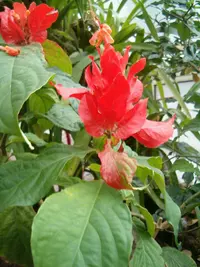
Peruvian wild petunia (Ruellia chartacea) is a tropical flowering perennial known for its soft, slightly trailing stems and showy tubular blooms in pink to reddish tones. It is grown mainly as an ornamental foliage and flower plant in warm climates or as a container plant in bright indoor spaces.
In its native range in South America, it grows in warm, humid forest edges and partially shaded areas. This background makes it generally adaptable but happier in stable, mild conditions.
The plant prefers bright, indirect light, evenly moist but not waterlogged soil, and good drainage. With suitable light and consistent moisture, it stays relatively easy to manage, so learning how to care for Peruvian wild petunia mainly involves providing warmth and avoiding soggy soil.

Care Difficulty
Moderate Care

Light Preference
Partial Shade

Water Requirements
Regular Water

Temperature Preference
Tropical / Frost Sensitive

Hardiness Zone
10–11

Soil Texture
Loamy, Sandy, Organic-rich

Soil pH
Acidic (5.5–6.5), Slightly acidic (6.5–7.0)

Soil Drainage
Moist but well-drained

Fertilization
Light (every 4–6 weeks)
Scan your plant to receive care tips personalized for your specific plant
Available on iOS and Android
This species prefers bright, gentle light to support compact growth and flowering.
Ruellia chartacea prefers consistently moist but not waterlogged soil.
This plant favors warm, stable conditions with no exposure to frost.
This species benefits from moderately moist air but adapts to typical indoor humidity.
Ruellia chartacea prefers a loose, moisture-retentive yet free-draining substrate.
This species grows well in containers when given stable, well-drained conditions.
Ruellia chartacea responds well to modest, consistent feeding during the warm growing season.
Ruellia chartacea benefits from light, targeted pruning to maintain a compact, flowering shape.
This species handles transplanting well when moved thoughtfully at the right time.
This plant is commonly propagated from stem cuttings and by division for reliable cloning of desired forms.
Ruellia chartacea is frost-sensitive and needs thoughtful winter management in regions with cold temperatures.

Plant Health Check
Not sure what's wrong with your plant? Check your plant's health inside the app.
This species has noticeably winged, four-angled stems with thin green flanges running down the sides, a feature that helps distinguish it from many other ornamental Ruellia species with round stems.
In its native western Amazon range, its long, tubular pink to rose flowers are mainly pollinated by hummingbirds, which can easily access the nectar with their slender beaks while transferring pollen between plants.
Ruellia chartacea naturally grows as an understory herb in moist, partially shaded tropical forests, which explains its preference for bright indirect light and tolerance of lower light compared with many sun-loving ornamentals.
This species is very attractive to hummingbirds, butterflies, and various bees, which visit the tubular flowers for nectar. It works well in wildlife-friendly gardens and can help support local pollinator populations through the warm season.
Keep your plants happy and healthy with plant identification, disease detection, and easy care guidance.

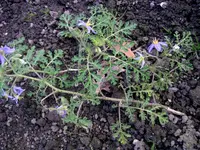
watermelon nightshade
Solanum citrullifolium
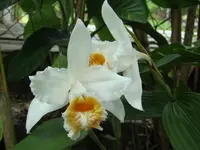
Sobralia chrysostoma
Sobralia chrysostoma
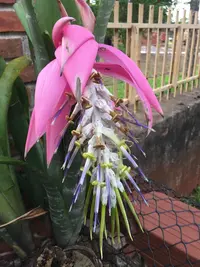
Billbergia zebrina
Billbergia zebrina
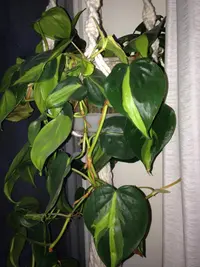
Philodendron
Philodendron hederaceum var. oxycardium 'Brasil'
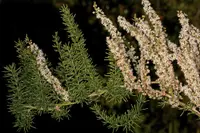
Sprenger's asparagus
Asparagus aethiopicus
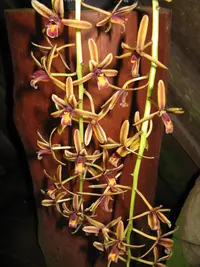
Finlayson's Cymbidium
Cymbidium finlaysonianum
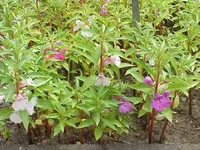
Garden balsam
Impatiens balsamina
the trumpet player's Schomburgkia
Myrmecophila tibicinis