Cliff Spurflower Care (Plectranthus purpuratus)

Cliff Spurflower

About Cliff Spurflower

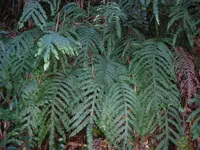
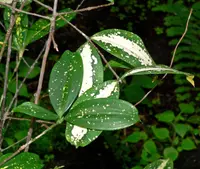
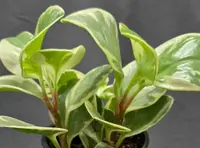
Cliff spurflower, Plectranthus purpuratus, is a soft, spreading perennial often grown as a houseplant or in shaded outdoor containers. It forms a low mound of fleshy, aromatic leaves with softly scalloped edges and a slightly fuzzy surface.

The foliage is usually deep green above with purplish tones on the undersides, giving the plant its ornamental appeal. Short spikes of small, tubular flowers may appear in suitable conditions but are usually secondary to the leaves.

This species comes from rocky, shaded habitats in southern Africa, so it typically prefers bright, indirect light, moderate moisture, and well-drained soil. Its forgiving nature and quick recovery from minor neglect make it relatively simple to care for Cliff Spurflower.

Main Plant Requirements

Care Difficulty

Easy Care

Light Preference

Bright Indirect Light

Water Requirements

Moderate Water

Temperature Preference

Tropical / Frost Sensitive

Hardiness Zone

10–11

Soil Texture

Loamy, Sandy, Organic-rich

Soil pH

Acidic (5.5–6.5), Slightly acidic (6.5–7.0)

Soil Drainage

Moist but well-drained

Fertilization

Light (every 4–6 weeks)

Get Personalized Care Plan

Scan your plant to receive care tips personalized for your specific plant

Available on iOS and Android

How to Care for the Cliff Spurflower

This plant prefers bright, indirect light with some protection from harsh midday sun.

  • Provide 4–6 hours of bright, filtered light daily; morning sun with afternoon shade suits Cliff Spurflower best, especially in warmer regions.
  • Outdoors, site it in dappled shade under taller plants or trees; indoors, place near an east or bright north window, avoiding hot west-facing glass.
  • Too little light causes leggy, pale growth, while strong direct midday sun can scorch leaves; increase shade in summer and move closer to light in winter.

This species prefers evenly moist but never waterlogged soil.

  • Water when the top 2–4 cm of soil feels dry, using finger testing instead of a fixed schedule to account for changing conditions.
  • In spring and summer, expect more frequent watering as growth is active; reduce frequency in fall and winter while still preventing complete drying out.
  • Signs of overwatering include limp, yellowing leaves and a sour soil smell; underwatering shows as wilting and crisp edges, so use a well-draining mix to protect roots.

This plant grows best in mild, frost-free conditions.

  • Ideal growth occurs at 65–80°F (18–27°C), where Plectranthus purpuratus keeps dense foliage and steady shoot development.
  • Protect it from temperatures below 50°F (10°C); light chill slows growth and anything near 32°F (0°C) risks tissue damage or death.
  • In hot spells above 85°F (29°C), give extra shade and airflow to reduce heat stress, and avoid placing it near heat sources or cold drafts in any season.

This species handles typical indoor humidity but grows best with moderately moist air.

  • Aim for 40–60% humidity, which most heated and cooled homes already provide.
  • Leaves may curl, feel crispy at edges, or drop prematurely in very dry air, especially near heating vents.
  • Increase humidity by grouping plants, placing the pot on a pebble tray with water below the base, or moving the Cliff Spurflower away from strong drafts.

Use a loose, airy mix that drains quickly yet holds some moisture for Plectranthus purpuratus.

  • Choose a peat- or coco-based potting mix amended with 20–30% perlite for extra drainage and root aeration.
  • A slightly acidic to neutral pH around 6.0–7.0 suits this species and supports nutrient uptake.
  • Mix in a small amount of fine bark or compost to provide organic matter without making the substrate heavy or compacted.
  • Avoid dense garden soil, poorly drained mixes, or pots that stay wet for days, which encourages root rot and stem collapse.

This species is well suited to container growing both indoors and outdoors in mild climates.

  • Select a wide, shallow to medium-depth pot to accommodate its spreading habit and prevent the center from staying soggy.
  • Use containers with multiple or large drainage holes so water exits rapidly instead of pooling at the base.
  • In warm climates, choose a heavier ceramic pot outdoors to stabilize the plant and slow moisture loss compared with thin plastic.

This plant benefits from light, steady feeding during active growth but does not need heavy fertilization.

  • Use a balanced liquid fertilizer (such as 10-10-10 or 20-20-20) diluted to 1/4–1/2 strength for Cliff Spurflower.
  • Feed every 3–4 weeks in spring and summer when growth is strongest.
  • Pause or reduce feeding to once in 6–8 weeks in fall and winter, especially in low light.
  • Organic options like diluted compost tea or a mild slow-release fertilizer can support foliage without salt buildup.

Pruning helps keep Plectranthus purpuratus compact, bushy, and productive.

  • Carry out main shaping in late winter or early spring before vigorous new growth begins.
  • Pinch or trim soft shoot tips to encourage branching and a fuller, trailing form.
  • Remove dead, damaged, or very leggy stems back to healthy nodes using clean, sharp scissors or snips.
  • Light thinning of crowded stems improves airflow and can support better flowering and overall vigor.

This species grows well in containers and benefits from occasional repotting to refresh soil and root space.

  • Check for roots circling the pot, pushing through drainage holes, or slowed growth as signs it needs more space.
  • Plan to repot every 1–2 years in spring, just as new growth starts, using a well-drained, peat-free potting mix.
  • Move up only 1 pot size and handle roots gently, loosening tight circles but avoiding heavy root cutting.
  • Water thoroughly after repotting, then keep the plant slightly shaded and evenly moist for 1–2 weeks to reduce transplant stress.

New plants are most often produced from softwood stem cuttings rather than seed.

  • Take 7–10 cm non-flowering stem cuttings in late spring or summer from healthy Plectranthus purpuratus shoots.
  • Remove lower leaves, leaving 2–3 pairs at the tip, and insert cuttings into moist, free-draining mix or perlite.
  • Maintain bright, indirect light, high humidity, and temperatures around 65–75°F until roots form in 2–4 weeks.
  • Once rooted, pot cuttings individually and gradually reduce humidity while keeping the mix lightly moist.

This plant is frost sensitive and needs protection in regions with cold winters.

  • In climates below 40°F, grow in containers and move indoors before the first frost date.
  • Provide bright, indirect indoor light and cooler, stable temperatures around 60–68°F over winter.
  • Reduce watering so the top of the mix dries slightly between waterings, avoiding both soggy and bone-dry soil.
  • Remove any frost-damaged growth with clean tools in late winter, once temperatures stabilize.

Care Tips

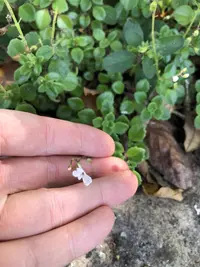
Pinch To Compact

Pinch back soft shoot tips every 3–4 weeks during active growth to keep plants dense, reduce legginess, and encourage more branching and flowering.

Refresh Woody Stems

If stems become woody and sparse at the base, cut them back by 1/3 in early spring and use soft, healthy tip cuttings to restart fuller plants in fresh pots.

Easy Stem Propagation

Root 8–10 cm non-flowering stem cuttings in plain water or a very light mix, then replant several rooted cuttings together in one pot to create an instant, bushy specimen.

Rotate Hanging Plants

For plants in hanging baskets, rotate the container 1/4 turn every 1–2 weeks so trailing stems receive light more evenly and do not grow strongly to only one side when growing Cliff Spurflower.

Monitor For Mites

Inspect the undersides of leaves regularly for fine webbing or pale stippling, and at the first sign of spider mites, rinse foliage under a gentle shower and follow with a labeled insecticidal soap treatment if needed.

Common Pests and Diseases

Mealybugs

This pest appears as white, cottony clusters in leaf joints, on stems, and sometimes on roots, causing stunted growth and sticky honeydew on leaves or surrounding surfaces.

Solution

Isolate the plant, then wipe or dab visible mealybugs with cotton swabs dipped in 70% isopropyl alcohol and rinse foliage with lukewarm water; repeat weekly until no new insects appear. Improve light and air movement, and for heavier infestations use a neem oil or insecticidal soap spray, making sure to cover the undersides of leaves and stems.

Spider mites

These insects are tiny and often hard to see, but symptoms include fine webbing, dull or stippled leaves, and leaf drop in warm, dry indoor conditions.

Solution

Rinse the plant thoroughly under a gentle shower or sink sprayer, focusing on the undersides of leaves, then increase humidity and avoid very dry air near heaters or vents. For persistent problems use insecticidal soap or a horticultural oil spray every 5–7 days for several cycles, checking and removing heavily damaged foliage.

Aphids

This pest clusters on new shoots and the undersides of leaves, causing distorted growth, sticky honeydew, and sometimes sooty mold on affected areas.

Solution

Wash the plant with a strong but controlled stream of lukewarm water to dislodge insects, then treat remaining colonies with insecticidal soap or neem oil, repeating every 5–7 days as needed. Prune and discard heavily infested soft tips, and avoid overfertilizing, which can produce overly soft growth that attracts aphids.

Botrytis blight

This disease causes soft, water-soaked spots on leaves and stems that develop a gray, fuzzy mold, especially in cool, humid, low-light conditions.

Solution

Remove and discard all affected leaves and stems, then improve airflow, reduce crowding, and avoid wetting the foliage when watering. Allow the top of the potting mix to dry slightly between waterings; in severe cases a fungicide labeled for ornamental plants can be used according to the product directions as part of broader Cliff Spurflower care instructions.

Powdery mildew

This disease appears as white, powdery patches on leaves and stems, leading to yellowing and premature leaf drop when humidity is high but air movement is poor.

Solution

Increase air circulation around the plant, avoid overhead watering, and promptly remove the most affected leaves to reduce spore spread. Apply a potassium bicarbonate, sulfur, or neem-based fungicidal spray labeled for powdery mildew, following label directions and repeating applications until new growth stays clean.

Interesting Facts

Distinctive purple undersides

The leaves have green upper surfaces and deep purple undersides due to high concentrations of anthocyanin pigments, which help protect the plant from excess light and may reduce herbivore damage.

Trailing forest-floor habit

In its native southern African range, this species naturally grows as a low, trailing plant along the forest floor and rocky ledges, where it benefits from bright but filtered light beneath taller vegetation.

Strong aromatic foliage

When the leaves are brushed or crushed, they release a pronounced, resinous aroma produced by oil glands in the leaf tissue, a trait that likely evolved as a defense against herbivores and some microbes.

FAQs about Cliff Spurflower

Lack of blooms often comes from low light, excess nitrogen fertilizer, or old, unpruned stems. Provide bright conditions, use a balanced fertilizer at modest strength, and lightly trim after flowering to encourage new, flower-producing growth.

Grow Healthy Plants with Botan Care

Keep your plants happy and healthy with plant identification, disease detection, and easy care guidance.

Botan plant care app — identify plants on mobile

Explore More Plants