Bredasdorp Haworthia Care (Haworthia mutica)

Bredasdorp Haworthia

About Bredasdorp Haworthia

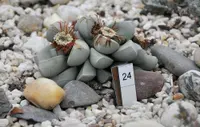
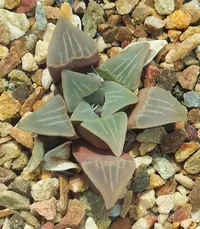
Bredasdorp Haworthia is a compact succulent from South Africa, botanically known as Haworthia mutica. It forms low rosettes of thick, triangular leaves with translucent windowed tips. The leaves often show fine lines or patterns and stay close to the soil surface, giving the plant a neat, architectural look suitable for small pots and indoor collections. In nature, it grows in harsh, sun-exposed habitats, protected by surrounding stones and gritty soil. This background makes it slow-growing but generally tough and forgiving, especially for patient growers. Simple conditions with bright, indirect light, infrequent watering, and very well-drained soil are usually enough to understand how to care for Bredasdorp Haworthia.

Main Plant Requirements

Care Difficulty

Easy Care

Light Preference

Bright Indirect Light

Water Requirements

Low Water

Temperature Preference

Tropical / Frost Sensitive

Hardiness Zone

10–11

Soil Texture

Sandy, Loamy, Rocky

Soil pH

Acidic (5.5–6.5), Slightly acidic (6.5–7.0)

Soil Drainage

Well-drained

Fertilization

Minimal (feed rarely)

Get Personalized Care Plan

Scan your plant to receive care tips personalized for your specific plant

Available on iOS and Android

How to Care for the Bredasdorp Haworthia

This compact succulent prefers bright, indirect light and gentle sun exposure for healthy, compact rosettes.

  • Provide 4–6 hours of bright, filtered light daily; east or southeast exposure with soft morning sun suits Bredasdorp Haworthia well.
  • Tolerates partial shade, but very low light causes elongated, pale leaves; move gradually closer to a brighter window or lightly shaded outdoor spot.
  • Avoid harsh midday/afternoon sun, which can scorch leaf tips; in summer, use sheer curtains or light shade cloth, especially during heatwaves.

Watering Haworthia mutica correctly relies on drying cycles rather than a fixed calendar schedule.

  • Allow the top 3–5 cm of soil to dry completely before watering; in active growth, this may be every 10–21 days depending on temperature and light.
  • Use a gritty, fast-draining mix and water thoroughly until it runs through, then discard excess; persistently damp soil encourages root rot and leaf translucency.
  • In winter or cooler, low-light periods, extend intervals significantly; wrinkling leaves suggest slight underwatering, while mushy, yellowing bases indicate overwatering.

Stable, moderate warmth supports steady growth and compact form in this species.

  • Aim for 65–80°F (18–27°C) during active growth; short peaks up to 90°F (32°C) are tolerated if shaded and not waterlogged.
  • Protect from cold; growth slows below 55°F (13°C), and damage occurs near 40°F (4°C), especially in wet soil or drafty locations.
  • Avoid frost entirely, as tissue can collapse after even brief freezing; in hot summers, combined intense sun and high heat can scorch leaves, so provide shade and airflow.

Haworthia mutica handles typical indoor humidity well and rarely needs adjustment.

  • Aim for 30–50% humidity; average home air is usually suitable for Bredasdorp Haworthia.
  • Dry, heated air is tolerated, but prolonged shriveling leaf tips suggest humidity and watering are both too low.
  • If leaves wrinkle despite correct watering, place the pot near other plants or on a pebble tray to slightly raise local humidity.

This species needs a very fast-draining, mineral-rich mix that dries quickly between waterings.

  • Use a gritty, sandy mix such as 50–70% inorganic material (pumice, perlite, coarse sand) with 30–50% cactus potting mix.
  • Soil should drain within seconds after watering and not stay wet for more than 1 day around the roots.
  • A slightly acidic to neutral pH around 6.0–7.0 suits Haworthia mutica, avoiding strongly acidic or alkaline media.
  • Increase aeration by using larger mineral particles (3–6 mm) and avoid fine peat-based mixes that compact and suffocate roots.

This compact succulent is very well suited to container growing.

  • Choose a pot only 1–2 cm wider than the rosette to keep the root zone drying at a controlled rate.
  • Select a shallow container because the roots are relatively fibrous and do not require deep volumes of substrate.
  • Unglazed terracotta helps excess moisture evaporate faster, reducing the risk of root rot in cool or low-light situations.

Haworthia mutica is a slow-growing succulent that benefits from light, infrequent feeding in containers.

  • Use a balanced liquid fertilizer (around 10-10-10 or 20-20-20) diluted to 25–50% strength for caring for Bredasdorp Haworthia and related forms.
  • Feed every 4–6 weeks during spring and summer when growth is most active.
  • Skip compost-heavy mixes and choose low-organic, cactus or succulent formulations to avoid root rot.
  • Withhold fertilizer in late fall and winter when growth slows, resuming only once new growth appears.

Haworthia mutica needs minimal pruning, mainly to maintain cleanliness and prevent rot.

  • Best time for light cleanup is during active growth in spring or early summer.
  • Remove dried, yellow, or damaged leaves at the base using clean, sharp scissors or fingers.
  • Gently thin crowded or mushy leaves to improve air flow and reduce fungal problems.
  • Avoid heavy cutting, as pruning does not improve flowering and the rosette shape forms naturally.

This compact succulent prefers slightly tight pots and only occasional repotting.

  • Repot every 3–4 years or when roots circle the pot, drainage slows, or growth stalls.
  • Choose late spring to early summer so Haworthia mutica can re-establish quickly.
  • Use a shallow container with a gritty, fast-draining cactus mix to limit root rot risk.
  • Handle roots gently, remove only loose soil, and avoid watering for 3–5 days after repotting to let any damaged roots callus.

Haworthia mutica is most commonly propagated by removing offsets from the mother plant.

  • Divide offsets in late spring or early summer when plants are actively growing.
  • Lift the plant, gently separate pups with roots attached, and let cut surfaces dry 1–2 days.
  • Plant offsets in a dry, gritty mix and water lightly only after they have callused.
  • Seed propagation is possible under warm (70–75°F), bright, indirect light but is slow.

This succulent is not frost hardy and needs protection in regions with freezing winters.

  • Keep indoor plants at 50–65°F with bright, indirect light and good airflow.
  • Move outdoor containers indoors or into an unheated but frost-free space before temperatures drop near 32°F.
  • Reduce watering sharply in winter, allowing the mix to dry almost completely between light waterings.

Care Tips

Shallow Potting Depth

Plant the rosette so the leaf bases sit just above the soil line in a wide, shallow pot, which keeps the crown dry and reduces the risk of rot in this contractile-root succulent.

Top-Dressing With Grit

Apply a 0.5–1 cm layer of inert grit (pumice, coarse sand, or small gravel) on the soil surface to stabilize the rosette, keep leaf bases clean, and improve air flow around the crown.

Seasonal Rest Management

During the hottest, brightest part of summer, allow a slightly longer drying period and reduce disturbance, as the plant enters a semi-resting phase and is more prone to stress from repotting or heavy watering.

Controlled Clump Division

When offsets form tight clusters, divide only well-rooted pups with at least a few intact, thick roots and let the cut surfaces dry for 2–3 days before replanting to prevent infection.

Light-Check From Above

Assess light adequacy by viewing the plant from directly above; compact, slightly windowed leaves that sit flat or slightly domed usually indicate appropriate light, which is especially helpful when caring for Bredasdorp Haworthia types like this indoors.

Common Pests and Diseases

Aloe mite

This pest causes distorted, swollen, or tufted growth on leaves and rosettes, often forming rough, crusty galls with abnormal tissue. Symptoms include slow growth and permanent scarring of affected areas.

Solution

Remove and discard all distorted or gall-like growth well back into healthy tissue, then isolate the plant to prevent spread. Disinfect cutting tools, increase spacing and airflow, and if nearby aloes or Haworthia show similar damage, remove heavily affected plants and consider a targeted miticide labeled for eriophyid mites, following label directions carefully.

Mealybugs

These insects appear as white, cottony clusters tucked in leaf bases and roots, sucking sap and causing yellowing, shriveling, and stunted rosettes. Symptoms include sticky residue and a general loss of vigor.

Solution

Physically remove visible clusters with cotton swabs dipped in 70% isopropyl alcohol and rinse the plant gently after treatment. For persistent infestations, unpot the plant to inspect roots, wash off soil, trim badly affected roots, repot in fresh gritty mix, and use a systemic insecticide appropriate for succulents if nonchemical methods are not sufficient.

Aphids

These insects form soft green, black, or brown colonies on young leaves, flower stalks, and leaf bases, feeding on sap. Symptoms include curled new growth, sticky honeydew, and sometimes sooty mold on the leaf surface.

Solution

Rinse the plant thoroughly with a firm but gentle stream of water, paying attention to leaf bases and flower stems. If colonies persist, use an insecticidal soap or neem oil spray applied in the early morning, repeating every 7–10 days until the population is controlled, and reduce excess nitrogen fertilization that encourages soft, aphid-prone growth.

Leaf spot

This disease causes small, sunken, brown to black spots on leaves that may expand and form dry, papery lesions, especially on older foliage. Symptoms include cosmetic damage and, in severe cases, premature leaf death from the base of the rosette.

Solution

Remove and discard affected leaves to reduce inoculum, then improve air circulation and keep foliage dry by watering at the soil line rather than from above. Allow the substrate to dry more between waterings, and in recurring cases, apply a sulfur-based or copper-based fungicide labeled for ornamental succulents, following all use restrictions.

Basal stem rot

This disease begins at the crown or leaf bases where they meet the stem, leading to soft, brown, water-soaked tissue and collapse of the central rosette. Symptoms include a sour or musty smell, loose leaves at the base, and rapid decline, especially after cool, wet conditions or heavy watering in low light.

Solution

At the earliest signs, unpot the plant, cut away all mushy tissue back to firm, healthy material, and allow the remaining rosette to dry for several days before re-rooting in a sterile, very gritty mix. Prevent recurrence by using a pot with large drainage holes, watering sparingly and only when the mix is dry, and avoiding cool, damp conditions; in collections with repeated problems, a preventative drench with a phosphonate fungicide after repotting can be considered as part of broader Haworthia mutica care.

Interesting Facts

Windowed leaf tips

The leaf tips have translucent tissue known as leaf windows that let light reach internal chlorophyll deeper in the rosette, an adaptation to intense sun in its native South African habitat where much of the plant may grow partially buried.

Slow, compact growth

This species is naturally very slow-growing and forms tight, low rosettes rather than offsetting quickly, which is why wild populations can be vulnerable to over-collection and habitat disturbance.

Local endemism in nature

Haworthia mutica is a narrow South African endemic, restricted to specific quartz and shale slopes in the Western Cape, where its leaf color and patterning closely match surrounding stones and soil, providing camouflage from herbivores.

Botan icon

Did you know?

In habitat, Haworthia mutica often grows with its rosette sunk almost level with the soil surface, so that mainly the translucent leaf tips are exposed above ground, reducing water loss while still allowing photosynthesis in a highly exposed, seasonally arid environment.

FAQs about Bredasdorp Haworthia

Brown leaves usually result from sun scorch, prolonged underwatering, or salt buildup from fertilizer. Check for hard, dry leaf tips or crispy patches, reduce direct sun, flush the soil occasionally, and adjust watering to a thorough but infrequent schedule.

Grow Healthy Plants with Botan Care

Keep your plants happy and healthy with plant identification, disease detection, and easy care guidance.

Botan plant care app — identify plants on mobile

Explore More Plants