Robust Haworthia Care (Haworthiopsis viscosa)

Robust Haworthia

About Robust Haworthia

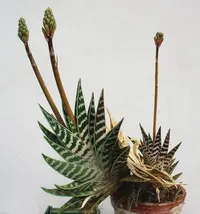
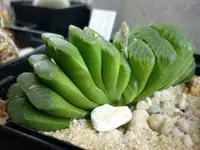
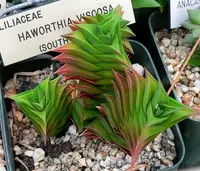
Robust Haworthia, Haworthiopsis viscosa, is a compact, slow-growing succulent from arid regions of South Africa. It forms stacked, triangular rosettes that build into small, architectural towers. Leaves are firm, ridged, and often dark green to brownish, giving the plant a textured, geometric look.

This species stays small and grows slowly, which makes it suitable for windowsills, desks, and small containers. Its drought tolerance and modest light needs make it relatively easy to keep alive, even for beginners.

Haworthiopsis viscosa prefers bright, indirect light, infrequent watering, and very well-draining, gritty soil. These traits shape the basic approach to how to care for Robust Haworthia.

Main Plant Requirements

Care Difficulty

Easy Care

Light Preference

Bright Indirect Light

Water Requirements

Low Water

Temperature Preference

Tropical / Frost Sensitive

Hardiness Zone

10–11

Soil Texture

Sandy, Loamy, Rocky

Soil pH

Acidic (5.5–6.5), Slightly acidic (6.5–7.0)

Soil Drainage

Well-drained

Fertilization

Minimal (feed rarely)

Get Personalized Care Plan

Scan your plant to receive care tips personalized for your specific plant

Available on iOS and Android

How to Care for the Robust Haworthia

Haworthiopsis viscosa prefers bright, indirect light and adapts well to mild outdoor conditions.

  • Provide 4–6 hours of bright, filtered light daily, such as dappled shade under taller plants or light through a sheer curtain for Robust Haworthia.
  • Allow gentle morning sun but protect from harsh midday and afternoon sun, which can cause leaf scorch, bleaching, or crispy brown tips.
  • In winter, move plants to a brighter position if days are very short; in summer, increase shade if leaves turn pale or reddish.

This succulent stores water in its leaves and needs infrequent but thorough watering.

  • Water only when the top 3–5 cm of soil are completely dry, then soak the root zone and let excess drain away.
  • Use very free-draining, gritty soil to prevent waterlogging; soft, yellowing, or translucent leaves indicate overwatering and possible root rot in Haworthiopsis viscosa.
  • In spring and summer, expect more frequent watering; in fall and winter, reduce strongly and watch for wrinkling leaves as a sign the plant is ready for a drink.

This species prefers warm, dry conditions and does not tolerate frost.

  • Aim for 65–80°F (18–27°C) during active growth, as this range supports steady metabolism and healthy root activity.
  • Protect from cold below 40°F (4°C); brief dips to 35°F (2°C) may be survived if dry, but freezing causes tissue damage and rot.
  • In hot spells above 90°F (32°C), provide shade and airflow; avoid placing the plant near heat-reflective walls or enclosed, airless patios.

This succulent tolerates a wide humidity range and rarely needs special humidity management indoors.

  • Aim for 30–50% humidity, which matches typical indoor conditions for caring for Robust Haworthia types.
  • Dry air is usually tolerated; issues arise more from overwatering than from low humidity.
  • Possible humidity stress shows as soft, pale, or translucent leaves combined with cool, stagnant air, so increase air movement rather than misting.

Haworthiopsis viscosa needs a very fast-draining, mineral-rich mix that prevents waterlogging around the roots.

  • Use a gritty, sandy mix such as 50–70% inorganic components (pumice, coarse perlite, or 3–5 mm grit) with 30–50% cactus potting mix.
  • Maintain a loose, open structure so water runs through in seconds and the mix dries within a few days.
  • Keep pH slightly acidic to neutral, roughly 6.0–7.0, which supports nutrient availability without stressing roots.
  • Avoid peat-heavy, compact, or moisture-retentive mixes that stay wet, and never let the pot sit in collected runoff.

This species is well suited to container growing due to its compact, shallow root system.

  • Choose a pot only 2–3 cm wider than the root ball to keep the mix drying evenly between waterings.
  • Use a shallow container, as deep pots hold excess moisture in the lower third where roots rarely reach.
  • Unglazed terracotta helps moisture evaporate faster, adding a safety margin against accidental overwatering in compact indoor spaces.

This succulent has low nutrient demand, so light, infrequent feeding is sufficient for caring for Robust Haworthia.

  • Use a balanced liquid fertilizer (around 10-10-10) diluted to 25–50% strength, labeled for succulents or houseplants.
  • Feed once every 4–6 weeks during active growth in spring and summer only.
  • Avoid compost-rich mixes that stay wet and may rot roots.
  • Stop feeding in fall and winter when growth slows or stops.

Haworthiopsis viscosa needs only minimal pruning to keep rosettes tidy and healthy.

  • Best time is late spring to summer, when the plant is actively growing.
  • Remove dried leaves at the base, damaged rosettes, and any diseased tissue with clean scissors or pruners.
  • Cut spent flower stalks at the base to redirect energy to foliage and offsets.
  • Thin crowded offsets if they shade each other or trap moisture against leaves.

This species grows slowly and prefers slightly cramped conditions, so repot only when clearly needed.

  • Check for roots circling the pot, emerging from drainage holes, or very slow growth as signs to repot.
  • Plan repotting for spring, every 3–4 years, or when the cluster clearly outgrows its container.
  • Use a shallow pot with sharp drainage and a gritty cactus/succulent mix to limit root rot risk.
  • Lift the plant gently, loosen the root ball lightly, let any broken roots callus a day, then replant and water after 3–5 days.

New Haworthiopsis viscosa plants are most often produced from offsets rather than seed.

  • Best season is spring to early summer, when roots establish fastest.
  • Detach offsets with several leaves and visible roots using a clean knife, keeping some original mix around roots.
  • Allow cut surfaces to dry and callus 1–2 days before planting in a gritty, barely moist succulent mix.
  • Provide bright, indirect light, warmth around 70–80°F, and very light watering until roots strengthen.

This succulent is not frost tolerant and needs dry, cool but above-freezing conditions in winter.

  • Move container plants indoors before temperatures drop near 35–40°F, choosing a bright window.
  • Keep soil mostly dry, watering lightly only when mix is fully dry to the bottom.
  • Maintain indoor temperatures around 50–65°F with good airflow to prevent rot.
  • Avoid cold drafts against the pot and leaves, especially at night.

Care Tips

Rotate For Symmetry

Rotate the pot a quarter turn every 2–3 weeks so the stacked rosettes do not lean toward the light and the plant keeps a compact, vertical form.

Top-Dress With Grit

Add a 0.5–1 cm layer of horticultural grit or coarse sand on the soil surface to keep leaf bases dry, reduce fungus gnat activity, and visually highlight the architectural stems.

Use Narrow Pots

Choose a relatively narrow, deeper pot rather than a wide shallow one to support the tall columnar growth and reduce the risk of the plant toppling as it elongates.

Stabilize Tall Stems

If older columns become top-heavy, anchor them with a small discreet stake or lean them slightly against a rock in the pot to prevent mechanical damage at the base.

Seasonal Rest Adjustment

During the plant’s summer rest in very hot, bright conditions, slightly reduce watering and avoid disturbance such as repotting, which supports long-term success when growing Robust Haworthia.

Common Pests and Diseases

Mealybugs

This pest often hides in tight leaf rosettes and along the stacked stems, feeding on sap and causing slowed growth and sticky honeydew deposits. Symptoms include white cottony clusters deep between the leaves and sometimes at the roots in the potting mix.

Solution

Isolate the plant, then remove visible insects with a cotton swab dipped in 70% isopropyl alcohol, working carefully into the crevices between leaves. Rinse the plant with a gentle shower of lukewarm water, allow it to dry, then repeat spot treatments weekly and consider a systemic insecticide labeled for succulents if the infestation persists.

Aloe mite

This pest (eriophyid gall mite) can cause distorted, lumpy, or tumor-like growths on leaves and stems that are sometimes crusty or corky. Symptoms include abnormal rosettes and rough, wart-like patches that do not look like normal mechanical damage or sun stress.

Solution

Immediately remove and discard all affected leaves and stems well below the distorted tissue using sterile tools, then disinfect tools with alcohol. Keep the plant isolated, improve airflow, and if new galls appear, consider discarding the entire plant and decontaminating the area, since these mites are microscopic and spread easily to other Haworthia and related succulents.

Aphids

These insects may cluster on soft growth near the stem tips or flower stalks, sucking sap and causing puckered or discolored leaves. This pest also produces honeydew, which can support black sooty mold on leaf surfaces.

Solution

Rinse the plant thoroughly with a firm but gentle stream of water to dislodge insects, then treat remaining colonies with insecticidal soap or a dilute neem oil spray, ensuring coverage of leaf bases and the undersides of leaves. Repeat every 5–7 days for several cycles and avoid overfertilizing, which encourages tender, aphid-prone growth.

Fungal leaf spots

This disease develops more readily on Haworthiopsis viscosa in cool, overly humid, or poorly ventilated conditions, especially when water sits on the leaves. Symptoms include small dark spots or irregular lesions on the firm triangular leaves, sometimes with a yellow halo or slightly sunken texture.

Solution

Remove and discard affected leaves, then improve light, airflow, and watering so that leaves dry quickly after getting wet. Water at the soil level instead of overhead, and in persistent cases apply a sulfur- or copper-based fungicide labeled for succulents, following the directions carefully and allowing the plant to dry between treatments.

Soft bacterial rot

This disease often starts where water accumulates in leaf axils or in hidden crevices, causing leaves or stem sections to turn translucent, mushy, and foul-smelling. Symptoms include rapid collapse of sections of the rosette and wet, slimy tissue at the base of affected leaves.

Solution

Cut away all soft, discolored tissue back to firm, healthy material using sterile tools, and discard all infected parts and any contaminated potting mix. Allow the plant to dry in bright, indirect light for several days, then repot into fresh, sharply draining succulent mix, and prevent future rot by watering deeply but infrequently and avoiding standing water in the crown during cool periods, which is central to Haworthiopsis viscosa plant care.

Interesting Facts

Stacked leaf spirals

This species forms stiff, three-sided leaves stacked in tight vertical spirals, creating a geometric tower-like rosette that is unusual even among other haworthias and related genera.

Native sandstone specialist

In the wild it grows in rocky crevices and shallow pockets on sandstone slopes in the Eastern and Western Cape of South Africa, where its roots anchor deeply into narrow fissures and help it survive intense sun and erratic rainfall.

Slow survival strategy

The plant grows very slowly and invests heavily in tough, fibrous leaves with thick cuticles, a strategy that reduces water loss and allows long survival during drought in its arid home range.

Botan icon

Did you know?

This species uses crassulacean acid metabolism (CAM), opening its stomata mainly at night to take in carbon dioxide, which allows it to photosynthesize efficiently while minimizing water loss in its hot, dry native habitats.

FAQs about Robust Haworthia

Brown leaf tips or patches usually come from underwatering, intense sun, or fertilizer salts. Check soil moisture, reduce direct midday sun, and flush the pot occasionally to remove built-up salts. Damaged leaf parts will not turn green again.

Grow Healthy Plants with Botan Care

Keep your plants happy and healthy with plant identification, disease detection, and easy care guidance.

Botan plant care app — identify plants on mobile

Explore More Plants