Simulate wet cycle
Keep the pot standing in a shallow tray of rainwater or low-mineral water only during the active growth period, then let the tray dry out fully as foliage dies back to mimic the natural wet-spring, drier-summer cycle.

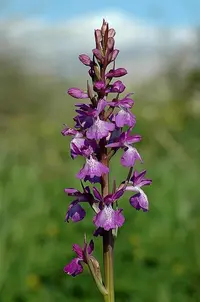
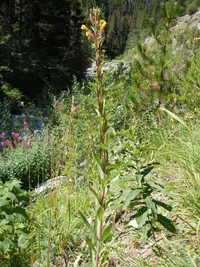
Anacamptis palustris, often called the marsh orchid, is a terrestrial orchid that forms slender stems with narrow leaves and loose spikes of pink to purple flowers. It has an elegant, upright habit and typically grows in small clumps rather than dense masses.
This species is native to wetlands, damp meadows, and fens across parts of Europe and the Mediterranean region, where soils stay moist and cool. It can be challenging in cultivation because it dislikes drying out, needs consistent moisture, and reacts badly to heavy disturbance of its roots.
Gardeners who want to learn how to care for Anacamptis palustris should understand its need for moist, low-nutrient, well-drained substrates and protection from intense, drying heat.

Care Difficulty
Hard Care

Light Preference
Partial Sun

Water Requirements
Aquatic

Temperature Preference
Cool Climate

Hardiness Zone
5–9

Soil Texture
Loamy, Silty, Organic-rich

Soil pH
Acidic (5.5–6.5), Slightly acidic (6.5–7.0)

Soil Drainage
Waterlogged tolerant

Fertilization
Minimal (feed rarely)
Scan your plant to receive care tips personalized for your specific plant
Available on iOS and Android
This marsh orchid prefers bright, gentle light that mimics open, wet meadows.
This species is adapted to wet, marshy soils and dislikes prolonged drying.
This hardy terrestrial orchid experiences cool to warm conditions with a marked winter rest.
This wetland orchid needs consistently high humidity to grow well in cultivation.
This species prefers permanently moist, air-filled substrate that mimics nutrient-poor marsh or fen conditions.
This species can be grown in containers if moisture and aeration are carefully controlled.
This wetland orchid is adapted to low-nutrient conditions, so fertilizing Anacamptis palustris should be minimal and carefully controlled.
Pruning needs for Anacamptis palustris are light and focus on hygiene rather than shaping.
This orchid is usually grown in situ or in specialist setups, so transplanting Anacamptis palustris is infrequent and should be done with care.
Propagation of Anacamptis palustris is specialized and usually left to expert growers or conservation programs.
This hardy terrestrial orchid tolerates typical cool-temperate winters but benefits from modest protection in exposed sites.

Plant Health Check
Not sure what's wrong with your plant? Check your plant's health inside the app.
This species is naturally restricted to calcareous marshes, wet meadows, and fens, where it grows in full sun with constantly moist but aerated, lime-rich soils.
Its flowers attract mainly bee and butterfly visitors using color and scent, but offer no nectar reward, relying on deceptive pollination to transfer pollen masses called pollinia.
The plant survives adverse seasons through underground tubers that store starches, allowing it to resprout yearly even after foliage and flower spikes die back.

This marsh orchid has a fragmented distribution from the western Mediterranean through parts of central and eastern Europe to western Asia, and in several regions it is considered regionally threatened due to drainage of wetlands and alteration of its specialized marsh habitats.
This species usually flowers in late spring to early summer, often from May to June, depending on climate. Individual flower spikes bloom for several weeks, especially in consistently moist, cool conditions with minimal disturbance around the roots.
Keep your plants happy and healthy with plant identification, disease detection, and easy care guidance.