Salsify Care (Tragopogon porrifolius)

Also known as: vegetable oyster, purple salsify, oyster-plant, Purple Goat's Beard, Wild Salsify
Salsify

About Salsify

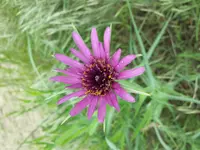
Salsify (Tragopogon porrifolius) is a biennial root vegetable grown mainly for its long, pale, edible taproot with a mild, slightly sweet flavor. The plant forms narrow, grass-like leaves and produces tall flower stalks topped with purple, dandelion-like blooms that later turn into large seed heads. It is native to the Mediterranean region but is now cultivated and naturalized in many temperate areas. Salsify prefers full sun, moderately moist but well-drained soil, and relatively cool conditions during root development. It is generally straightforward to grow from seed, though it needs loose soil and consistent moisture for good root formation, which is important to understand when learning how to care for Salsify.

Main Plant Requirements

Care Difficulty

Easy Care

Light Preference

Full Sun

Water Requirements

Moderate Water

Temperature Preference

Cool Climate

Hardiness Zone

6–9

Soil Texture

Sandy, Loamy

Soil pH

Slightly acidic (6.5–7.0), Neutral (7.0)

Soil Drainage

Well-drained

Fertilization

Minimal (feed rarely)

Get Personalized Care Plan

Scan your plant to receive care tips personalized for your specific plant

Available on iOS and Android

How to Care for the Salsify

This root crop prefers full sun for strong growth and good root development.

  • Provide 6–8 hours of direct sun per day; morning sun with some light afternoon shade is ideal in hotter regions.
  • Salsify tolerates light partial shade (around 4–5 hours of sun), but roots may grow thinner and foliage may stretch.
  • Watch for scorched, pale leaves as a sign of excessive intense sun, and weak, floppy stems as a sign of insufficient light, especially in late spring and early summer.

This species prefers steady, moderate moisture rather than extremes of drought or saturation.

  • Water when the top 3–5 cm of soil feels dry, aiming for evenly moist soil during active growth rather than a strict calendar schedule.
  • Use loose, well-drained soil so excess water can move away from the roots; soggy soil around Tragopogon porrifolius encourages rot and yellowing foliage.
  • Reduce watering slightly in cool weather and after foliage dies back; wilting, dry, brittle leaves suggest underwatering, while limp, yellowing leaves and a sour smell indicate overwatering.

This cool-season root vegetable grows best in mild conditions without temperature extremes.

  • Optimal growth occurs at 55–70°F (13–21°C), which supports steady root development and reduces bolting risk.
  • Plants tolerate light frosts down to about 25–28°F (-4 to -2°C), but repeated freezes below this can damage foliage and reduce yield.
  • In hot spells above 80–85°F (27–29°C), growth slows and plants may bolt; use mulch to cool the soil and choose planting times that avoid peak summer heat.

Humidity is not a significant factor for Tragopogon porrifolius, which copes well with typical outdoor air levels.

Tragopogon porrifolius develops straighter, healthier roots in loose, deep, well-drained soil.

  • Use a sandy or sandy-loam structure with plenty of coarse particles to prevent compaction around the taproot.
  • Incorporate 20–30% mature compost for nutrients but avoid heavy clay or peat-dense mixes that hold excessive water.
  • Aim for slightly acidic to neutral pH, around 6.3–7.0, which supports nutrient uptake and root growth.
  • Before sowing, remove stones and break clods in the top 20–30 cm to improve aeration and allow unobstructed root elongation.

This species can be grown in containers if the pot is deep enough for its long taproot.

  • Choose a container at least 30–40 cm deep so the root can extend without forking or hitting the base prematurely.
  • Select a heavy or wide-based pot to prevent tipping when tall flower stems develop in windy conditions.
  • Use a free-draining mix and elevate the pot slightly on feet or bricks so drainage holes never sit in collected runoff.

This root crop needs only modest feeding, as excessive nutrients reduce root quality in Salsify.

  • Use a light application of balanced granular fertilizer or well-rotted compost at bed preparation, mixing it into the top 10–15 cm of soil.
  • During the growing season, one additional light feeding with a balanced NPK fertilizer at half strength is usually sufficient.
  • Avoid high-nitrogen products, which promote leafy growth over root development and may cause forked or woody roots.
  • Do not fertilize in late fall or winter, when growth has slowed or plants are near harvest.

Tragopogon porrifolius needs only minimal pruning focused on cleanliness and seed control rather than shaping.

  • Use clean, sharp scissors or hand pruners to remove dead, yellowing, or diseased leaves at the base whenever noticed.
  • Cut spent flower stalks after blooming if self-seeding is not desired, trimming back to just above the leaf rosette.
  • Remove damaged or broken stems promptly to reduce entry points for pests and fungal diseases.
  • In small plantings, thinning out crowded seedlings by hand early in the season improves root size and overall stand health.

This taprooted vegetable is best grown where it will mature, so transplanting and repotting should be minimized.

  • Start seeds directly outdoors in their final position; taproots resent disturbance, which can cause forking or stunting.
  • If container-grown, use deep pots and transplant only when seedlings are very young, moving them with an intact soil plug.
  • Transplant in early spring or cool weather, watering gently afterward to settle soil and reduce root stress.
  • Avoid frequent repotting; instead, plan spacing and bed layout ahead so plants remain undisturbed until harvest.

Propagation of this species relies almost entirely on seeds rather than vegetative methods.

  • Sow seeds in early spring or late summer directly into loose, stone-free soil for straight, well-formed roots.
  • Provide full sun, consistent moisture, and soil temperatures around 50–70°F to support uniform germination and early growth.
  • Place seeds 1–2 cm deep and thin seedlings to appropriate spacing once they have a few true leaves.
  • Collect mature seed heads in dry weather if saving seed, storing in a cool, dry place until the next sowing season.

In many temperate climates this plant is fairly cold hardy and often needs little special winter care in the ground.

  • Mulch lightly with straw or leaves over the root zone in late fall to moderate freeze–thaw cycles and keep soil workable.
  • Where winters are severe, add a thicker mulch layer so roots can be lifted gradually through winter without damage.
  • Container-grown plants left outdoors benefit from wrapping pots or placing them against a sheltered wall to reduce root freezing.

Care Tips

Deep bed preparation

Loosen soil to at least 30–35 cm depth and remove stones before sowing to reduce forked or misshapen roots and make harvesting easier.

Staggered sowing plan

Sow small batches every 2–3 weeks in early spring so roots reach harvestable size in succession rather than all maturing at once.

Targeted thinning technique

Thin seedlings in 2 stages, first to 5 cm and later to 10–15 cm spacing, using scissors at soil level to avoid disturbing the remaining taproots.

Root-zone mulching

Apply a light, even mulch layer once seedlings are established to keep the root zone cool, limit crusting, and reduce irregular moisture swings that can stress plants.

Selective lifting and storage

Lift only the largest roots first and leave smaller ones in the ground to size up, then store harvested roots in slightly damp sand in a cool, dark place to extend the usable season when growing Salsify.

Common Pests and Diseases

Salsify moth

This pest is a small noctuid moth whose larvae tunnel into the flower stalks and seed heads, weakening plants and reducing seed and root quality. Symptoms include wilting stems, frass inside hollowed stalks, and deformed flower heads.

Solution

Remove and destroy infested flower stalks and seed heads as soon as tunneling is noticed to break the life cycle. Use fine insect netting over beds from bud formation to seed set, and keep nearby wild salsify species cut back to reduce local moth populations.

Salsify seed fly

This pest is a small fly whose maggots feed inside developing flower heads and seeds, lowering seed viability and causing distorted heads. Symptoms include browning or shriveling flower parts and small maggots hidden in the seed head.

Solution

Cut and dispose of affected flower heads before larvae mature, and clean up all spent flower stalks after flowering to remove breeding sites. Floating row covers during flowering and seed development can protect crops where saving seed or maintaining flowering plants is important.

Powdery mildew

This disease appears as white, powdery fungal growth on leaves and stems, often late in the season or under dry days and humid nights. Symptoms include yellowing and premature drying of foliage, which can weaken plants before harvest.

Solution

Improve spacing and airflow, avoid overhead evening watering, and remove the most affected leaves to reduce spore load. In recurrent problem areas, apply a preventative contact treatment such as sulfur or a potassium bicarbonate product early when the first small spots appear.

Sclerotinia crown rot

This disease is caused by Sclerotinia fungi that infect the crown and upper root, especially in cool, moist soils and dense plantings. Symptoms include sudden wilting, soft brown decay at the crown, and white cottony fungal growth with black sclerotia (hardened fungal bodies).

Solution

Promptly remove and discard entire affected plants with surrounding soil to reduce inoculum. Practice long rotations away from other susceptible crops (carrot, lettuce, beans), avoid overwatering and heavy mulch at the crown, and maintain good bed drainage as part of general Tragopogon porrifolius plant care.

Interesting Facts

Edible oyster-flavored roots

The thick taproot has been traditionally eaten as a vegetable in Europe, valued for a mild, oyster-like flavor when cooked, which led to the common name vegetable oyster.

Purple clock-face flowers

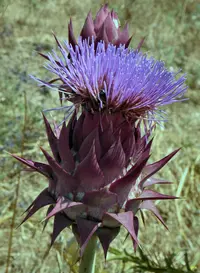
It produces large, purple composite flower heads that open in the morning and close by early afternoon, giving a clock-like appearance that has been noted in traditional field botany.

Milky latex sap

All parts of the plant exude a white, milky latex when cut; this latex is typical of the Asteraceae family and may help deter some herbivores from feeding.

Botan icon

Did you know?

In early modern Europe, this species was so widely cultivated as a root vegetable that it appears in 16th–17th century herbals and kitchen-garden records, yet it later declined into relative obscurity and is now considered a minor or heirloom crop in most regions.

FAQs about Salsify

Yes, this species is grown mainly as a root vegetable. The long, pale root is peeled and cooked, with a flavor often compared to oyster or artichoke. Young shoots and flower buds are also sometimes eaten cooked.

Grow Healthy Plants with Botan Care

Keep your plants happy and healthy with plant identification, disease detection, and easy care guidance.

Botan plant care app — identify plants on mobile

Explore More Plants