devilsbit Care (Succisa pratensis)

Also known as: Devil's-bit Scabious
devilsbit

About devilsbit

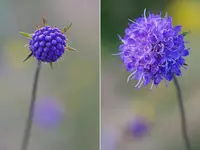
Devilsbit (Succisa pratensis) is a perennial wildflower from damp meadows, pastures, and open woodland edges across much of Europe and parts of western Asia. It forms a low rosette of leaves and sends up slender stems topped with rounded, blue-purple flower heads. These nectar-rich flowers attract many pollinators, especially bees and butterflies, and bloom from late summer into autumn in suitable climates. The plant is generally hardy and long-lived where winters are cool and soils do not dry out completely. It prefers sun to light shade and moist, low-fertility soil, so care for devilsbit focuses mainly on matching these conditions rather than intensive maintenance.

Main Plant Requirements

Care Difficulty

Moderate Care

Light Preference

Full Sun

Water Requirements

Regular Water

Temperature Preference

Cold Hardy

Hardiness Zone

4–8

Soil Texture

Loamy, Silty, Organic-rich

Soil pH

Acidic (5.5–6.5), Slightly acidic (6.5–7.0)

Soil Drainage

Moist but well-drained

Fertilization

Minimal (feed rarely)

Get Personalized Care Plan

Scan your plant to receive care tips personalized for your specific plant

Available on iOS and Android

How to Care for the devilsbit

Succisa pratensis thrives in open, bright conditions that mimic moist meadows and grasslands.

  • Provide 4–6 hours of direct morning sun with light or filtered sun in the afternoon, especially in warmer regions.
  • Tolerates light partial shade, but flowering decreases if it receives less than 3–4 hours of direct sun during the growing season.
  • In hot summers, protect devilsbit from harsh afternoon sun to reduce leaf scorch and moisture stress, especially in drier soils.

Succisa pratensis prefers evenly moist, not waterlogged, soil throughout the growing season.

  • Water when the top 2–3 cm of soil feels just barely damp, aiming to avoid both cracked-dry and soggy conditions.
  • In spring and summer, monitor after warm, windy days; in cooler or rainy periods, extend intervals and rely more on natural rainfall.
  • Signs of overwatering include yellowing, soft leaves and a sour soil smell, while underwatering shows in drooping foliage and slow recovery after rain.

This hardy perennial tolerates cool climates but grows best within a moderate temperature range.

  • Optimal active growth occurs around 60–75°F (16–24°C), especially in spring and early summer when soil stays evenly moist.
  • The crown and roots usually survive down to about 0–5°F (-18 to -15°C) when planted in the ground with some natural mulch cover.
  • Mature plants handle short heat spells up to about 85–90°F (29–32°C) if soil moisture is maintained; prolonged heat with dry soil reduces flowering and vigor.

This species is adapted to outdoor conditions and does not have strict humidity requirements in cultivation.

This meadow perennial prefers consistently moist, humus-rich, moderately heavy soils that do not dry out completely.

  • Use a loamy or clay-loam soil with plenty of organic matter such as compost or leaf mold to mimic damp meadow conditions.
  • Ensure slow but steady drainage; soil should retain moisture without staying waterlogged or forming standing water after rain or watering.
  • Aim for slightly acidic to neutral pH, around 6.0–7.0, which supports nutrient availability for Succisa pratensis.
  • Improve structure and aeration by working in well-rotted compost and a small amount of sharp sand if the soil is very dense.

This species can be grown in containers, but performance is usually better in the ground.

  • Choose a deep, heavy pot that resists tipping so tall flowering stems remain stable in wind.
  • Use a moisture-retentive loam-based mix rather than a very light peat-free mix to reduce rapid drying.
  • Stand the container in a larger outer pot or tray filled with damp gravel to buffer moisture loss around the root zone when growing devilsbit.

This wild perennial needs only light feeding, as rich soil can reduce flowering in devilsbit.

  • Use a thin top-dressing of compost or well-rotted manure in early spring for plants in poor soil.
  • In containers, apply a balanced, slow-release fertilizer (around 10-10-10) at half strength once in spring.
  • Avoid feeding during winter dormancy; stop fertilization by late summer to keep growth compact and flowers abundant.
  • Water after any fertilizer application to distribute nutrients evenly and protect roots from burn.

Pruning Succisa pratensis is simple and mainly supports tidy growth and good flowering.

  • Cut back spent flower stems in late summer to encourage a neater clump and occasional later blooms.
  • Remove dead, damaged, or diseased leaves whenever noticed using clean, sharp hand pruners or scissors.
  • In late winter or early spring, trim away old, collapsed foliage to make space for fresh new growth.
  • Avoid heavy reshaping; focus on light, selective removal so the natural form remains open and airy.

This meadow species is usually grown in the ground, with transplanting more relevant than frequent repotting.

  • Plan transplanting in early spring or early fall, when temperatures are mild and soil moisture is steady.
  • Move plants if growth becomes stunted, the clump crowds nearby species, or containers show roots circling the pot.
  • Lift the clump with a spade, keeping as much rootball and surrounding soil intact as possible to reduce shock.
  • Replant at the same depth in a moist, well-drained site, water thoroughly, and shade lightly for 3–5 days if conditions are hot.

Succisa pratensis is commonly propagated by seed or careful division of established clumps.

  • Sow fresh seed in fall outdoors or in a cold frame; natural winter chilling (stratification) improves germination.
  • For division, split healthy clumps in early spring, keeping several buds and roots on each section.
  • Replant divisions into moist, low-nutrient, well-drained soil and water consistently until new growth establishes.
  • If using seed trays, use a free-draining mix, keep lightly moist, and provide bright, indirect light for seedlings.

This species is cold hardy in most temperate climates and generally requires minimal winter care.

  • Tolerates typical frost once established, especially in well-drained soil that prevents waterlogging around roots.
  • Cut back dead stems in late winter if desired, after they have finished providing habitat and seed for wildlife.
  • Apply a light 3–5 cm mulch in colder regions to buffer freeze–thaw cycles, keeping mulch slightly away from the crown.

Care Tips

Support tall stems

In exposed or windy sites, place low, unobtrusive ring supports or short canes around clumps in late spring to keep the slender flowering stems upright and reduce lodging during summer storms.

Encourage basal clumps

After flowering, lightly shear spent stems above the basal foliage to maintain compact clumps, reduce self-seeding, and direct the plant’s energy into strong crowns for the next season.

Plan for wet winters

In heavy soils, plant on a slight mound or in a shallow raised strip so winter moisture drains away from the crowns, which lowers the risk of rot while still keeping the root zone evenly moist.

Manage self-seeding

If naturalizing a meadow, leave some seed heads to ripen and drop where you want new plants, but deadhead those near paths or beds you want to keep tidy to control spread when growing devilsbit.

Combine with mycorrhizae

When establishing new plants on poor or restored sites, dust the planting hole with a reputable mycorrhizal inoculant to improve root development and nutrient uptake, which supports more resilient long-term growth.

Common Pests and Diseases

Devilsbit scabious gall midge

This pest causes swollen, distorted galls on flower heads and sometimes stems, which can prevent normal flowering and seed set.

Solution

Remove and destroy affected flower heads as soon as swelling or distortion is seen to reduce the midge population, and avoid keeping heavily infested seed heads for propagation when growing devilsbit in a garden or meadow setting.

Powdery mildew

This disease produces a white, powdery film on leaves and stems, which can lead to yellowing and premature leaf drop in dry, stagnant air conditions.

Solution

Improve air circulation around the plants, avoid overhead watering, remove heavily affected leaves, and if needed apply a sulfur- or potassium bicarbonate-based fungicide according to label directions.

Leaf spot

Symptoms include small brown, purple, or tan spots on leaves that may merge into larger blotches, reducing photosynthesis and overall vigor.

Solution

Remove and dispose of affected leaves, water at the base to keep foliage dry, space plants so foliage dries quickly, and in persistent cases use a broad-spectrum garden fungicide labeled for ornamental perennials.

Aphids

These insects cluster on young shoots and flower stems, sucking sap and causing distortion, sticky honeydew, and sometimes sooty mold growth.

Solution

Wash colonies off with a strong but controlled stream of water, encourage natural predators such as lady beetles, and if populations remain high use an insecticidal soap or horticultural oil, making sure to cover the undersides of leaves and young stems.

Slugs and snails

This pest group feeds on young leaves and seedlings, creating irregular holes and sometimes eating small plants down to ground level in moist conditions.

Solution

Hand-pick at dusk or early morning, reduce hiding places such as dense mulch or debris, use barriers like copper tape around small plantings, and if needed apply iron phosphate-based slug pellets according to label instructions.

Interesting Facts

Keystone marshland species

Devilsbit scabious is a key food plant for several rare European butterflies, including the marsh fritillary (Euphydryas aurinia), whose caterpillars rely on its leaves in many populations.

Unusual late flowering

Unlike many meadow plants that peak earlier in summer, devilsbit scabious typically flowers from late summer into autumn, extending nectar availability for pollinators when other wildflowers have already set seed.

Distinctive tubular florets

Its rounded blue-violet flower heads are made up entirely of small tubular florets without obvious ray florets (petal-like outer flowers), giving a uniform pincushion appearance that is especially attractive to bees and hoverflies.

Botan icon

Did you know?

The common name devilsbit refers to the plant’s short, abruptly ending rootstock, which was historically interpreted in folklore as if the devil had bitten off the end of the root out of spite.

FAQs about devilsbit

This species is a hardy perennial that regrows from its rootstock each year. Individual rosettes can live several years, often forming slowly expanding clumps that persist long-term if soil is not disturbed and moisture remains consistent.

Grow Healthy Plants with Botan Care

Keep your plants happy and healthy with plant identification, disease detection, and easy care guidance.

Botan plant care app — identify plants on mobile

Explore More Plants