desert evening primrose Care (Oenothera primiveris)

desert evening primrose

About desert evening primrose

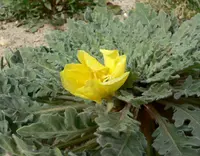
Desert evening primrose, Oenothera primiveris, is a small, low-growing perennial or annual wildflower native to arid regions of the southwestern United States and northern Mexico. It often forms a basal rosette of gray-green leaves that hug the ground.

In spring, it produces pale yellow, night-blooming flowers that open in the evening and attract moths and other pollinators. The overall look is delicate but adapted to harsh, dry sites.

This species is drought tolerant and prefers full sun, fast-draining, sandy or rocky soils, and low to moderate moisture. Once its natural habitat is understood, it becomes easier to know how to care for desert evening primrose in a garden setting.

Main Plant Requirements

Care Difficulty

Easy Care

Light Preference

Full Sun

Water Requirements

Low Water

Temperature Preference

Warm Climate

Hardiness Zone

7–10

Soil Texture

Sandy, Loamy, Rocky

Soil pH

Slightly acidic (6.5–7.0), Neutral (7.0)

Soil Drainage

Well-drained

Fertilization

Minimal (feed rarely)

Get Personalized Care Plan

Scan your plant to receive care tips personalized for your specific plant

Available on iOS and Android

How to Care for the desert evening primrose

This desert native thrives in full sun but accepts some light shade in very hot regions.

  • Provide 6–8 hours of direct sun daily; morning sun with light afternoon shade suits intense summer climates.
  • Plant Oenothera primiveris in an open, unshaded spot; it becomes leggy and produces fewer flowers in more than 3–4 hours of shade.
  • In hot inland areas, protect from harsh late-afternoon sun to reduce leaf scorch, while in cooler or coastal sites full sun all day is usually safe.

This species prefers dry to slightly moist soil and is sensitive to prolonged wet conditions.

  • Allow the top 3–5 cm of soil to dry completely before watering; in natural dry climates, established plants often need no supplemental water beyond rainfall.
  • Use very well-drained, sandy or gravelly soil so water does not pool around the crown, which increases root and crown rot risk.
  • In hotter months, watch for wilting or dull, folding leaves as a cue to water; pale, mushy foliage or algae on soil indicates overwatering in Oenothera primiveris.

This desert perennial handles a wide temperature range but performs best in moderate warmth.

  • Optimal growth occurs around 65–80°F (18–27°C), with flowering strongest when spring days are warm and nights are cool.
  • Mature plants tolerate brief drops to about 10–15°F (-12 to -9°C) in dry soil, but young plants are more vulnerable to hard freezes and prolonged wet cold.
  • In summer, it tolerates 95–100°F (35–38°C) if soil is well drained; provide light afternoon shade and avoid heat-reflecting walls to limit heat stress.

Humidity is rarely a limiting factor for desert evening primrose, which is adapted to very dry air.

Oenothera primiveris needs dry, fast-draining, sandy soil that mimics desert conditions.

  • Use a mix of 60–70% coarse sand or grit with the rest cactus mix or lean loam to keep texture open.
  • Aim for slightly acidic to neutral pH around 6.0–7.5, avoiding strongly acidic or alkaline extremes.
  • Ensure water drains completely within minutes after watering; raised beds or mounded rows help excess runoff.
  • Avoid heavy clay, peat-heavy, or compacted soils that hold water, and never allow standing water around roots.

This species can be grown in containers if the setup emphasizes rapid drainage and a dry root zone.

  • Choose a wide, shallow pot to match its relatively shallow root system and allow spreading rosettes space.
  • Use a mineral-heavy mix in a clay or unglazed terracotta pot so moisture evaporates more quickly from the sides.
  • Elevate the container slightly on pot feet or bricks to prevent drainage holes from sealing against the ground.

This desert-adapted wildflower generally needs minimal feeding when grown in lean, sandy soil.

  • In very poor soils, apply a light dressing of compost or a low-rate, balanced NPK granular fertilizer (around 5-5-5) in early spring.
  • Use slow-release fertilizer at 1/2 the label rate to avoid lush, floppy growth and salt buildup.
  • Do not fertilize during summer dormancy or winter, as growth is minimal and roots rest.

Thoughtful pruning keeps Oenothera primiveris compact and encourages repeat flowering.

  • In late spring and through summer, shear off spent flower stalks with clean hand pruners to extend bloom and reduce self-seeding.
  • Remove dead, diseased, or storm-damaged foliage whenever noticed to limit pests and fungal issues.
  • Lightly thin crowded rosettes, cutting at the base, to improve airflow and maintain a tidy, low mound.

This species is usually grown in-ground and resents frequent disturbance, so transplanting should be minimal and carefully timed.

  • Transplant in early spring, before rapid new growth, to give roots a full season to reestablish.
  • Choose a sunny site with very well-drained, sandy or gravelly soil to mimic its native desert conditions.
  • Move only when necessary, such as when plants are shaded out or growth declines, lifting with a wide soil clump to reduce root stress.
  • If container-grown, upsize just 1 pot size when roots circle the drainage holes, using a sharply draining cactus or gritty mix.

New plants are most often raised from seed, which suits the natural life cycle of Oenothera primiveris.

  • Collect mature seed heads in late spring, dry them, and store cool and dry until sowing.
  • Sow seeds on the soil surface in fall or very early spring, as light aids germination and cool conditions help break dormancy.
  • Provide gritty, well-drained soil and only light, even moisture; avoid waterlogging to prevent damping-off disease.
  • In mild regions, allow some seed to fall naturally for self-sown seedlings that emerge the following season.

This desert evening primrose is fairly cold tolerant and usually needs little special winter care in mild, dry climates.

  • In regions below about 15°F, apply a light, dry mulch around the crown after the soil cools, keeping mulch off the rosette center.
  • Ensure soil drainage is excellent, since cold, saturated conditions cause root and crown rot more than low temperatures do.
  • Container plants in colder or wet-winter climates can be moved to a cold, bright, frost-free spot to keep roots drier.

Care Tips

Encourage Evening Bloom

If possible, plan viewing and light inspection in the late afternoon and early evening, since buds open near dusk and you can quickly spot stress signs like shriveling petals or distorted buds before the next day’s heat.

Use Gritty Mulch

Top-dress around the crown with a thin layer of fine gravel or coarse sand instead of organic mulch to keep the root zone dry at the surface and reduce crown rot in wet spells.

Control Self‑Seeding

Mark favored plants while in bloom, then remove spent flowers from unwanted plants before seed pods mature so self-sown seedlings do not crowd planting areas or outcompete weaker specimens.

Deep, Infrequent Soaking

In the ground, use a slow trickle from a hose or drip line for 20–30 minutes rather than frequent light watering so roots grow deeper and better tolerate hot, drying winds common in its native habitats.

Heatwave Protection

During unusually hot, dry spells in its first growing season, provide a temporary shade cloth or the filtered shade of a lightweight lattice for a few days to prevent transplant shock and leaf scorch when growing desert evening primrose in exposed sites.

Common Pests and Diseases

Leaf miners

This pest tunnels inside leaves, creating winding, pale trails that can distort and weaken foliage on stressed plants in dry, open sites.

Solution

Remove and discard affected leaves as soon as trails are noticed, and keep plants well watered but not soggy to reduce stress; in larger plantings, use floating row covers to exclude the adult flies and, if needed, apply a spinosad-based product targeting the undersides of leaves according to label directions.

Flea beetles

These insects chew many tiny round holes in young leaves, giving foliage a shot‑holed or lace‑like appearance and slowing growth, especially in newly established plants.

Solution

Protect seedlings with lightweight row covers until they are well rooted, reduce nearby weeds that harbor beetles, and if damage is heavy, use a fine horticultural insecticidal soap or neem oil spray in the evening, coating both upper and lower leaf surfaces.

Aphids

These insects cluster on tender stems and buds, sucking sap and causing curling or distortion of new growth, while also leaving sticky honeydew that can attract ants.

Solution

Dislodge colonies with a firm stream of water, pinch or cut off heavily infested shoot tips, and when needed apply insecticidal soap or neem oil every 5–7 days until populations drop, making sure to spray buds and the undersides of leaves.

Powdery mildew

This disease appears as white to gray, powdery patches on leaves and stems, which can lead to yellowing and premature leaf drop in crowded or humid conditions.

Solution

Increase air circulation by spacing plants appropriately and removing dense surrounding growth, water at soil level rather than overhead, remove affected leaves, and if the problem persists, use a sulfur or potassium bicarbonate fungicide labeled for powdery mildew, applied in cool parts of the day.

Rust

This disease causes small orange to brown pustules on the undersides of leaves, often with yellow spots on the upper surface, leading to gradual weakening of the plant if severe.

Solution

Promptly remove and discard infected leaves, avoid wetting foliage during irrigation, reduce crowding around plants, and where rust recurs, apply a copper‑based fungicide at the first sign of symptoms, following label guidelines for ornamental perennials such as Oenothera primiveris care.

Interesting Facts

Winter-annual life cycle

This species typically germinates in autumn, overwinters as a low rosette, then bolts and flowers in early spring, an adaptation to cool-season moisture in desert habitats.

Petal color variability

Its flowers are usually pale yellow but can age to creamy white or slightly pinkish, a natural variation within the species influenced by flower age and environmental conditions.

Desert-adapted rosette

The plant forms a flat basal rosette of leaves that hugs the ground, which helps reduce water loss and protect growing tissues from temperature extremes and wind in arid environments.

FAQs about desert evening primrose

This species is highly attractive to night-flying moths and other nocturnal pollinators, especially sphinx moths. The pale, fragrant flowers open in the evening, offering nectar and pollen when many other garden plants are closed.

Grow Healthy Plants with Botan Care

Keep your plants happy and healthy with plant identification, disease detection, and easy care guidance.

Botan plant care app — identify plants on mobile

Explore More Plants