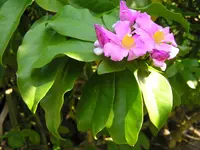
Mexican heather Care (Cuphea hyssopifolia)

Also known as: Mexican Heather
Mexican heather

About Mexican heather

Mexican heather, Cuphea hyssopifolia, is a compact evergreen shrub often grown as a bedding, border, or container plant in warm and mild climates. It is typically low and bushy, with fine, glossy green leaves and many small, tubular flowers in purple, pink, or white.

The plant is native to Mexico and Central America, where it grows in warm, frost-free conditions. It is valued for its long blooming season and neat, dense habit, which makes it suitable for formal edges as well as casual plantings.

Mexican heather is generally easy to grow if given good light, moderate moisture, and well-drained soil, so learning how to care for Mexican heather is straightforward for most home gardeners.

Main Plant Requirements

Care Difficulty

Moderate Care

Light Preference

Full Sun

Water Requirements

Regular Water

Temperature Preference

Tropical / Frost Sensitive

Hardiness Zone

9–11

Soil Texture

Sandy, Loamy, Organic-rich

Soil pH

Acidic (5.5–6.5), Slightly acidic (6.5–7.0)

Soil Drainage

Moist but well-drained

Fertilization

Light (every 4–6 weeks)

Get Personalized Care Plan

Scan your plant to receive care tips personalized for your specific plant

Available on iOS and Android

How to Care for the Mexican heather

Cuphea hyssopifolia thrives in bright outdoor conditions with several hours of direct light daily.

  • Provide 4–6 hours of direct sun, ideally morning sun with light afternoon shade, to support dense growth and flowering in Mexican heather.
  • In hot climates, protect from harsh afternoon sun with filtered light or partial shade to reduce leaf scorch and dry, brown edges.
  • In cooler seasons, choose the sunniest site available; plants in too much shade become leggy, produce fewer flowers, and may drop lower leaves.

This species prefers steady moisture in well-drained soil without staying soggy.

  • Water when the top 2–4 cm of soil feels dry, using enough water to moisten the root zone, then let excess drain away fully.
  • Reduce watering frequency in cool or overcast weather; increase slightly during hot, windy periods that dry the soil faster.
  • Watch foliage for cues: yellowing, soft leaves and a sour soil smell suggest overwatering, while dull, wilting leaves and dry, pulling soil indicate underwatering in Cuphea hyssopifolia.

This plant grows best in warm, frost-free conditions typical of mild to hot climates.

  • Aim for 65–80°F (18–27°C) for active growth; flowering is strongest and most consistent in this range.
  • Protect from cold; growth slows below 55°F (13°C), and tissues are usually damaged or killed by frost near 32°F (0°C).
  • In heat above 90°F (32°C), maintain soil moisture and provide light afternoon shade to reduce stress, leaf scorch, and early flower drop.

This species prefers moderately humid air but usually adapts to typical indoor and outdoor conditions.

  • Aim for 40–60% humidity; it tolerates brief drops lower but may grow more slowly.
  • Dry air causes crispy leaf tips, increased leaf drop, and stalled flowering on Mexican heather.
  • Increase humidity with a nearby humidifier, grouped plants, or an outdoor location sheltered from hot, drying winds.

Cuphea hyssopifolia prefers loose, well-aerated, fast-draining soil that still holds moderate moisture.

  • Use a mix of 50–60% loam or all-purpose potting mix, 20–30% compost, and 20–30% perlite or coarse sand for structure and aeration.
  • Ensure water drains freely within a few seconds; persistent puddling or a sour smell indicates excess water retention.
  • Aim for slightly acidic to neutral pH around 6.0–7.0, which supports nutrient availability for steady growth.
  • Avoid heavy clay, peat-only mixes, or compacted ground that stay wet for long periods, as roots are prone to rot in saturated conditions.

This species is well suited to container growing in warm climates and bright outdoor spaces.

  • Choose a pot just 2–5 cm wider than the root ball to prevent large volumes of unused, soggy mix around the roots.
  • Select a stable, heavier container material if plants are grown tall or windy sites are common, as the bushy top can make pots tip-prone.
  • Ensure wide, unobstructed drainage holes and slightly elevate the pot on feet or bricks so excess water exits quickly after rain or irrigation.

Cuphea hyssopifolia responds well to light, consistent nutrition during the warm growing season.

  • Apply a balanced liquid fertilizer (for example 10-10-10) at 1/2 strength every 4–6 weeks from spring through early fall.
  • In containers, use a slow-release granular fertilizer at planting, following label rates for small flowering shrubs.
  • Supplement with a thin layer of compost around the root zone to support soil life and steady nutrient release.
  • Stop feeding Mexican heather in late fall and winter to avoid soft, frost-sensitive growth.

Cuphea hyssopifolia benefits from light, periodic pruning to maintain a dense, flowering mound.

  • Do main shaping in late winter or early spring before vigorous new growth starts.
  • Use clean, sharp hand pruners to remove dead, damaged, or crossing stems back to healthy tissue.
  • Lightly tip back stem ends after each main flush of flowers to encourage branching and more blooms.
  • Thin overly crowded interior shoots to improve airflow and reduce humidity-related disease.

This species is often grown as a bedding shrub, but container plants and young stock sometimes need repotting or transplanting.

  • Look for roots circling the pot, pushing through drainage holes, or slowed top growth as signs it needs a larger container.
  • Plan repotting or garden transplanting for spring after frost risk has passed and growth is resuming.
  • Move up only 1 pot size, using well-drained mix, and keep the original soil level at the same height in the new container or hole.
  • Water thoroughly after moving, keep the plant shaded or in filtered light for 3–5 days, and avoid heavy fertilization until recovery.

New Cuphea hyssopifolia plants are most commonly produced from softwood cuttings or seed.

  • Take 7–10 cm softwood cuttings in late spring to summer, just below a node, removing lower leaves.
  • Dip the cut end in rooting hormone and place in a sterile, moist, well-drained medium under bright, indirect light.
  • Maintain 70–75°F and high humidity using a clear cover or mist until roots form in 3–5 weeks.
  • Sow fresh seed on the surface of a light seed mix, keep slightly moist and warm, and thin or transplant seedlings once they have several true leaves.

In mild climates this shrub can be semi-evergreen, but it is frost-sensitive and needs protection in colder regions.

  • In zones colder than about USDA 9, grow Cuphea hyssopifolia in containers so plants can be moved indoors before frost.
  • Indoors, provide bright light, reduced watering, and good air circulation to limit stress and disease.
  • In the ground, add 5–8 cm of organic mulch around (not against) the stems to insulate roots during cool periods.

Care Tips

Pinch For Bushiness

Lightly pinch back soft shoot tips every 3–4 weeks in active growth to encourage dense branching and more flower-covered stems instead of letting the plant become leggy.


Refresh Woody Plants

If the plant becomes bare at the base, lightly shear back by 1/3 in late spring and give a balanced fertilizer to stimulate fresh basal shoots and extend its ornamental lifespan.

Seasonal Container Rotation

In containers, rotate the pot by 1/4 turn every 1–2 weeks during the growing season so light reaches all sides evenly and the plant maintains a symmetrical dome shape.

Mulch For Root Health

Apply a 2–3 cm layer of fine bark or composted mulch around, but not touching, the stems to keep surface roots cool, reduce evaporation, and limit weed competition when growing Mexican heather outdoors.

Integrated Pest Checks

Inspect stems and the undersides of leaves every 2–3 weeks for aphids, whiteflies, and spider mites, and rinse off early infestations with a firm stream of water before considering targeted insecticidal soap.

Common Pests and Diseases

Spider mites

This pest often appears on Cuphea during hot, dry weather and can cause fine stippling and dull, bronze foliage. Symptoms include delicate webbing on stems and rapid decline in overall vigor if populations are high.

Solution

Rinse foliage thoroughly with a strong but controlled stream of water, including the undersides of leaves, then repeat every few days for 1–2 weeks. If needed, follow with insecticidal soap or a ready-to-use horticultural oil, and increase humidity and air movement to make conditions less favorable for mites.

Aphids

These insects cluster on tender shoot tips and flower stems, sucking sap and excreting sticky honeydew that can attract sooty mold. Symptoms include curling new growth, distorted flowers, and the presence of ants tending the aphids.

Solution

Prune off heavily infested tips, then hose down remaining stems to dislodge colonies. Follow with insecticidal soap or a neem-based spray, applied thoroughly to all soft growth, and repeat at 5–7 day intervals until new growth appears clean.

Whiteflies

This pest is most common on container-grown plants in sheltered patios or greenhouses and flies up in a white cloud when the plant is disturbed. Symptoms include sticky leaves, yellowing foliage, and reduced flowering over time.

Solution

Use yellow sticky traps to monitor and reduce adult numbers, and regularly inspect the undersides of leaves for nymphs. Remove heavily infested leaves and apply insecticidal soap or horticultural oil to the undersides of foliage, repeating every 5–7 days until the life cycle is broken.

Botrytis blight

This disease affects flowers and tender stems, especially in cool, humid conditions or when plants stay wet for long periods. Symptoms include soft, water-soaked spots that develop into gray, fuzzy mold on blooms and foliage.

Solution

Remove and discard all affected flowers and stems, and avoid overhead watering so foliage does not remain wet. Improve air circulation around the plant, space plants so they do not crowd, and consider a labeled fungicide spray if conditions remain cool and damp and new infections keep appearing.

Leaf spot

This disease appears as small brown or purplish spots on foliage that may expand and cause premature leaf drop, especially in dense plantings or during prolonged rain. Symptoms include thinning foliage and a generally uneven, patchy appearance on the plant canopy.

Solution

Trim off and discard affected leaves, clear fallen debris around the base, and water at soil level to keep foliage dry. Improve spacing and air flow, and if spotting continues, apply a copper-based or other labeled ornamental fungicide according to the product directions as part of broader Cuphea hyssopifolia care.

Interesting Facts

Miniature heather mimic

Despite the common name Mexican heather, this species is not related to true heathers (family Ericaceae). Its tiny opposite leaves and fine branching simply resemble heather foliage, which led to the misleading common name.

Tropical long bloomer

In frost‑free climates, this shrub can flower almost year‑round, with small tubular blooms continually produced along young stems. The constant renewal of flowers provides a steady nectar source for small pollinators.

Nectar for tiny pollinators

The narrow tubular flowers are well suited to small bees and short‑tongued pollinators that can access the nectar in shallow corollas. In warm regions, these visits help maintain high seed set and natural reseeding in gardens.

Botan icon

Did you know?

This species is native to Mexico and parts of Central America, where it often grows in open, seasonally dry habitats; its fine root system and small, thickish leaves help it tolerate short dry spells while still maintaining foliage and flowering.

FAQs about Mexican heather

Sparse or absent flowers often result from insufficient light, heavy pruning at the wrong time, or low nutrition. Old, woody stems bloom less. Light, regular pruning after a flush of flowers and balanced fertilizer usually restores flowering.

Grow Healthy Plants with Botan Care

Keep your plants happy and healthy with plant identification, disease detection, and easy care guidance.

Botan plant care app — identify plants on mobile

Explore More Plants