Branch weight support
As shoots become woody and heavy with leaves and flowers, add discreet bamboo stakes and soft ties to prevent branches from snapping, especially in windy outdoor sites or on exposed balconies.

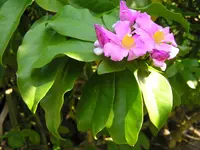
Rhodocactus grandifolius, commonly called rose cactus, is a shrubby, broadleaf cactus native to dry regions of Brazil. It combines woody stems with flat, persistent leaves, unlike most cacti. Plants form thorny, branching bushes that carry showy, rose-like flowers in shades of pink, red, or sometimes white. The blossoms are followed by small, colorful fruits that add further interest. This species suits growers who enjoy a somewhat unusual cactus and do not mind handling thorns. It adapts well to containers and can be grown indoors with strong light, moderate watering, and very free-draining soil. Understanding how to care for rose cactus focuses mainly on giving it bright conditions and avoiding prolonged wet roots.

Care Difficulty
Moderate Care

Light Preference
Full Sun

Water Requirements
Moderate Water

Temperature Preference
Tropical / Frost Sensitive

Hardiness Zone
10–12

Soil Texture
Sandy, Loamy, Organic-rich

Soil pH
Acidic (5.5–6.5), Slightly acidic (6.5–7.0)

Soil Drainage
Well-drained

Fertilization
Light (every 4–6 weeks)
Scan your plant to receive care tips personalized for your specific plant
Available on iOS and Android
Rhodocactus grandifolius prefers bright, direct light but benefits from some protection in harsh climates.
This species needs thorough but infrequent watering, with fast drainage to protect its roots.
This shrubby cactus prefers warm, frost-free conditions with only moderate temperature swings.
This species handles typical indoor humidity but benefits from moderately moist air.
This plant prefers a fast-draining, slightly organic, cactus-style mix.
This species is well suited to container growing when the pot is chosen for drainage and stability.
Rhodocactus grandifolius benefits from moderate feeding during its active growing season for steady, balanced growth.
Pruning Rhodocactus grandifolius helps manage size, encourage branching, and maintain a tidy framework.
Container-grown rose cactus appreciates infrequent but timely repotting or transplanting to support root health.
Rhodocactus grandifolius is most often propagated from semi-woody stem cuttings under warm, bright conditions.
Rhodocactus grandifolius is frost-sensitive and needs protection in regions with cold winters.

Plant Health Check
Not sure what's wrong with your plant? Check your plant's health inside the app.
This species keeps persistent, flat leaves into adulthood, unlike most cacti that lose or reduce their leaves. The leaves carry out a large share of photosynthesis and give the plant a shrub-like appearance.
Its leaves have clusters of spines along the main veins, a rare trait that combines typical cactus spines with a leafy structure. These spines arise from areoles, the specialized cactus growth points that usually sit only on stems.
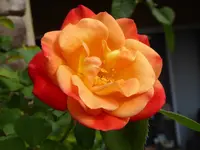
The plant produces large, bright pink to red flowers with many petals that resemble small roses. These flowers are visited by pollinating insects in its native range, aiding in fruit and seed production.

Rhodocactus grandifolius was long placed in the genus Pereskia and played an important role in understanding cactus evolution, because its combination of woody stems, true leaves, and areoles helped botanists link modern leafless cacti to their leafy, woody ancestors.
Lack of blooms usually comes from insufficient light, immature age, or stress from recent repotting or pruning. Ensure stable conditions, avoid heavy feeding, and allow strong new growth before expecting reliable flowering each warm season.
Keep your plants happy and healthy with plant identification, disease detection, and easy care guidance.