white fishhook cactus Care (Sclerocactus intertextus)

white fishhook cactus

About white fishhook cactus

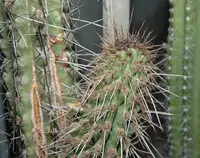
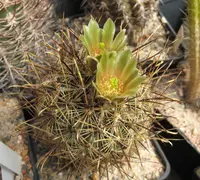
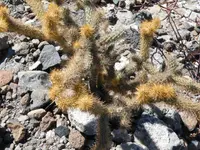
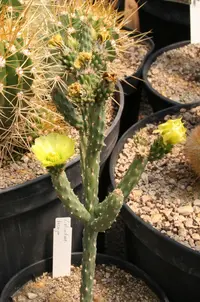
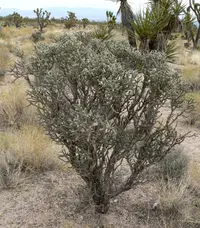
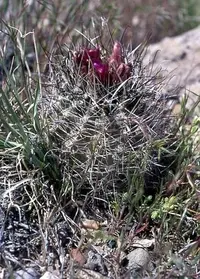
The white fishhook cactus, Sclerocactus intertextus, is a small, slow-growing desert cactus known for its dense white spines that curve like hooks. It usually forms a single, rounded stem that stays compact, making it suitable for containers and rock gardens.

In nature it occurs in arid regions of the southwestern United States, often on rocky, well-drained slopes. It is considered challenging, as it dislikes excess moisture, needs excellent drainage, and is sensitive to root disturbance.

Those who want to care for white fishhook cactus should provide bright light, fast-draining mineral soil, and careful, infrequent watering to avoid rot.

Main Plant Requirements

Care Difficulty

Hard Care

Light Preference

Full Sun

Water Requirements

Low Water

Temperature Preference

Cold Hardy

Hardiness Zone

4–8

Soil Texture

Sandy, Rocky, Loamy

Soil pH

Slightly acidic (6.5–7.0), Neutral (7.0)

Soil Drainage

Well-drained

Fertilization

Minimal (feed rarely)

Get Personalized Care Plan

Scan your plant to receive care tips personalized for your specific plant

Available on iOS and Android

How to Care for the white fishhook cactus

This desert cactus needs strong, direct light to stay compact and flower well.

  • Provide 6–8 hours of direct sun daily; full sun is best in dry climates, with some light afternoon shade in very hot regions.
  • Young or newly transplanted white fishhook cactus benefits from 1–2 weeks of filtered light to prevent sun scorch before moving into stronger sun.
  • In winter, maximize exposure with unobstructed southern light; plants grown in too much shade become elongated, pale, and less spiny.

This species is highly drought-adapted and must dry thoroughly between waterings.

  • Allow the top 5–8 cm of soil to become completely dry before watering; the plant should feel firm, not soft or wrinkled, when adequately hydrated.
  • During active growth in spring and early summer, water deeply but infrequently, then let excess drain away; reduce to very light or no watering in cool winter conditions.
  • Watch for signs of overwatering such as yellowing tissue, blackened base, or a sour smell from constantly damp, poorly drained soil.

This cactus is cold-tolerant but grows best with warm days and cool, dry nights.

  • Aim for 65–85°F (18–29°C) during active growth, with good air movement to prevent overheating around the stems.
  • Established plants can tolerate brief drops to about 10–15°F (-12 to -9°C) if soil is dry, but prolonged freeze in wet soil greatly increases rot risk.
  • In hot spells above 95°F (35°C), provide excellent airflow and, if possible, light afternoon shade to limit heat stress while keeping the soil on the dry side.

This desert cactus prefers very dry air and rarely suffers from low household humidity.

  • Aim for 20–40% humidity, similar to arid indoor air, and avoid humid rooms such as bathrooms.
  • White fishhook cactus shows humidity stress through soft, swollen stems or blackened areoles when air stays too moist.
  • If humidity is consistently above 50%, increase air movement with a small fan and space plants apart to keep surfaces dry.

This species needs a very fast-draining, mineral-heavy substrate that mimics rocky desert soil.

  • Use a mix of roughly 70–80% inorganic grit (pumice, coarse sand, fine gravel) with 20–30% cactus potting mix for structure.
  • Ensure water drains through in seconds and the mix fully dries within a few days to prevent root rot in Sclerocactus intertextus.
  • Keep pH slightly alkaline to neutral, around 7.0–8.0, by incorporating a small amount of crushed limestone or similar mineral amendment.
  • Avoid peat-heavy, compact, or moisture-retentive blends that stay damp, as these reduce aeration around the roots and promote fungal problems.

This cactus is suitable for container growing when the pot is chosen to control moisture and protect its taproot.

  • Select a pot that is deeper than it is wide to accommodate the pronounced taproot without forcing tight bends.
  • Choose unglazed terracotta or another breathable material so the mix dries quickly between waterings and reduces rot risk.
  • Stabilize the container with a layer of gravel or a heavier pot base to prevent tipping as the plant becomes denser and spine-heavy.

This desert cactus grows well with very light feeding, so focus on minimal, dilute nutrients during active growth.

  • Use a low-strength balanced cactus fertilizer (for example 10-10-10) at 1/4–1/2 label rate, never full strength.
  • Apply once in late spring and once in midsummer only, as part of careful white fishhook cactus care instructions.
  • Skip feeding in fall and winter to respect the natural dormancy period and prevent soft, frost-prone growth.
  • Always water lightly before applying liquid fertilizer to avoid root burn in this slow-growing species.

Pruning needs for Sclerocactus intertextus are minimal and focus on health rather than shaping.

  • Carry out any pruning in late spring, after the main risk of frost has passed.
  • Remove only dead, diseased, or badly damaged tissue using small, sharp, disinfected pruning shears or scissors.
  • Avoid cutting into healthy green ribs or areoles, since this can scar permanently and weaken the plant.
  • Use tongs or folded paper to handle the cactus safely and prevent damage to spines and stem.

This cactus dislikes frequent disturbance, so repot or transplant only when clearly necessary.

  • Check for roots circling the drainage holes, compacted mix, or unexplained decline in growth as signs it needs a new container.
  • Plan repotting or outdoor transplanting for late spring, when nights are warming and active growth is beginning.
  • Expect to move container plants only every 3–5 years into a pot just 1–2 in wider, using a very fast-draining cactus mix.
  • Minimize root stress by keeping the root ball as intact as possible, handling with tongs, and withholding water for 5–7 days afterward.

Reproduction of Sclerocactus intertextus is typically done from seed and is considered advanced rather than routine home care.

  • Sow fresh seeds in late winter to early spring in a shallow tray with sterile, very gritty cactus substrate.
  • Provide bright light, 70–80°F warmth, and steady but minimal moisture; seeds often germinate slowly over weeks to months.
  • Use a ventilated cover to maintain mild humidity while preventing fungal growth, and remove it gradually as seedlings emerge.
  • Transplant seedlings only when well rooted and firm, then harden them off gradually to stronger light and drier conditions.

This cold-hardy cactus tolerates substantial frost when kept dry, but container plants need some targeted winter care.

  • In-ground plants in well-drained soil often handle short drops to around 0°F if kept nearly dry.
  • Add a light gravel mulch around the crown to keep the neck dry and reduce freeze–thaw stress on roots.
  • Shelter from persistent winter rain or wet snow using a cold frame, roof overhang, or temporary cover.
  • Move container plants to a cold, bright, frost-free spot indoors or in an unheated garage, watering only enough to prevent shriveling.

Care Tips

Deep pot anchoring

Use a deep, heavy clay pot and plant slightly deeper than the root collar to stabilize the taproot and prevent the plant from rocking or uprooting in strong wind or accidental bumps.

Inorganic top dressing

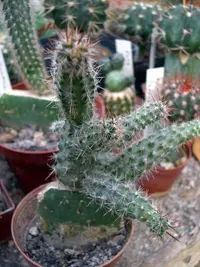
Apply a 1–2 cm layer of coarse grit or small rocks on the soil surface to keep the crown dry, reduce rot risk, and discourage fungus gnat larvae that thrive in organic mulches.

Cold rest management

Provide a cool, very dry winter rest by gradually reducing water in fall and moving the plant to 35–45°F with maximum light, which supports flower bud formation and long-term vigor.

Gradual sun hardening

When moving from indoor light or shade to full sun, increase direct sun exposure by 30–60 minutes every few days to prevent corking and sunburn while still allowing the spine color to develop fully.

Fine-tuned drainage test

Before long-term placement, test the potting mix by fully soaking it and ensuring excess water drains within 30–60 seconds and the surface dries within 24 hours, which is a practical benchmark for safe growing white fishhook cactus in containers.

Common Pests and Diseases

Red spider mites

This pest thrives in hot, very dry indoor or greenhouse conditions and can slowly weaken the cactus, especially young seed-grown plants. Symptoms include fine webbing in spine clusters, dull or rusty patches on the epidermis, and gradual loss of vigor.

Solution

Increase air movement and periodically hose or rinse the plant body to remove mites without soaking the root zone. If populations persist, apply a targeted miticide or insecticidal soap labeled for spider mites with a fine brush or spray only on the stem surface, repeating at 7–10 day intervals while keeping the substrate dry and light levels high.

Root mealybugs

This pest attacks the underground parts of the plant, particularly in mineral mixes kept too dry for long periods, and can cause sudden collapse despite an apparently healthy stem. Symptoms include poor growth, unexpected wilting, and white cottony masses on roots and around the base when the plant is unpotted.

Solution

Unpot the cactus, wash off all soil, and carefully rinse roots to remove insects and egg masses, then trim badly damaged roots. Treat the root zone with a systemic insecticide drench compatible with cacti, repot into fresh, sterile, very gritty substrate, and isolate the plant while monitoring nearby pots that share benches or trays as part of Sclerocactus intertextus plant care.

Basal stem rot

This disease develops in the transition zone between stem and root, often after overwatering, poor drainage, or prolonged cool, damp conditions. Symptoms include softening and browning at the base, a sour smell, and the stem leaning or detaching from the root system.

Solution

At the first sign of basal darkening, remove the plant from the pot, cut back all affected tissue with a sterile knife until only firm, healthy tissue remains, and allow the cut surface to dry and callus in warm, dry air for several days. Dust the wound with a dry sulfur or copper-based fungicide, then re-root the remaining healthy part in a nearly dry, highly mineral mix and water only once new roots are confirmed.

Fungal stem spotting

This disease appears after prolonged cool, wet weather or overhead watering on tightly spined stems. Symptoms include small brown to gray spots or scabs on the epidermis that may enlarge or coalesce, sometimes starting near old areoles or minor injuries.

Solution

Improve ventilation, avoid overhead watering, and keep the stem dry, especially during cool periods. Remove severely affected plants from high-humidity areas, disinfect cutting tools, and if spots spread, apply a low-residue fungicide labeled for cacti or succulents, focusing on preventative sprays before wet or cool spells.

Interesting Facts

Extremely local habitat

This cactus is native to a very limited area of the upper Rio Grande basin in New Mexico and nearby regions, where it grows on specific gypsum-rich and limestone-derived soils rather than across broad desert ranges.

Hooked and tangled spines

Its dense, interlocking spines curve and tangle over the stem surface, creating a cage-like structure that shades the plant body and helps reduce water loss in intense sun and wind.

Moisture-triggered flowering

Flowering often follows late winter or early spring moisture pulses, with pale pink to lavender flowers emerging when soil conditions briefly improve at the end of the cold season.

Botan icon

Did you know?

This species is considered rare and vulnerable in parts of its native range because it is highly specialized to narrow soil and climate conditions and is sensitive to habitat disturbance and illegal collection, so wild populations are monitored and often protected by conservation programs.

FAQs about white fishhook cactus

Lack of flowers usually comes from insufficient winter rest, poor light, or a plant that is still immature. Cooler, drier winter conditions, strong light, and a stable, lean feeding regime help trigger bud formation.

Grow Healthy Plants with Botan Care

Keep your plants happy and healthy with plant identification, disease detection, and easy care guidance.

Botan plant care app — identify plants on mobile

Explore More Plants