


Use deep containers
If grown in pots, choose a tall, heavy container so the deep taproot can develop and the plant will not tip over as stems elongate.

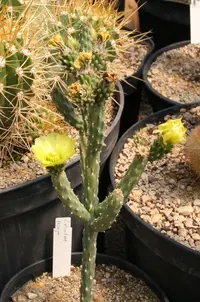
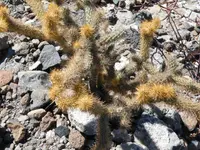
Tesajo cholla, Cylindropuntia tesajo, is a spiny desert cactus native to arid regions of northwestern Mexico. It forms narrow, upright, many-branched stems covered in dense, sharp spines. Mature plants can create thicket-like clumps that provide shelter and food for desert wildlife.
This species is adapted to intense sun, high heat, and very limited rainfall. It stores water in its stems and sheds weak segments easily, which helps it spread in harsh habitats.
For gardeners, it is a drought-tolerant plant that demands strong light, fast-draining soil, and minimal watering. Understanding these desert conditions is the key to how to care for Tesajo Cholla.

Care Difficulty
Moderate Care

Light Preference
Full Sun

Water Requirements
Low Water

Temperature Preference
Warm Climate

Hardiness Zone
9–11

Soil Texture
Sandy, Rocky, Loamy

Soil pH
Slightly acidic (6.5–7.0), Neutral (7.0)

Soil Drainage
Well-drained

Fertilization
Minimal (feed rarely)
Scan your plant to receive care tips personalized for your specific plant
Available on iOS and Android
This desert cactus thrives in strong, direct sun when gradually acclimated.
This species prefers very infrequent, deep watering and extremely fast-draining soil.
This cactus is adapted to hot, arid climates with brief cool periods.
This cactus handles dry air well, so humidity is rarely a concern indoors or outdoors.
This desert cactus needs very fast-draining, mineral-based soil to prevent root rot.
This species can be grown in containers if the pot is prepared for its dry, fast-draining needs and spiny, branching form.
This desert cactus needs only light feeding, as Cylindropuntia tesajo is adapted to nutrient-poor soils.
Pruning is mainly corrective and safety-focused for Cylindropuntia tesajo, not a routine shaping task.
Container-grown or young Cylindropuntia tesajo plants are transplanted infrequently due to slow, drought-adapted root systems.
Propagation of Cylindropuntia tesajo is commonly done from stem segments rather than seeds for faster establishment.
This species is fairly cold tolerant when dry but still benefits from basic winter care in cooler regions.

Plant Health Check
Not sure what's wrong with your plant? Check your plant's health inside the app.
This species is naturally restricted to the central part of the Baja California peninsula in Mexico, where it occupies very arid thornscrub and desert slopes rather than the wider range seen in many other chollas.
Compared with many related chollas, it has unusually thin, elongated stems with relatively sparse, fine spines, giving the plant a more delicate, twiggy appearance than heavily armored relatives.
The plant often forms low, tangled thickets by branching and rooting where stems contact the ground, allowing established clones to occupy patches of harsh, rocky terrain for long periods.
Lack of flowers usually comes from insufficient light, too much water, or a plant that is still immature. Ensure full sun, a dry, cool rest in winter, and avoid excess fertilizer, especially high-nitrogen products.
Keep your plants happy and healthy with plant identification, disease detection, and easy care guidance.

 POPULAR
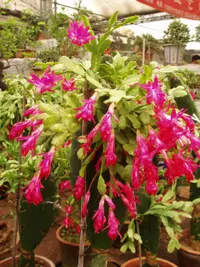
Thanksgiving Cactus
Schlumbergera truncata
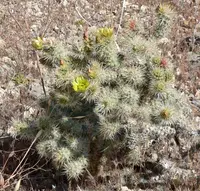
Wiggins' cholla
Cylindropuntia echinocarpa
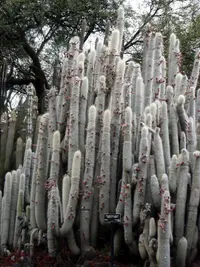
Silver torch cactus
Cleistocactus strausii
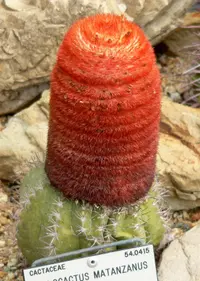
Dwarf turk's cap cactus
Melocactus matanzanus
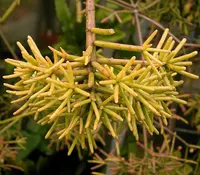
Rhipsalis teres
Rhipsalis teres
 POPULAR
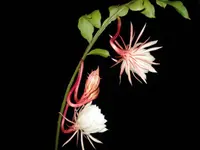
Queen of The Night
Epiphyllum oxypetalum
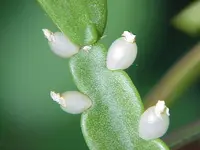
Rhipsalis micrantha
Rhipsalis micrantha
Brincadora Cholla
Cylindropuntia alcahes