Rhipsalis micrantha Care

Rhipsalis micrantha

About Rhipsalis micrantha

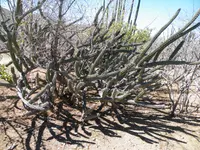
Rhipsalis micrantha is an epiphytic cactus from tropical forests of Central and South America, where it grows on trees rather than in desert soil. It forms long, thin, many-branched stems that hang or trail, creating a soft, cascading look instead of the typical spiny cactus shape.

This species prefers bright, filtered light and consistent, moderate moisture, reflecting its rainforest origins. It is considered relatively easy to grow indoors when extremes of dryness, strong sun, and heavy, compact soil are avoided. For many home growers, learning how to care for Rhipsalis micrantha starts with treating it more like a foliage houseplant than a desert cactus.

Main Plant Requirements

Care Difficulty

Moderate Care

Light Preference

Bright Indirect Light

Water Requirements

Moderate Water

Temperature Preference

Tropical / Frost Sensitive

Hardiness Zone

11–12

Soil Texture

Sandy, Loamy, Organic-rich

Soil pH

Acidic (5.5–6.5), Slightly acidic (6.5–7.0)

Soil Drainage

Moist but well-drained

Fertilization

Light (every 4–6 weeks)

Get Personalized Care Plan

Scan your plant to receive care tips personalized for your specific plant

Available on iOS and Android

How to Care for the Rhipsalis micrantha

This epiphytic cactus prefers soft, filtered light rather than harsh direct sun.

  • Provide 6–8 hours of bright, indirect light or light partial shade; morning sun filtered through a sheer curtain is suitable, but strong afternoon sun can scorch stems.
  • Outdoors, place in dappled shade under trees or on an east-facing balcony; avoid exposed south- or west-facing spots with intense midday sun.
  • If stems of Rhipsalis micrantha stretch, pale, or lean strongly toward a window, light is too low; move closer to a bright window or to a brighter shaded outdoor position.

Watering should keep the root zone lightly moist but never saturated for long periods.

  • Allow the top 2–3 cm of the mix to dry before watering again; in active growth, this often means watering when stems feel firm but the surface looks dry and lighter in color.
  • In winter or cooler, darker months, extend the drying period by several days so the mix becomes almost dry, then water thoroughly and let excess drain away fully.
  • Signs of overwatering include limp, yellowing, or translucent stems and sour-smelling soil; thin, wrinkled stems and very dry, pulling-away mix indicate underwatering in Rhipsalis micrantha.

This species prefers mild, stable temperatures without frost or extreme heat.

  • Ideal growth occurs at 65–80°F (18–27°C), with slight night drops supporting healthy metabolism and root function.
  • Avoid temperatures below 50°F (10°C); brief dips to 45°F (7°C) may be tolerated, but frost can damage or kill stems and roots.
  • In hot spells above 90°F (32°C), provide extra shade and airflow; do not place the plant near radiators, heat vents, or cold drafts during winter.

This epiphytic cactus prefers moderately humid air but copes with many typical home conditions.

  • Aim for 40–60% humidity to reduce stem shriveling and brown tips.
  • Tolerates short periods of drier air if soil moisture is kept steady and not allowed to fully dry for long.
  • Low humidity stress shows as dull, thinning stems; increase humidity with grouped plants, a pebble tray, or a small humidifier nearby.

This species needs a loose, fast-draining mix that mimics airy, organic forest debris.

  • Use a mix of roughly 50% fine orchid bark, 25% cactus mix, and 25% perlite or pumice for both drainage and moisture retention.
  • Aim for slightly acidic to neutral pH, around 5.5–7.0, which suits most commercial bark-based or cactus blends.
  • Keep texture chunky and airy so roots get oxygen; avoid compacted, peat-heavy mixes that stay wet and heavy.
  • Do not use garden soil or dense potting soil alone, as these trap water and raise the risk of root rot.

This species is well suited to container growing, including hanging pots and wall planters.

  • Choose a shallow but wide container to accommodate its fibrous, surface-oriented roots and trailing stems without deep, unused soil staying wet.
  • Select terracotta or other porous materials if extra evaporation is needed, or glazed pots in hotter, very dry rooms to slow drying.
  • Ensure the pot is stable or weighted, since long, trailing growth can pull over light containers when stems become dense and extended.

Light feeding supports healthy, segmented growth in Rhipsalis micrantha without forcing weak, lush tissue.

  • Use a balanced liquid cactus fertilizer (around 10-10-10) diluted to 25–50% strength.
  • Feed every 4–6 weeks in spring and summer when growth is active.
  • Skip or reduce feeding to 1 light dose the entire season in fall–winter.
  • Avoid high-nitrogen or slow-release products that can build up in the loose epiphytic mix.

Pruning Rhipsalis micrantha helps maintain a tidy hanging form and encourages branching.

  • Prune in late spring or early summer once active growth is visible.
  • Remove dead, shriveled, or storm-damaged stems with clean, sharp scissors or snips.
  • Shorten overly long or crowded stems to shape the plant and improve light penetration.
  • Disinfect tools before and after use to lower the risk of fungal or bacterial infection.

Repotting helps this epiphytic cactus avoid root compaction and depleted substrate.

  • Check every 2–3 years; repot when roots circle the pot, mix breaks down, or growth slows noticeably.
  • Plan to repot Rhipsalis micrantha in spring to allow quick recovery and new root growth.
  • Use a shallow pot with drainage and a very airy mix, such as cactus soil with extra bark and perlite.
  • Lift gently, tease circling roots slightly, then water lightly and keep in bright, indirect light for 1–2 weeks.

Stem cuttings give the most reliable results for multiplying Rhipsalis micrantha at home.

  • Take 5–10 cm healthy stem segments in spring or early summer using clean scissors.
  • Let cut ends callus in dry air for 1–2 days to reduce rot risk.
  • Insert cuttings into a barely moist, airy mix and keep at 68–77°F in bright, indirect light.
  • Maintain high humidity around cuttings but avoid waterlogged substrate until firm new roots form.

Cool, frost-free conditions are important for safe Rhipsalis micrantha indoor care in winter.

  • Keep plants above 50°F; this species is not frost tolerant and can be damaged by freezing temperatures.
  • Move containers indoors or into a greenhouse before the first frost date in your area.
  • Provide bright, indirect light and slightly drier soil, allowing the top layer to dry between waterings.

Care Tips

Rotate hanging pot

Rotate the hanging basket a quarter turn every 2–3 weeks so stems receive even light exposure and develop a balanced, symmetrical cascade instead of leaning to one side.

Support heavy stems

As stems lengthen and become top-heavy, add a wide wire hanger or interior hoop support so older segments do not crease at the soil line or snap under their own weight.

Segment propagation

When pruning, root 5–8 segment cuttings horizontally on the soil surface in a nursery pot; this creates a fuller, denser plant that can later be slipped back into the original container.

Seasonal light shift

In late autumn and winter, move the plant 0.5–1 m closer to a bright window to compensate for weaker light, then shift it back in spring to reduce burn risk when the sun strengthens.

Prevent salt buildup

Every 2–3 months, leach the pot by watering thoroughly until water runs from the drain holes for 30–60 seconds to flush out accumulated fertilizer salts that can burn fine roots when growing Rhipsalis micrantha.

Common Pests and Diseases

Mealybugs

This pest appears as small white cottony clusters trapped between stems, at segment joints, or near the base of hanging stems. Symptoms include sticky honeydew, weak growth, and eventual stem yellowing or collapse if populations build up.

Solution

Isolate the plant, then dab visible insects with cotton swabs dipped in 70% isopropyl alcohol and rinse stems gently with lukewarm water. For ongoing control when caring for Rhipsalis micrantha, repeat alcohol swabs weekly for several weeks and use a light horticultural soap spray on all stem surfaces, including hanging inner sections, while improving air circulation and avoiding overfertilizing.

Scale insects

These insects form small, flat or domed brown bumps on stems that do not rub off easily and may cause pale, stressed growth. Symptoms include sticky residue and occasional sooty mold growing on the honeydew they excrete.

Solution

Remove affected hanging stems or scrape off individual scales carefully with a soft tool or fingernail, then wipe stems with a cloth lightly moistened with 70% isopropyl alcohol. Follow up with 1–2 applications of insecticidal soap or horticultural oil at 7–10 day intervals, coating all stem surfaces and improving light and airflow so the plant can recover.

Spider mites

These insects are tiny and often invisible to the eye, but cause fine stippling, dull or grayish stems, and very fine webbing particularly in tangled hanging sections. Symptoms include slowed growth and a dry, stressed appearance, especially in warm, dry indoor air.

Solution

Shower the plant thoroughly with lukewarm water, focusing on the undersides of stems and dense inner areas, then apply insecticidal soap, repeating every 5–7 days for several cycles. Raise humidity to 40–60%, avoid placing the plant near heating vents, and regularly rinse stems to keep populations low.

Soft stem rot

This disease causes segments or entire hanging stems to become mushy, translucent, and foul-smelling, usually starting near the base or in spots that stay wet for long periods. Symptoms include sudden collapse of sections and easy detachment of rotten parts from the plant.

Solution

Cut away and discard all affected tissue with sterile tools, then let remaining healthy stems dry for 1–2 days before resuming light watering. Check that the potting mix is very well-drained, reduce watering frequency, empty saucers promptly, and if rot is extensive, take healthy cuttings and replant them in a fresh, airy cactus-epiphyte mix.

Edema

This disorder occurs when roots absorb water faster than the plant can use it, leading to small corky spots, blisters, or rough patches on stems. Symptoms include localized scarring rather than spreading lesions, often after periods of overwatering or sudden shifts from low to high light or humidity.

Solution

Allow the potting mix to dry slightly deeper between waterings and avoid heavy watering after long dry periods. Provide stable bright indirect light, moderate humidity, and good airflow; damaged tissue will not heal, but new growth should appear normal once watering and environment are balanced.

Interesting Facts

Neotropical forest epiphyte

This species naturally occurs as an epiphyte in warm, humid forests from southern Mexico through Central America into parts of South America, where it grows on tree branches instead of in soil, using its roots mainly for anchoring rather than for water storage.

Slender jointed stems

It forms long, thin, segmented stems with slightly constricted joints, which can become subpendulous to hanging over time, allowing the plant to drape from tree limbs or basket edges and efficiently intercept diffuse forest light.

Nocturnal flower opening

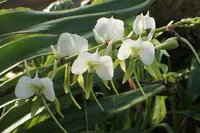
Its small, whitish flowers typically open in the evening or at night and are lightly scented, an adaptation thought to favor pollination by nocturnal insects in its shaded forest habitats.

Botan icon

Did you know?

In some parts of its native range, wild populations of this species are considered good indicators of relatively undisturbed, humid forest canopies, since it tends to establish and persist best where the local microclimate remains stable and tree cover is continuous.

FAQs about Rhipsalis micrantha

Growth is moderate rather than rapid. In good light and proper care, stems typically extend 5–15 cm per year. Growth slows in winter or if light, nutrients, or root space are limited. Regular repotting maintains steady growth.

Grow Healthy Plants with Botan Care

Keep your plants happy and healthy with plant identification, disease detection, and easy care guidance.

Botan plant care app — identify plants on mobile

Explore More Plants