sun-changing begonia Care (Begonia solimutata)

sun-changing begonia

About sun-changing begonia

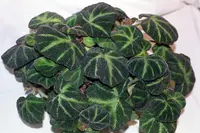
Begonia solimutata, often called sun-changing begonia, is a compact rhizomatous begonia grown mainly for its textured, color-shifting leaves. The foliage typically shows patterned green, bronze, and reddish tones that change with light exposure, giving the plant strong visual interest in small spaces.

This species comes from Brazil, where it grows in warm, shaded forest environments with steady humidity. In cultivation it prefers bright, indirect light, evenly moist but not soggy soil, and good air movement.

Its main challenges are sensitivity to overwatering, low humidity, and direct hot sun, which can damage roots or scorch leaves. With stable indoor conditions and gentle handling, it is moderately easy to care for sun-changing begonia.

Main Plant Requirements

Care Difficulty

Moderate Care

Light Preference

Bright Indirect Light

Water Requirements

Keep Soil Moist

Temperature Preference

Tropical / Frost Sensitive

Hardiness Zone

11–12

Soil Texture

Loamy, Peaty, Organic-rich

Soil pH

Acidic (5.5–6.5)

Soil Drainage

Moist but well-drained

Fertilization

Light (every 4–6 weeks)

Get Personalized Care Plan

Scan your plant to receive care tips personalized for your specific plant

Available on iOS and Android

How to Care for the sun-changing begonia

This species prefers bright, filtered light that protects its textured leaves from harsh sun.

  • Provide 3–5 hours of soft morning sun with bright shade or dappled light the rest of the day; avoid direct mid-day and afternoon sun.
  • In partial shade, leaves of sun-changing begonia still color well, but in very dim light growth becomes leggy and leaf patterns fade.
  • Outdoors, place under open tree canopies or a shaded patio; in winter, move closer to bright windows to compensate for shorter days.

Begonia solimutata needs evenly moist but never waterlogged soil to protect its fine roots from rot.

  • Water when the top 2–3 cm of soil feels dry, letting excess drain fully; avoid letting the pot sit in standing water.
  • In warm, active growth periods, expect to water more often; in cooler seasons or low light, reduce watering as drying time increases.
  • Watch leaves for cues: yellowing, mushy stems, or a sour smell suggest overwatering, while crisp edges and limp, thin leaves indicate underwatering.

This begonia grows best in stable, warm conditions without sudden temperature swings.

  • Aim for 65–80°F (18–27°C) for active growth; below 60°F (16°C) growth slows and stress increases.
  • Protect from cold: brief dips to 50°F (10°C) may be tolerated, but frost or freezing temperatures can kill stems and roots.
  • In heat above 85°F (29°C), increase air movement and shade, and avoid placing the plant near hot, reflective walls or metal surfaces.

This species prefers moderately high, stable humidity to keep foliage healthy and textured.

  • Aim for 50–70% humidity; below 40% often leads to crisp leaf edges and dull color changes in sun-changing begonia.
  • Watch for curled, brittle leaves and stalled growth as signs of air that is too dry.
  • Increase humidity with a nearby humidifier, grouped plants, or a pebble tray, avoiding direct misting on leaves.

Begonia solimutata grows best in a loose, airy, organic-rich potting mix that drains quickly yet holds some moisture.

  • Use a peat- or coco-based houseplant mix amended with perlite and fine bark to create a chunky, well-aerated structure.
  • Ensure fast drainage; water should exit the pot within seconds, leaving the mix lightly moist but never waterlogged.
  • Target slightly acidic to neutral pH around 6.0–7.0, which supports balanced nutrient availability and root health.
  • Avoid heavy garden soil, dense clay, or mixes dominated by fine compost that pack down and suffocate roots.

This species is well suited to container growing due to its compact, shallow root system.

  • Choose a wide, relatively shallow pot to match its lateral root spread and keep moisture distribution even.
  • Select plastic or glazed ceramic containers if slower moisture loss is needed, especially in dry indoor air.
  • Elevate the pot on feet or a stand so drainage holes stay clear and excess water cannot reabsorb into the mix.

This shade-loving species benefits from light, consistent feeding during its active season.

  • Use a balanced liquid fertilizer (such as 10-10-10 or 20-20-20) diluted to 1/4–1/2 strength for caring for sun-changing begonia.
  • Feed every 3–4 weeks in spring and summer when growth is active.
  • Skip or reduce feeding to once in 6–8 weeks in fall and winter, when growth slows.
  • Avoid heavy compost or strong slow-release pellets that can burn fine roots in small pots.

Begonia solimutata responds well to light, periodic pruning to maintain a compact, leafy shape.

  • Best time to prune is in late winter or early spring before vigorous new growth starts.
  • Use clean, sharp scissors or small pruners to remove dead, yellowing, or diseased leaves and stems.
  • Pinch or cut back leggy shoots above a node to encourage branching and a fuller plant.
  • Thin crowded stems to improve airflow and reduce the risk of fungal problems.

This species prefers slightly snug pots but benefits from timely repotting to maintain root health.

  • Repot every 1–2 years in spring, or when roots circle the pot base, emerge from drainage holes, or growth slows.
  • Choose a container 2–3 cm wider with good drainage and a light, airy potting mix suitable for begonias.
  • Gently loosen circling roots, trim any dead or mushy sections, and keep the original soil level around the stems.
  • Water lightly after repotting, then keep in bright, indirect light and slightly higher humidity to reduce transplant stress.

This begonia is commonly multiplied by stem or leaf cuttings under warm, humid conditions.

  • Take 5–8 cm stem tip cuttings or healthy leaf cuttings in late spring or summer.
  • Place cuttings in a moist, airy mix (such as peat and perlite) and maintain 70–75°F with high humidity.
  • Provide bright, indirect light and keep the medium just barely moist, not wet, to prevent rot.
  • Once new roots and leaves form, gradually reduce humidity and pot each plantlet into individual small containers.

This tropical begonia is frost-sensitive and needs mild, stable conditions in winter.

  • Keep plants indoors in winter in climates below 50°F, using bright, indirect light.
  • Maintain indoor temperatures around 60–70°F, avoiding cold drafts and sudden temperature drops.
  • Water less often in winter, letting the top layer of mix dry slightly between waterings to limit rot.
  • For outdoor containers in mild zones, move pots to a sheltered porch or greenhouse before first frost.

Care Tips

Use shallow pots

Choose a wide, shallow pot rather than a deep one to keep the rhizomes close to the surface, which reduces rot risk and makes it easier to monitor new growth and remove dead sections.

Surface rhizome grooming

Every few months, gently lift and trim away spent or shriveled rhizome segments at the soil surface, then top-dress with a thin layer of fresh mix to keep growth compact and foliage dense.

Strategic leaf thinning

Remove a few of the oldest, dullest leaves from crowded areas to improve air movement through the canopy, which helps limit fungal spotting and maintains good light distribution over the remaining foliage.

Seasonal watering shift

In late autumn and winter, slightly reduce watering frequency and avoid repotting so the plant can slow its growth naturally, then resume more regular moisture and any repotting at the start of active spring growth when growing sun-changing begonia.

Preventive pest scouting

Inspect the undersides of leaves and along the rhizomes every 1–2 weeks for early signs of mites, thrips, or mealybugs, and isolate and treat promptly with a horticultural soap or oil product at labeled rates if any are found.

Common Pests and Diseases

Powdery mildew

This disease often appears on Begonia solimutata as a white, powdery coating on upper leaf surfaces, especially in stagnant, humid indoor air. Symptoms include dull, distorted leaves and slowed growth.

Solution

Increase air movement around the plant, avoid overhead watering, and remove heavily infected leaves. Treat remaining foliage with a potassium bicarbonate, sulfur, or horticultural oil spray labeled for powdery mildew, applied in cool conditions and repeated as directed until new growth stays clean.

Botrytis blight

This disease causes soft, water-soaked spots that quickly develop gray, fuzzy mold, often where old flowers or damaged leaves sit on the foliage. Symptoms include rapid tissue collapse in cool, damp rooms or terrariums with poor airflow.

Solution

Remove and discard all affected leaves, flowers, and debris, and improve ventilation while reducing overcrowding and prolonged leaf wetness. Allow the top of the potting mix to dry slightly between waterings and, in severe cases, apply a fungicide labeled for botrytis on ornamentals, keeping sprays off open blooms when possible.

Mealybugs

These insects form white, cottony clusters in leaf axils, along stems, and sometimes on roots, feeding on sap and stressing the plant. This pest can cause yellowing, leaf drop, and sticky honeydew that encourages sooty mold growth.

Solution

Isolate the plant, then dab visible insects with cotton swabs dipped in isopropyl alcohol and wipe leaf surfaces thoroughly. For ongoing infestations, rinse foliage with lukewarm water, then use repeated applications of insecticidal soap or neem oil, ensuring good coverage of hidden crevices and checking nearby plants.

Spider mites

These pests thrive on Begonia solimutata in warm, dry indoor air, causing fine stippling, dull leaves, and delicate webbing on leaf undersides. Symptoms include progressively bronzed or crispy foliage if not controlled early.

Solution

Increase humidity around the plant and regularly rinse leaves, especially undersides, with a firm but gentle stream of lukewarm water. For persistent mites, use insecticidal soap or a horticultural oil spray on both sides of the leaves every 5–7 days for several cycles, and keep the plant slightly apart from others during treatment.

Bacterial leaf spot

This disease shows as small, water-soaked, translucent spots that may turn brown and angular, often starting on older leaves. Symptoms include rapid spread in warm, humid conditions and may lead to yellowing and leaf drop.

Solution

Promptly remove and discard affected leaves and avoid splashing water on the foliage, especially in low light. Improve airflow, space plants so leaves do not touch, and if the problem continues, discard severely affected specimens to protect nearby begonias, then restart with clean tools and fresh, well-draining medium to support healthy Begonia solimutata care.

Interesting Facts

Sun-responsive leaf mosaics

This species shows striking sun-induced color changes, with its leaf patterns becoming more pronounced and contrasting under higher light, which is the origin of the name solimutata, meaning changed by the sun.

Textured rainforest understory leaf

Native to Brazilian rainforest understory habitats, it has thick, blistered (bullate) leaves that help manage light and moisture on the leaf surface in a dim, humid environment.

Pronounced vein architecture

Its leaves display a strong network of raised veins that creates a quilted appearance, likely improving both mechanical support and distribution of water and nutrients across the leaf blade.

FAQs about sun-changing begonia

Brown, crispy leaf edges usually come from low humidity, excess fertilizer salts, or allowing the potting mix to dry out too far. Flush the soil occasionally, maintain stable indoor humidity, and avoid letting the plant sit bone-dry.

Grow Healthy Plants with Botan Care

Keep your plants happy and healthy with plant identification, disease detection, and easy care guidance.

Botan plant care app — identify plants on mobile

Explore More Plants