


Divide Slowly
When clumps become crowded, divide only a few rhizomes at a time, keeping at least 3–4 healthy leaves per division to avoid stressing the plant and to maintain an attractive, full appearance.

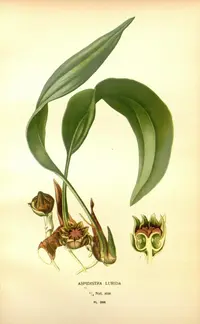
Aspidistra lurida is a shade-loving, evergreen perennial grown mainly for its tough, arching foliage rather than flowers. It forms low clumps that slowly expand from rhizomes, creating a dense, groundcover-like mass.
Leaves are usually narrow, leathery, and dark green, sometimes with subtle markings, giving a tidy, architectural look in low-light spaces. Flowers are small, close to the soil, and often go unnoticed.
This species occurs naturally in forest understories of East Asia, where light is filtered and soil stays evenly moist but not waterlogged. Its tolerance of low light, irregular watering, and average home conditions makes it relatively simple to care for Aspidistra lurida indoors or in sheltered outdoor shade.

Care Difficulty
Easy Care

Light Preference
Partial Shade

Water Requirements
Moderate Water

Temperature Preference
Warm Climate

Hardiness Zone
7–10

Soil Texture
Loamy, Clay, Organic-rich

Soil pH
Acidic (5.5–6.5), Slightly acidic (6.5–7.0)

Soil Drainage
Moist but well-drained

Fertilization
Minimal (feed rarely)
Scan your plant to receive care tips personalized for your specific plant
Available on iOS and Android
This shade-tolerant plant prefers soft, indirect light rather than direct sun.
This species prefers evenly moist, not soggy, soil and copes better with slight dryness than with waterlogged roots.
This plant tolerates a wide temperature range but grows best under mild, stable conditions.
This species grows well in typical indoor humidity but has some preferences.
Aspidistra lurida prefers a loose, airy medium that drains freely yet holds moderate moisture.
This species is well suited to container growing for homes and shaded patios.
Feeding Aspidistra lurida is helpful but should stay light and infrequent to match its slow growth.
Pruning Aspidistra lurida focuses on hygiene and tidiness rather than shaping.
Repotting or transplanting Aspidistra lurida is infrequent because the plant tolerates tight, crowded roots.
Propagation of Aspidistra lurida is most reliable by division rather than by seed.
Winter care for Aspidistra lurida is minimal where temperatures stay above about 20°F and soil drains well.

Plant Health Check
Not sure what's wrong with your plant? Check your plant's health inside the app.
The flowers form at or just above the soil surface, often hidden among leaf bases, which makes them easy to miss unless the plant is inspected closely at ground level.
Many forms have leaves with irregular dark blotches or streaks, a pattern that helps break up the leaf outline on the forest floor and may provide camouflage in dappled shade.
The low, bowl-shaped flowers are thought to be visited by small ground-dwelling invertebrates, an unusual pollination strategy compared with many houseplants that rely on flying insects.
Yellowing leaves usually result from overwatering, poor drainage, or long-term use of very hard tap water causing mineral buildup. Check the roots for rot, improve drainage, trim damaged foliage, and adjust watering frequency to the plant’s slow growth.
Keep your plants happy and healthy with plant identification, disease detection, and easy care guidance.

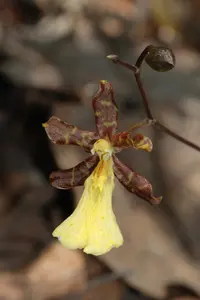
Oncidium brachyandrum
Oncidium brachyandrum
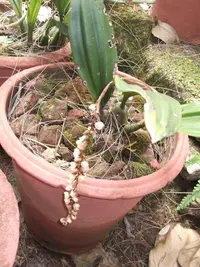
Pale Pholidota
Coelogyne pallida
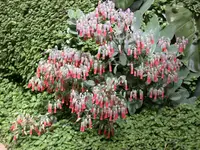
Kalanchoe laxiflora
Kalanchoe laxiflora
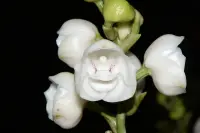
Dove orchid
Peristeria elata
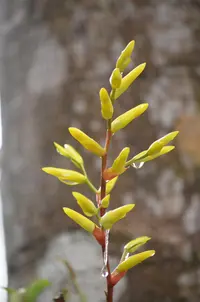
Vriesea rodigasiana
Vriesea rodigasiana
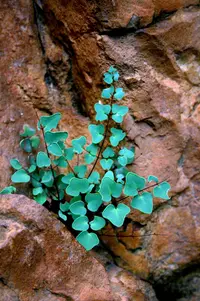
Hemionitis calomelanos
Hemionitis calomelanos
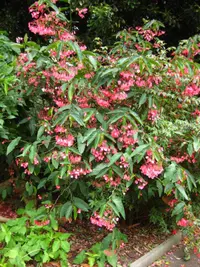
Scarlet begonia
Begonia coccinea
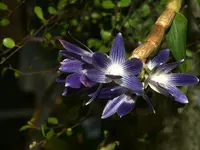
Queen Victoria's Dendrobium
Dendrobium victoriae-reginae