Scheer's fishhook cactus Care (Sclerocactus scheerii)

Also known as: Tobusch Fishhook Cactus
Scheer's fishhook cactus

About Scheer's fishhook cactus

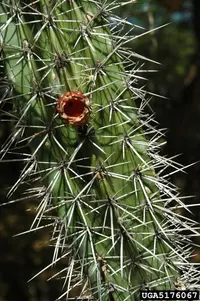
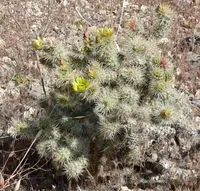
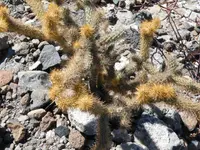
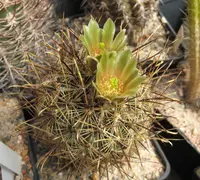
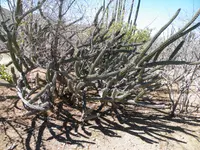
Scheer's fishhook cactus (Sclerocactus scheerii) is a small, slow-growing desert cactus known for its dense, hooked spines and rounded, compact body. It usually stays low to the ground and can form small clusters over time.

This species is native to arid regions of the southwestern United States and northern Mexico, where it grows in rocky, well-drained soils. In spring, it produces showy, funnel-shaped flowers that contrast strongly with the spines.

Because of its sensitivity to excess moisture and its need for strong light, it can be challenging for beginners. A grower who wants to learn how to care for Scheer's fishhook cactus should focus on very sharp drainage, bright light, and careful watering.

Main Plant Requirements

Care Difficulty

Hard Care

Light Preference

Full Sun

Water Requirements

Low Water

Temperature Preference

Cold Hardy

Hardiness Zone

5–8

Soil Texture

Sandy, Rocky, Loamy

Soil pH

Slightly acidic (6.5–7.0), Neutral (7.0)

Soil Drainage

Well-drained

Fertilization

Minimal (feed rarely)

Get Personalized Care Plan

Scan your plant to receive care tips personalized for your specific plant

Available on iOS and Android

How to Care for the Scheer's fishhook cactus

This desert cactus needs strong sun with some seasonal protection to avoid stress.

  • Provide 6–8 hours of direct sun daily, ideally with morning sun and light afternoon shade in very hot, low-humidity climates.
  • In cooler or high-altitude areas, Scheer's fishhook cactus tolerates full sun all day, but introduce higher light gradually to avoid scorch.
  • In summer heat waves, protect from intense afternoon sun with a shade cloth (30–40%) to prevent tissue bleaching and wrinkling.

Watering must be infrequent and precise to avoid root rot in this drought-adapted cactus.

  • Let the top 3–5 cm of soil dry completely before watering; the soil should feel dry and gritty, not cool or damp.
  • In spring and early summer, water deeply but rarely, then allow fast drainage; reduce to light sips or no water during hottest dormancy and in winter.
  • Watch for overwatering signs like yellowing, soft tissue, or a sour smell, and underwatering signs like deep wrinkling that does not plump within a few days after watering.

This species prefers warm, dry conditions but can tolerate significant cold if kept dry.

  • Aim for 65–85°F (18–29°C) during active growth; short peaks up to 95°F (35°C) are tolerated if airflow is good and soil is not waterlogged.
  • Keep the plant dry and protected when temperatures drop near 25–32°F (-4–0°C); extended freezing with moist soil greatly increases rot risk.
  • In winter, a cool, very dry rest at 40–50°F (4–10°C) supports flowering; avoid rapid swings between warm, wet conditions and sudden cold.

This cactus prefers very dry air and does not need extra humidity.

  • Aim for 20–40% relative humidity, similar to a dry indoor room or arid outdoor climate.
  • Excess humidity above ~50% can cause soft, pale tissue, corky spots, or fungal patches near the base.
  • If air is humid, increase airflow with a fan or open window and keep the plant away from kitchens, bathrooms, and humidifiers.

This species needs a very fast-draining, mineral-heavy substrate that dries quickly after watering.

  • Use a gritty mix such as 60–80% mineral components (pumice, coarse sand, fine gravel) with 20–40% low-organic cactus mix.
  • Aim for slightly alkaline to neutral pH around 7.0–8.0, avoiding peat-heavy mixes that stay acidic and wet.
  • Create sharp drainage by using large drainage holes and a coarse bottom layer of gravel so water leaves the pot within seconds.
  • Avoid compact, loamy, or high-compost substrates that hold water, as Sclerocactus scheerii roots rot quickly in oxygen-poor conditions.

This species can be grown in containers if the pot supports rapid drainage and root stability.

  • Choose a heavy, low clay or ceramic pot to prevent tipping, since the spiny stem can become top-heavy relative to the root system.
  • Select a container just slightly wider than the root ball, as oversized pots keep the mix wet for too long below the roots.
  • Use a shallow but broad pot if possible, which allows a wide mineral layer where water spreads thinly and evaporates quickly rather than pooling.

This cactus evolved in very poor soils, so Scheer's fishhook cactus needs only modest, careful feeding in containers.

  • Use a low-dose, balanced cactus fertilizer (around 5-5-5) or dilute 10-10-10 to 25% strength in spring and early summer.
  • Feed at most once every 4–6 weeks during active growth, only on moist soil to limit root burn.
  • Avoid organic compost or rich slow-release pellets that retain moisture around the roots.
  • Stop feeding completely in late summer and keep it unfertilized through fall and winter dormancy.

Sclerocactus scheerii requires almost no pruning and should be left as natural as possible.

This species prefers tight, long-term containers and resents disturbance, so repot or transplant Sclerocactus scheerii only when clearly necessary.

  • Check for roots circling drainage holes, cracking pots, or stalled growth as main signs it needs more space.
  • Plan any repotting for late spring, every 5–7 years at most, using a very fast-draining mineral cactus mix.
  • Handle the plant with thick gloves or folded newspaper, keeping the root ball as intact as possible.
  • Allow roots to dry and heal for 3–5 days before the first light watering to reduce transplant shock and rot risk.

Propagation of Sclerocactus scheerii is specialized and usually done from seed by experienced growers.

This cactus is quite cold hardy when kept dry, but container plants need some targeted winter care.

  • Tolerates light freezes and brief drops below 20°F if the root zone stays dry and well aerated.
  • In-ground plants benefit from a gravel mulch that sheds winter moisture away from the crown.
  • Keep containers under a shelter or cold frame to avoid prolonged rain or snow on the stems.
  • In very wet or extremely cold climates, move potted plants to a bright, unheated indoor or garage space.

Care Tips

Deep container choice

Use a narrow, deep clay pot with large drainage holes to accommodate the taproot and reduce the risk of rot in the root neck area.

Mineral mulch layer

Top-dress the soil with a 1–2 cm layer of coarse grit or small lava rock to keep the stem base dry and prevent algae or moss around the neck of the cactus.

Cold rest management

Provide a cool, very dry winter rest around 40–50°F and protect the pot from winter rain, as this seasonal dormancy strongly improves long-term survival and flowering when growing Scheer's fishhook cactus.

Rain protection outdoors

If grown outside, place the pot under a fixed overhang or use a simple cold frame so natural light and air reach the plant but heavy rain cannot saturate the substrate.

Root health checks

Every 2–3 years, unpot in late winter, inspect roots for rot or mealybugs, trim any damaged tissue, and repot into fresh, gritty mix just before the active growing season starts.

Common Pests and Diseases

Red spider mites

This pest thrives on stressed, very dry greenhouse or indoor plants and can form fine webbing between ribs and spines. Symptoms include dull, grayish epidermis and tiny pale speckling on the cactus surface.

Solution

Increase air movement and, if indoors, periodically hose the plant with a firm but controlled jet of water to dislodge mites, keeping the crown dry. For persistent infestations, use a targeted miticide labeled for cacti and treat all nearby plants, repeating according to label while avoiding spraying in strong sun or extreme heat.

Mealybugs

These insects hide in spine clusters and at the base of the stem, appearing as small white cottony masses. Symptoms include weak new growth, honeydew deposits, and sooty mold developing on the exudates.

Solution

Isolate the plant, then remove visible mealybugs with a cotton swab dipped in isopropyl alcohol, taking care to reach into spine bases and areoles. For heavier infestations, apply a systemic insecticide suitable for succulents or use repeated applications of an insecticidal soap, allowing the soil to dry fully between treatments.

Fungal crown rot

This disease develops when water sits in the top of the cactus or when soil stays cold and wet, especially in cultivation outside its native desert conditions. Symptoms include soft, dark, sunken tissue at the stem apex, sometimes with a slight odor, that expands rapidly.

Solution

At the first signs, move the plant to a warm, very dry, well-ventilated place and stop watering completely while the tissue is firming. If the rot is localized and the plant is valuable, cut away all affected tissue with a sterile blade, dust the wound with a dry sulfur or copper-based fungicide, and reestablish the plant in a coarse, fast-draining mineral mix with strict watering control.

Fusarium stem canker

This disease is favored by wounds from spines or handling combined with high moisture and poor drainage. Symptoms include localized reddish-brown streaks or cankers on the stem, sometimes with internal discoloration following the vascular tissue.

Solution

Remove and destroy affected plants or severely diseased stems to prevent spread, and always sterilize cutting tools between plants. Improve drainage with a high-mineral substrate, water only during active warm-season growth, and consider a preventive systemic fungicide drench for valuable collections kept in humid or greenhouse conditions.

Interesting Facts

Desert gypsum specialist

This cactus often grows on gypseous or calcareous soils in the Chihuahuan Desert, showing a strong preference for mineral-rich, harsh substrates where few other plants can establish.

Hooked spine adaptation

Its stiff, strongly hooked central spines help shade the stem, trap wind-blown debris, and may slightly reduce herbivory by making the plant more difficult for animals to bite.

Pink to magenta blooms

Mature plants produce relatively large pink to magenta flowers compared to the small body size, which open in spring and are pollinated mainly by native bees in their desert habitat.

Botan icon

Did you know?

This species is considered rare and localized in the wild, with several populations of conservation concern because of its restricted range, specialized habitat, and pressures from habitat disturbance and illegal collecting.

FAQs about Scheer's fishhook cactus

Growth is very slow. In cultivation, it may add only a few millimeters in height each year and can take many years to reach even 5–8 cm, even under good conditions and proper Sclerocactus scheerii care.

Grow Healthy Plants with Botan Care

Keep your plants happy and healthy with plant identification, disease detection, and easy care guidance.

Botan plant care app — identify plants on mobile

Explore More Plants