Eulychnia castanea Care

Eulychnia castanea

About Eulychnia castanea

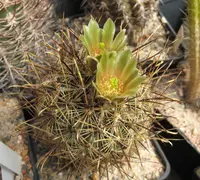
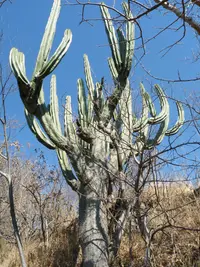
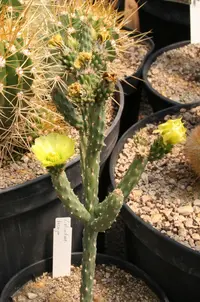
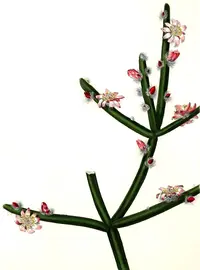
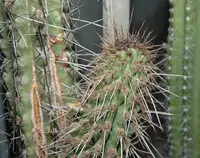
Eulychnia castanea is a tall, columnar cactus native to coastal and Andean regions of Chile. In habitat, it often forms branched, tree-like clumps with many upright stems. The stems are ribbed, armed with sharp spines, and can produce white to pinkish flowers, followed by edible fruits. This species is adapted to strong sun, poor rocky soils, and dry, windy conditions. It is generally slow growing but long lived when kept dry and well lit. For those who want to care for Eulychnia castanea successfully, it is important to provide bright light, very free-draining soil, and careful watering that avoids prolonged moisture around the roots.

Main Plant Requirements

Care Difficulty

Moderate Care

Light Preference

Full Sun

Water Requirements

Low Water

Temperature Preference

Warm Climate

Hardiness Zone

9–11

Soil Texture

Sandy, Rocky, Loamy

Soil pH

Slightly acidic (6.5–7.0), Neutral (7.0)

Soil Drainage

Well-drained

Fertilization

Minimal (feed rarely)

Get Personalized Care Plan

Scan your plant to receive care tips personalized for your specific plant

Available on iOS and Android

How to Care for the Eulychnia castanea

This tall, columnar cactus thrives in strong sun but benefits from gradual exposure in hot, dry regions.

  • Provide 6–10 hours of direct sun daily, with intense midday sun in very hot climates softened by light shade cloth or neighboring plants.
  • Allow full morning sun and drier, airy conditions; brief late-afternoon shade helps prevent stem scorch and corky, sunburned patches.
  • In winter, maintain maximum light exposure; prolonged shade leads to pale, elongated growth and weaker spines.

This species is highly drought-tolerant and must dry well between waterings to avoid root problems.

  • In the growing season, water only when the top 5–8 cm of soil are completely dry, letting water drain quickly away from the roots.
  • Choose very fast-draining, gritty soil and slightly sloped or raised sites so rain does not pool around the base of Eulychnia castanea.
  • Reduce or stop watering in cool months; shriveling ribs signal mild thirst, while soft, yellowing tissue indicates overwatering.

This cactus prefers warm, arid conditions but can handle moderate temperature swings when kept dry.

  • Aim for 70–90°F (21–32°C) during active growth, with good air movement to reduce heat stress in full sun.
  • Protect from frost; brief dips to 28–32°F (-2–0°C) may be survived if soil is dry, but repeated freezes damage tissue.
  • In cooler seasons, a dry rest at 45–55°F (7–13°C) is tolerated, while extreme heat above 100°F (38°C) requires extra airflow and dry soil.

This cactus prefers dry air and does not need increased humidity.

This species needs a very fast-draining, mineral-rich substrate to prevent root rot.

  • Use a gritty, sandy mix with 50–70% mineral content such as coarse sand, pumice, or small gravel.
  • Aim for slightly acidic to neutral pH around 6.0–7.0, avoiding strongly acidic or alkaline substrates.
  • Combine commercial cactus mix with extra pumice or perlite to improve aeration and speed water flow through the pot.
  • Avoid dense, peat-heavy, or clay-based soils that stay wet or compact around the roots of Eulychnia castanea.

This cactus is suitable for container growing, especially in cooler or wetter climates.

  • Select a deep, heavy pot to counterbalance the tall, columnar stems and reduce tipping in windy spots.
  • Choose unglazed clay if extra evaporation is needed, or glazed ceramic in very hot, arid conditions to slow moisture loss.
  • Use a pot width that allows some lateral root spread while keeping the root zone dense enough to dry within a few days after watering.

This arid-climate cactus needs very modest feeding, especially when grown in lean, sandy soil.

  • Use a low-dose cactus fertilizer or very dilute balanced NPK (around 1/4 strength) during active growth in spring–summer.
  • Feed every 6–8 weeks at most; many established plants in the ground need no additional nutrients.
  • Avoid compost-rich mixes; excess organic matter can cause weak growth and rot in Eulychnia castanea.
  • Stop feeding in fall and winter to allow full dormancy and reduce the risk of soft, cold-sensitive tissue.

This columnar cactus needs minimal pruning, mainly for safety and plant health.

  • Carry out any pruning in late spring or early summer when growth is active and healing is faster.
  • Remove only dead, diseased, storm-damaged, or dangerously leaning stems, cutting back to firm, healthy tissue.
  • Thin congested stems slightly if airflow or access is limited, preserving the plant’s natural columnar form.
  • Use clean, sharp tools and thick gloves; allow cut surfaces to dry and callus in a bright, airy place.

This slow-growing cactus dislikes frequent disturbance, so repot or transplant only when clearly needed.

  • Repot when roots circle the pot, emerge from drainage holes, or growth slows despite good light and care.
  • Plan repotting for late spring, using a dry, fast-draining cactus mix and a pot only 2–5 cm wider.
  • Water lightly 5–7 days after repotting to limit root stress and reduce the chance of rot.
  • For in-ground plants, transplant only young specimens; move in late spring and keep roots as intact as possible.

This species is most often propagated from stem cuttings, though seeds are also possible for patient growers.

  • Take healthy stem sections in late spring–summer, cutting with a clean, sharp blade.
  • Let cuttings dry and callus for 7–14 days in shade before placing on barely moist cactus mix.
  • Provide bright, indirect light and warm temperatures (70–80°F) to encourage rooting with minimal water.
  • Sow seeds on the surface of sterile, gritty mix, keep lightly moist, and ventilate to prevent damping-off.

This cactus prefers mild, dry winters and suffers in prolonged hard frost.

  • Hardy only to about 25–28°F; extended freezes can scar or kill stems, especially in containers.
  • In colder regions, move potted plants indoors to a bright, cool, dry spot before the first hard frost.
  • Keep soil almost dry in winter; excess moisture in cold conditions greatly increases rot risk.
  • In the ground, use a very gravelly bed and, in wet climates, provide a simple rain shelter over the crown.

Care Tips

Stabilize Tall Stems

As the columnar stems lengthen, anchor the pot with a heavier cachepot or top-dress with gravel and install a discreet bonsai wire loop or stake to prevent wind or handling from toppling the plant.

Encourage Even Columns

Rotate the container 90° every 3–4 weeks during active growth so all sides receive similar light exposure, which helps maintain straight, evenly ribbed columns instead of leaning growth.

Protect From Summer Rains

If grown outdoors, move the pot under an overhang or use a clear rain shield during extended wet spells to prevent water collecting in the crown, which can lead to localized rot in the growing point.

Cool-Season Rest Setup

In late fall, gradually shift the plant to a brighter, cooler, very dry spot (around 45–55°F indoors if possible) to promote a proper winter rest that supports stronger growth and flowering the following season.

Safe Handling Routine

When repotting or inspecting roots, wrap the stems with folded newspaper or thick towels and tape lightly so you can handle the plant without breaking spines or damaging the waxy cuticle that reduces water loss when caring for Eulychnia castanea.

Common Pests and Diseases

Scale insects

This pest feeds on the cactus stems, appearing as small, hard, tan or brown bumps that excrete sticky honeydew and can cause yellowing or weakened growth.

Solution

Physically remove visible scale with a cotton swab dipped in isopropyl alcohol, then rinse the plant with a strong but controlled jet of water and, if needed, apply a horticultural oil labeled for cacti, ensuring the plant dries quickly in bright, airy conditions to prevent further stress while caring for Eulychnia castanea.

Mealybugs

These insects hide in stem crevices and around areoles as white, cottony masses, sucking sap and causing shriveling and reduced vigor.

Solution

Isolate the plant, dab visible mealybugs with isopropyl alcohol on a cotton swab, then repeat inspections weekly and use an insecticidal soap or systemic insecticide suitable for cacti if infestations persist, keeping the plant in a dry, well-lit spot during treatment.

Spider mites

This pest thrives in hot, very dry conditions, causing fine stippling, dull or rusty patches on stems, and sometimes fine webbing between spines.

Solution

Increase air movement, rinse the stems thoroughly with lukewarm water to remove mites, then use a miticidal soap or a targeted miticide and repeat treatments as directed while avoiding overhead watering during cooler periods to limit new outbreaks.

Fungal stem spots

This disease produces small, sunken, brown to black lesions on the green stem surface, often starting where the skin was bruised or kept damp for long periods.

Solution

Cut out affected tissue with a sterile knife if lesions are localized, dust the wound with a dry sulfur or copper-based fungicide, allow the plant to dry in bright, indirect light, and improve drainage and watering intervals so the stem surface stays dry most of the time.

Interesting Facts

Coastal fog specialist

This cactus is native to the hyper-arid coastal hills of northern Chile, where it relies heavily on ocean fog rather than rainfall as its main moisture source.

Spine-protected fruits

It produces edible, chestnut-colored fruits with a tough, spiny exterior that protects the seeds from many herbivores while still attracting specialized local wildlife.

Columnar giant form

Mature plants can form tall, branched columns with many ribbed stems, creating dense, tree-like clumps that offer structure and shelter in otherwise sparse desert shrublands.

Botan icon

Did you know?

Some populations of this species are so tightly tied to narrow coastal fog zones in Chile that shifts in fog patterns and land use have made it of conservation concern in parts of its natural range, prompting habitat monitoring and protection efforts.

FAQs about Eulychnia castanea

Growth is slow to moderate. Young plants may add only a few cm per year, while well-established specimens in warm, dry climates can extend 5–15 cm annually, depending on light intensity, temperature, and root space.

Grow Healthy Plants with Botan Care

Keep your plants happy and healthy with plant identification, disease detection, and easy care guidance.

Botan plant care app — identify plants on mobile

Explore More Plants