buttonsage Care (Lantana involucrata)

buttonsage

About buttonsage

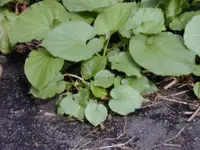
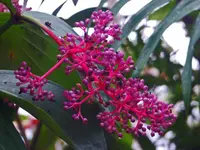
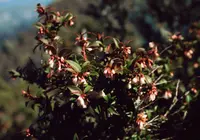
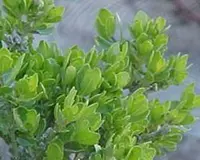
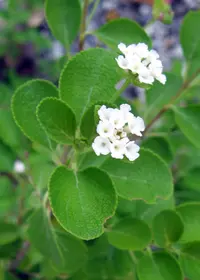
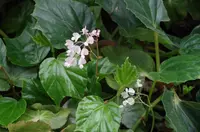
Buttonsage, Lantana involucrata, is a small, evergreen shrub known for its rounded clusters of white to pale lavender flowers and aromatic foliage. It often forms a dense, bushy habit that suits coastal gardens and low hedges.

This species is native to Florida, the Caribbean, and parts of Central and South America, where it grows in dry scrub, coastal thickets, and open woodland. It is valued for its high heat and drought tolerance, which makes it relatively simple to care for buttonsage in warm climates.

The plant prefers full sun, well-drained soil, and moderate watering, and it can handle poor, sandy sites once established.

Main Plant Requirements

Care Difficulty

Easy Care

Light Preference

Full Sun

Water Requirements

Low Water

Temperature Preference

Tropical / Frost Sensitive

Hardiness Zone

10–11

Soil Texture

Sandy, Loamy, Rocky

Soil pH

Acidic (5.5–6.5), Slightly acidic (6.5–7.0)

Soil Drainage

Well-drained

Fertilization

Minimal (feed rarely)

Get Personalized Care Plan

Scan your plant to receive care tips personalized for your specific plant

Available on iOS and Android

How to Care for the buttonsage

This sun-loving shrub flowers best with strong light and warm conditions.

  • Provide 6–8 hours of direct sun daily; morning sun and light afternoon shade suit buttonsage in hot regions.
  • Tolerates partial shade with 3–4 hours of sun, but flowering and compact growth decrease as shade increases.
  • In summer, protect from intense, reflected afternoon sun in very hot, dry sites to reduce leaf scorch; in winter, avoid deep shade from buildings or trees.

This species prefers drying slightly between waterings and does not tolerate waterlogged soil.

  • Water when the top 3–5 cm of soil feels dry, soaking the root zone, then let excess drain freely to avoid root rot.
  • In hot, dry periods, expect to water more often as leaves soften or slightly wilt; reduce frequency in cool or rainy weather.
  • Use well-drained, sandy or loamy soil; yellowing, soft leaves suggest overwatering, while crisp, browning leaf edges point to underwatering in Lantana involucrata.

This warm-climate shrub grows best in consistently mild to hot conditions without frost exposure.

  • Aim for 70–85°F (21–29°C) for strong growth and flowering, with acceptable performance from about 60–90°F (16–32°C).
  • Plants are frost-sensitive and can be damaged below 32°F (0°C); growth slows noticeably under 55°F (13°C).
  • Handles short hot spells up to 95–100°F (35–38°C) if soil is not soggy and roots are mulched; protect from cold winds in cooler seasons.

This species handles a wide humidity range and rarely needs special humidity management outdoors.

  • Target 30–60% humidity, which matches typical outdoor and household air in much of the US.
  • Plants tolerate dry air but may show slight leaf edge browning or slower growth in very arid, windy sites.
  • If buttonsage shows stress in extremely dry climates, group plants near other vegetation or a mulched bed to slightly raise local humidity.

Lantana involucrata prefers lean, well-draining soil that never stays waterlogged.

  • Use a sandy or sandy-loam mix with coarse texture to keep water moving through the root zone.
  • Aim for slightly acidic to slightly alkaline conditions around pH 6.0–7.5, which this shrub tolerates well.
  • Blend native soil with coarse sand and a small amount of compost to add structure without making it heavy or soggy.
  • Avoid heavy clay, peat-heavy mixes, or sites where water pools, and improve aeration with coarse sand or fine gravel if drainage is slow.

This species grows well in containers when the pot supports its woody, spreading habit.

  • Choose a wide, relatively deep container to give the woody root system lateral space and prevent tipping as stems spread.
  • Select a sturdy clay or thick plastic pot, since added weight or wall thickness helps stabilize the top growth in wind-exposed positions.
  • Ensure large, unobstructed drainage holes and elevate the pot slightly on feet or bricks so excess water clears quickly from the base.

This coastal shrub benefits from light, targeted feeding but grows acceptably in lean soils.

  • Apply a balanced slow-release fertilizer (for example 10-10-10) at 1/2 label rate once in early spring and again midsummer.
  • In poor soils, work a thin layer of compost into the top 2–3 in to support flowering and overall vigor in buttonsage.
  • During the growing season, avoid high-nitrogen lawn fertilizers nearby, which push leafy growth over blooms.
  • Stop feeding in late fall and winter, when growth slows, to prevent weak, frost-tender shoots.

Thoughtful pruning keeps Lantana involucrata compact, floriferous, and tidy.

  • In late winter or very early spring, shorten stems by about 1/3 to encourage dense new growth and more flowers.
  • Throughout the growing season, remove dead, diseased, or crossing branches with clean, sharp hand pruners.
  • Lightly tip back leggy shoots after a flush of bloom to maintain shape and encourage branching.
  • Deadhead spent flower clusters if seed production is not desired, focusing on cutting just above a healthy leaf node.

This species is more often grown in the ground, but container plants or young shrubs may need occasional transplanting.

  • Check for roots circling the pot, water running straight through, or stalled growth as indicators that a larger container or planting spot is needed.
  • Plan transplanting for late winter to early spring in mild climates, or after frost risk has passed, aiming for every 2–3 years in containers.
  • Handle the root ball gently, loosening only the outer circling roots, and set the plant at the same soil level in its new site.
  • Water thoroughly after planting, shade lightly for a few days if sun is intense, and keep soil evenly moist to limit transplant shock.

New plants are most reliably produced from semi-ripe stem cuttings, though seeds are also possible.

  • Take 7–10 cm semi-ripe cuttings in late spring to summer, choosing non-flowering shoots with firm but still flexible tissue.
  • Remove lower leaves, dip the cut end in rooting hormone, and insert into a moist, well-drained mix such as 50% perlite and 50% peat or coco coir.
  • Maintain warm conditions around 70–75°F, with bright indirect light and high humidity until roots form, usually in several weeks.
  • Sow fresh seed in spring on a free-draining mix, keep lightly moist and warm, and transplant seedlings once roots hold the medium.

This tropical shrub is frost-sensitive and needs protection in climates with cold winters.

  • In USDA zones 10–11, plants usually overwinter in the ground with minimal care aside from good drainage.
  • Where light frosts occur, mulch the root zone with 5–7 cm of organic material to buffer soil temperatures.
  • In colder regions, grow in containers and move indoors to a bright, cool room before temperatures drop near 40°F.

Care Tips

Salt-tolerant siting

Use this shrub as a front-line plant in coastal gardens, where its natural salt tolerance lets it handle light sea spray and windy, exposed conditions better than many ornamentals.

Wildlife-friendly placement

Position plants where flowers are visible and accessible, such as near patios or paths, to support pollinators like butterflies and small native bees that are strongly attracted to its nectar.

Low-input groundcover

Space plants 60–90 cm apart in sunny, open areas and allow them to knit together into a low, informal hedge or groundcover that shades soil, suppresses weeds, and reduces long-term maintenance.

Hurricane-ready shaping

In storm-prone regions, keep plants slightly lower and denser by selectively shortening the tallest stems before peak storm season so the shrub flexes instead of snapping in high winds.

Native-plant integration

Combine this species with other dry-tolerant coastal natives in mixed borders, which creates a resilient planting that needs less irrigation and fertilizer when growing buttonsage in sandy soils.

Common Pests and Diseases

Lantana lace bug

This insect feeds on the underside of leaves, causing pale stippling that can progress to bronzing and leaf drop, especially in hot, dry conditions.

Solution

Inspect leaf undersides regularly and prune out heavily infested shoots; for light infestations, dislodge insects with a strong stream of water, and for persistent problems use a horticultural oil or insecticidal soap directed to the leaf undersides while avoiding treatment during high heat or full sun.

Aphids

These insects cluster on tender shoot tips and flower stems, sucking sap and excreting sticky honeydew that can attract ants and lead to sooty mold on foliage.

Solution

Pinch or prune off badly infested tips, then wash remaining colonies off with a firm spray of water; if needed, apply insecticidal soap or neem oil thoroughly to growing points in the early morning and repeat at 5–7 day intervals until populations decline.

Whiteflies

This pest appears as small white insects that flutter up when the plant is disturbed, with nymphs feeding on leaf undersides and causing yellowing, leaf drop, and honeydew buildup.

Solution

Use yellow sticky cards to monitor and reduce adult numbers, regularly hose down foliage to remove nymphs, and if infestations persist, treat the undersides of leaves with insecticidal soap or horticultural oil, repeating applications to catch successive life stages.

Powdery mildew

This disease produces a white, powdery coating on leaves, often in shaded or crowded conditions, leading to distorted growth and premature leaf drop if severe.

Solution

Improve air circulation by thinning dense growth and avoiding overhead watering, remove the worst-affected leaves, and if needed apply a labeled fungicide or a potassium bicarbonate-based spray at the first signs of disease, keeping foliage as dry as possible between treatments to support better Lantana involucrata care.

Anthracnose leaf spot

Symptoms include small water-soaked spots on leaves that enlarge into tan or brown lesions, sometimes with darker margins, which can coalesce and cause partial defoliation in warm, humid weather.

Solution

Promptly remove and dispose of infected leaves, avoid overhead irrigation, space plants for airflow, and in recurring cases apply a copper-based or other labeled foliar fungicide during humid periods, focusing on new growth where infections tend to begin.

Interesting Facts

Native coastal shrub

This species is native to coastal areas of Florida, the Caribbean, and parts of Central and South America, where it naturally grows in sandy, calcareous soils near the sea.

Key pollinator resource

Its small, tubular, white to pale-lilac flowers produce nectar that supports a wide range of native pollinators, including butterflies, bees, and moths throughout much of the year in warm climates.

Salt and wind tolerant

The shrub shows notable tolerance to salt spray and coastal winds, which is why it commonly occurs in beach scrub and coastal thickets, stabilizing sandy habitats.

FAQs about buttonsage

Sparse or absent flowers usually result from insufficient light, heavy pruning at the wrong time, or excess nitrogen fertilizer. Allow full establishment, avoid cutting new growth tips in peak season, and use balanced fertilizer to support flowering when growing buttonsage.

Grow Healthy Plants with Botan Care

Keep your plants happy and healthy with plant identification, disease detection, and easy care guidance.

Botan plant care app — identify plants on mobile

Explore More Plants