Vera cruz pepper Care (Piper auritum)

Also known as: Root Beer Plant
Vera cruz pepper

About Vera cruz pepper

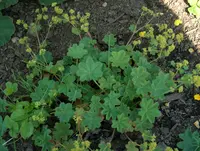
Vera cruz pepper, Piper auritum, is a fast-growing perennial herb or small shrub known for its large, aromatic leaves used in cooking and traditional medicine. It typically forms a bushy clump with soft green foliage and a spreading habit, making it suitable for warm outdoor gardens or large containers.

This plant is native to Central America and southern Mexico, where it thrives in warm, humid, partially shaded forests and stream edges. It prefers consistently moist, well-drained soil and protection from intense direct sun and cold, which are key points when learning how to care for Vera cruz pepper.

Main Plant Requirements

Care Difficulty

Moderate Care

Light Preference

Partial Shade

Water Requirements

Keep Soil Moist

Temperature Preference

Tropical / Frost Sensitive

Hardiness Zone

9–11

Soil Texture

Loamy, Silty, Organic-rich

Soil pH

Acidic (5.5–6.5), Slightly acidic (6.5–7.0)

Soil Drainage

Moist but well-drained

Fertilization

Light (every 4–6 weeks)

Get Personalized Care Plan

Scan your plant to receive care tips personalized for your specific plant

Available on iOS and Android

How to Care for the Vera cruz pepper

Piper auritum prefers bright, indirect light that mimics a bright forest edge or light shade garden.

  • Provide 3–5 hours of gentle morning sun with filtered or dappled light the rest of the day; avoid strong afternoon sun that can scorch leaves.
  • Plant Vera cruz pepper in partial shade outdoors, such as east-facing exposure or under open-canopy trees, to prevent leaf burn.
  • In hot summers, increase shade during midday; in cooler seasons, allow a bit more direct morning sun to maintain dense growth.

Piper auritum needs consistently moist but not waterlogged soil for stable growth.

  • Water when the top 2–3 cm of soil feels slightly dry, then soak thoroughly so water reaches the deeper root zone.
  • Use loose, well-draining soil with added organic matter so moisture holds evenly but excess water drains away within a few minutes.
  • In hot, dry weather, expect more frequent watering and watch for limp, curling leaves (too dry); yellowing, soft leaves often indicate overwatering.

This species prefers warm, frost-free conditions that resemble a humid subtropical climate.

  • Aim for 70–85°F (21–29°C) for active growth; slight short-term dips outside this range are usually tolerated if soil is not waterlogged.
  • Protect Piper auritum from temperatures below 40°F (4°C); foliage is damaged near this point and the plant can die with any frost.
  • In hot areas above 90°F (32°C), provide extra shade and soil moisture; mulch the root zone and avoid cold drafts in transitional seasons.

This species prefers moderately humid air and reacts if kept too dry for long periods.

  • Aim for 50–70% humidity, as consistently lower levels slow leaf growth and reduce aromatic oil production.
  • Tolerates short spells around 35–40% but prolonged dry air leads to curling leaf edges and browning tips.
  • Increase humidity with a nearby humidifier or grouped plants; avoid misting in cool rooms to limit fungal issues.

This species grows best in deep, moist, well‑aerated soil that stays evenly damp but not waterlogged.

  • Use a loose loam composed of roughly 50% organic matter (compost or leaf mold), 30–40% garden soil, and 10–20% perlite or coarse sand for structure.
  • Aim for slightly acidic to neutral pH, around 6.0–7.0, which supports nutrient uptake and root activity in Piper auritum.
  • Ensure rapid drainage so water drains from the pot or bed within a few seconds, preventing root suffocation and stem rot.
  • Avoid heavy, compacted clay or mixes dominated by fine peat; lighten them with coarse sand, bark fines, or perlite to improve aeration.

This species adapts well to container growing when provided with enough root volume and stable moisture.

  • Select a wide, at least 30–40 cm diameter container to accommodate its spreading root system and large foliage mass.
  • Choose a heavier material such as terracotta or ceramic to add stability against wind and the leverage of large leaves.
  • Elevate the pot on feet or bricks so drainage holes stay clear and runoff moves away quickly, keeping lower roots oxygenated.

Piper auritum benefits from light, consistent nutrition during its warm growing season.

  • Use a balanced liquid fertilizer (such as 10-10-10) at 1/2 strength every 4–6 weeks in spring and summer.
  • Alternatively, top-dress with a thin layer of compost once in spring for slow, gentle feeding.
  • Pause feeding in fall and winter when growth slows, especially for Vera cruz pepper grown indoors.
  • Water before applying liquid fertilizer to prevent root burn and ensure even nutrient uptake.

Pruning Piper auritum keeps plants compact, encourages fresh foliage, and maintains access paths around large clumps.

  • Carry out main pruning in late winter or early spring before strong new growth starts.
  • Remove dead, damaged, or crossing stems first, then thin crowded shoots from the base.
  • Shorten tall, leggy stems to control height and encourage bushier side growth.
  • Use clean, sharp hand pruners and make angled cuts just above a node to reduce disease entry.

This plant responds well to timely transplanting, which supports vigorous root and shoot growth.

  • Look for roots circling the pot, pushing through drainage holes, or stalled top growth as signs it needs a larger container.
  • Plan repotting or outdoor transplanting in spring once temperatures are consistently warm and frost risk has passed.
  • Move up only 1–2 pot sizes, using a loose, rich, well-drained mix to avoid waterlogging and root rot.
  • Water thoroughly after transplanting, keep in bright shade for a few days, and maintain even moisture to limit transplant shock.

Piper auritum is commonly propagated from stem cuttings and by division of established clumps.

  • Take semi-woody stem cuttings in late spring or early summer, 10–15 cm long with several nodes.
  • Remove lower leaves, dip the cut end in rooting hormone, and place in a moist, well-drained medium under high humidity.
  • Keep cuttings warm at 70–80°F in bright, indirect light until roots form.
  • Divide mature clumps in warm spring, replanting sections quickly and watering well to re-establish.

This tropical species is frost-tender and needs protection in areas with cold winters.

  • In regions below USDA zone 9, grow in containers and move indoors before temperatures drop near 40°F.
  • For in-ground plants in mild climates, apply a 5–10 cm mulch layer over the root zone in late fall.
  • Cover exposed stems during light frosts with breathable fabric to limit tissue damage.

Care Tips

Encourage Bushier Growth

Pinch out the soft tips of young stems several times during the growing season to encourage branching, which produces more usable leaves and keeps the plant shorter and easier to manage.


Provide Wind Protection

Site plants where tall shrubs, fences, or shade cloth break strong winds, since the large leaves tear easily and damaged foliage reduces both yield and ornamental quality.

Use Sturdy Supports

Install low, wide stakes or a simple mesh frame around the plant early in the season so the relatively brittle, tall stems stay upright and do not snap under the weight of large leaves or after heavy rain.

Harvest Leaves Strategically

Remove a few of the largest, older leaves from multiple stems rather than stripping one stem bare, which maintains enough foliage for photosynthesis and supports continuous regrowth for cooking use.

Prepare For Cool Spells

In marginal climates, keep a lightweight frost cloth or old bedsheet on hand to cover plants on nights forecast below 50°F, since brief chill protection often prevents setback and extends the productive season when growing Vera cruz pepper.

Common Pests and Diseases

Spider mites

This pest often appears in warm, dry indoor or patio conditions, sucking sap from the large leaves and causing stippling and a dull, dusty look. Symptoms include fine webbing on leaf undersides and along stems, with leaves losing gloss and turning patchy yellow or bronze.

Solution

Rinse foliage thoroughly with a firm stream of water, especially the undersides of leaves, and repeat every few days until no mites are seen. Increase humidity, improve air movement, and use insecticidal soap or horticultural oil labeled for mites if watering and washing alone do not control the outbreak.

Leaf-chewing caterpillars

These insects are drawn to the soft, aromatic foliage and can remove large sections of leaves in a short time, leaving irregular holes and ragged margins. Frass (small dark droppings) may be visible on or below the plant.

Solution

Handpick caterpillars in the early morning or evening and remove heavily damaged leaves to reduce hiding spots. For repeated problems, apply a biological control such as Bacillus thuringiensis (Bt) to the foliage, following label directions, and keep surrounding vegetation trimmed to reduce refuges for moths and butterflies that lay eggs.

Scale insects

This pest attaches to stems and leaf veins, appearing as small, rounded or oval bumps and excreting sticky honeydew that can lead to sooty mold. Leaves may yellow, curl, or drop when populations are high.

Solution

Wipe stems and leaves with a cloth or cotton swab dipped in diluted alcohol to dislodge individual scales, then rinse with water. For larger infestations, prune heavily infested shoots, improve light and airflow, and apply horticultural oil thoroughly to coat the insects, repeating according to product directions as new crawlers emerge.

Anthracnose leaf spot

This disease causes tan to brown spots on the broad leaves, often with darker edges and sometimes small shot holes where dead tissue falls out. In humid weather, lesions may enlarge and merge, giving leaves a scorched or patchy appearance.

Solution

Remove and dispose of affected leaves, and avoid overhead watering so foliage dries quickly. Improve spacing and airflow, keep the plant on a consistent nutrient and watering schedule to reduce stress, and, in severe or recurring cases, use a copper-based fungicide labeled for anthracnose, applied according to label directions.

Cercospora leaf spot

Symptoms include numerous small, round to irregular purple or dark-brown spots that may develop pale centers on older leaves, particularly in warm, moist conditions. Heavily affected foliage may yellow and drop prematurely, thinning the plant canopy.

Solution

Collect and discard fallen leaves, then prune to open the plant for better air circulation and faster drying after rain or irrigation. Water at the soil level, avoid splashing the foliage, and apply a suitable foliar fungicide if spotting continues to spread, especially in regions with long humid periods where growing Vera cruz pepper outdoors is common.

Interesting Facts

Anise-like leaf aroma

The large heart-shaped leaves contain high levels of the compound safrole, which gives them a strong anise or root beer–like scent and flavor used in regional Mexican cooking, especially in Veracruz and Oaxaca.

Understory rainforest shrub

This species naturally grows as an understory plant in humid tropical forests from Mexico to northern South America, preferring shaded ravines and stream edges where soils stay consistently moist but not waterlogged.

Food-wrapping tradition

In traditional cuisine, the flexible, aromatic leaves are used to wrap fish, meat, and tamales before cooking, imparting flavor while also helping retain moisture in the food.

Botan icon

Did you know?

Piper auritum has been documented as an important host and shelter plant for various insect communities in tropical agroforestry systems, where its broad canopy and persistent leaf litter help create cooler, more humid microhabitats that support overall biodiversity.

FAQs about Vera cruz pepper

Yes, the leaves are edible and used fresh in Central American and Mexican cooking for their anise-like aroma. They are typically added to tamales, stews, or wrapped around foods, but are not usually eaten in large quantities alone.

Grow Healthy Plants with Botan Care

Keep your plants happy and healthy with plant identification, disease detection, and easy care guidance.

Botan plant care app — identify plants on mobile

Explore More Plants