Alchemilla caucasica Care

Alchemilla caucasica

About Alchemilla caucasica

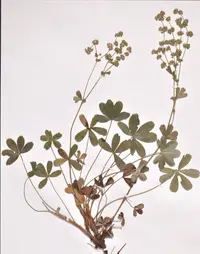
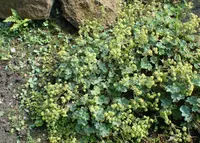
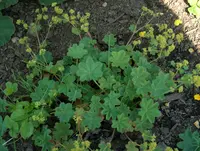
Alchemilla caucasica is a compact, herbaceous perennial known for its softly lobed, fan-shaped leaves that catch and hold water droplets after rain or dew. It forms low, mounded clumps and produces airy clusters of small greenish-yellow flowers above the foliage in the growing season.

This species is native to the Caucasus region, where it typically grows in cool, moist mountain meadows and open woodland edges. Its tolerance of cool temperatures, moderate shade, and regular moisture makes it relatively straightforward to grow in temperate gardens.

Gardeners who want to learn how to care for Alchemilla caucasica should note that it prefers humus-rich, well-drained soil that stays evenly moist but not waterlogged.

Main Plant Requirements

Care Difficulty

Easy Care

Light Preference

Partial Shade

Water Requirements

Moderate Water

Temperature Preference

Cold Hardy

Hardiness Zone

4–8

Soil Texture

Loamy, Silty, Organic-rich

Soil pH

Acidic (5.5–6.5), Slightly acidic (6.5–7.0)

Soil Drainage

Moist but well-drained

Fertilization

Minimal (feed rarely)

Get Personalized Care Plan

Scan your plant to receive care tips personalized for your specific plant

Available on iOS and Android

How to Care for the Alchemilla caucasica

This perennial prefers cool, mild light conditions that mimic its native mountain habitats.

  • Provide 3–5 hours of morning sun with light or dappled shade for the rest of the day to reduce leaf scorch.
  • Site Alchemilla caucasica in partial shade, especially in hot-summer climates, avoiding strong afternoon sun that can yellow or crisp the foliage.
  • In summer, give more shade during heatwaves; in cooler seasons, allow a bit more direct light to maintain compact, dense growth.

This species prefers consistently moist but not saturated soil, especially in active growth.

  • Water when the top 2–3 cm of soil feel dry, aiming for evenly moist ground rather than wet patches or standing water.
  • In spring and early summer, increase watering during active growth and flowering; reduce frequency in late autumn and winter as the plant slows.
  • Watch for wilting, dull, folding leaves as a sign of drought stress, and yellowing, soft, or blackened leaf bases as indicators of overwatering or poor drainage.

This hardy perennial tolerates a wide temperature range but grows best in cool to mild conditions.

  • Optimal growth occurs around 55–70°F (13–21°C), with steady moisture and some shade during warmer periods.
  • Established plants usually survive down to about 0°F (-18°C) with mulch protection, though top growth may die back and re-sprout in spring.
  • Heat tolerance is moderate; in spells above 85°F (29°C), provide extra shade and soil moisture to prevent stress, leaf scorch, and reduced flowering.

This species handles a wide humidity range and usually does not need special humidity control outdoors.

Alchemilla caucasica prefers loose, moist but well-drained, humus-rich soil.

  • Use a loamy mix with 40–60% garden soil, 20–30% compost, and 10–20% coarse sand for structure and nutrients.
  • Aim for slightly acidic to neutral pH around 6.0–7.0 to support balanced nutrient uptake and healthy foliage.
  • In heavier soils, incorporate coarse sand or fine gravel to improve drainage and air spaces around the roots.
  • Avoid waterlogged, compacted, or very dry, stony soils, which increase stress and reduce plant vigor.

This species grows reasonably well in containers when moisture and drainage are carefully managed.

  • Choose a wide, moderately deep pot to accommodate its spreading root system and allow the clump to expand outward.
  • Select a heavier material such as clay or ceramic to keep the container stable as foliage spreads and catches wind.
  • Fill the pot with a moisture-retentive but free-draining mix, then elevate the container slightly so drainage holes never sit in standing water.

This species grows well in average garden soil and needs only light feeding in most conditions.

  • Apply a thin layer of garden compost or well-rotted manure around clumps in early spring to support fresh growth.
  • In poorer soils, use a balanced slow-release fertilizer (around 10-10-10) at label rate once in spring.
  • Avoid high-nitrogen lawn fertilizers, which can cause soft, floppy foliage and reduce flowering.
  • Do not feed Alchemilla caucasica in late fall or winter, when growth is naturally slow or dormant.

Thoughtful pruning keeps Alchemilla caucasica compact, tidy, and flowering well.

  • Cut back spent flower stems in late spring or early summer to reduce self-seeding and encourage fresh foliage.
  • Shear the whole clump lightly after flowering if leaves look tired, allowing clean new growth to emerge.
  • Remove dead, damaged, or diseased leaves at any time using clean, sharp scissors or hand pruners.
  • Thin out crowded sections in dense plantings to improve airflow and reduce fungal problems.

This plant is usually grown in the ground, with transplanting or division done only when clumps become crowded.

  • Plan to lift and divide every 3–4 years in early spring or early fall, when temperatures are mild.
  • Choose plants with congested crowns, bare centers, or slow vigor as signs they benefit from transplanting.
  • Dig around the clump with a fork, lift carefully, and split into sections with several buds and healthy roots each.
  • Replant divisions at original depth in moist, well-drained soil, then water thoroughly and shade lightly for a few days.

Division is the most reliable method for increasing Alchemilla caucasica in gardens.

  • Divide mature clumps in early spring or early fall, when soil is workable and temperatures moderate.
  • Lift the plant, then separate the crown into small sections, each with roots and several shoots.
  • Replant divisions immediately into moist, well-drained soil, spacing to allow air movement between plants.
  • Seeds can be sown in fall outdoors; light exposure and cool stratification improve germination.

This hardy perennial generally needs minimal winter care in temperate climates.

  • Tolerates typical frost in USDA zones where it is grown, with foliage dying back naturally in colder areas.
  • Allow dead leaves to remain until late winter to provide light insulation for the crown.
  • In very cold or exposed sites, apply a 3–5 cm mulch of leaves or compost around the root zone.
  • Container plants in cold regions benefit from moving to a sheltered, unheated but frost-sheltered spot.

Care Tips

Mulch For Cool Roots

Apply a 3–5 cm layer of fine composted bark or leaf mould around the crowns in spring to keep roots cool, suppress weeds, and reduce soil splash on the foliage.

Edge Containment

Install a shallow root barrier or cut a spade line 5–8 cm deep around clumps each spring to stop plants creeping into paths or neighboring perennials while still allowing good spread.

Self-Seed Management

Shear off spent flower stems just as the seed heads begin to dry if you want to limit self-sowing, or leave a few marked clumps uncut to encourage naturalistic drifts when growing Alchemilla caucasica.

Crown Division Renewal

Divide congested clumps every 3–4 years in early spring or early fall, replanting only the vigorous outer sections at the same depth to maintain dense, floriferous growth.

Foliage Rinse Routine

Rinse the foliage with a gentle hose spray in the morning during dry periods to remove dust and discourage aphids, avoiding prolonged leaf wetness late in the day to reduce foliar disease risk.

Common Pests and Diseases

Powdery mildew

This disease causes a white, powdery coating on leaves, often starting on older foliage in dense clumps. Symptoms include distorted growth and a reduced ornamental look, especially in warm, dry conditions with poor air movement.

Solution

Thin or divide crowded clumps to improve airflow and avoid overhead watering, especially in the evening. Remove and discard heavily affected leaves, water at soil level, and if needed use a sulfur or potassium bicarbonate fungicide labeled for ornamentals, applied according to label directions.

Rust

This disease produces small orange to brown pustules on the undersides of leaves, sometimes with yellowing on the upper surface. Symptoms include premature leaf drop and a general decline in plant vigor in humid, crowded plantings.

Solution

Cut off and destroy affected leaves promptly and clear plant debris from around the base of the plant. Improve spacing for better airflow, water early in the day so foliage dries quickly, and in recurrent cases use a labeled ornamental rust fungicide as a preventative when new growth appears.

Aphids

These insects cluster on young stems and undersides of leaves, sucking sap and causing curling, distortion, and sticky honeydew that can attract sooty mold. This pest tends to build up quickly on soft new growth in sheltered sites.

Solution

Spray plants with a firm jet of water to dislodge colonies, focusing on shoot tips and leaf undersides. For persistent infestations, apply insecticidal soap or a horticultural oil, ensuring thorough coverage, and encourage natural predators such as lady beetles by avoiding broad-spectrum insecticides.

Leaf spots

This disease complex causes irregular brown or tan spots on leaves, sometimes with darker borders and a tendency for affected leaves to yellow and drop early. Symptoms include patchy thinning of the foliage, especially in prolonged wet weather.

Solution

Remove and discard spotted leaves as they appear and keep the plant base free of dead foliage to limit fungal spread. Water at the soil level rather than overhead and, in severe or repeated outbreaks, use a broad-spectrum ornamental fungicide applied at the first sign of spotting, following label guidance.

Slug and snail damage

This pest group feeds on tender leaves, leaving irregular holes and ragged edges, often with shiny slime trails visible on or around the plant. Damage is most noticeable in moist, shaded plantings and on young or newly planted specimens.

Solution

Hand-pick slugs and snails in the evening or early morning and reduce hiding places such as dense mulch and debris around the crown. Use iron phosphate slug baits placed around but not touching the plants, and consider simple barriers like copper tape or grit to reduce feeding pressure when growing Alchemilla caucasica in damp borders.

Interesting Facts

Caucasus alpine native

This species is native to subalpine and alpine zones of the Caucasus, where it grows in cool, moist meadows and rocky slopes, tolerating significant temperature variation and periodic snow cover.

Finely hairy foliage

Its small, reniform to rounded leaves are covered with fine hairs that help trap moisture on the leaf surface, a trait that supports survival in exposed mountain habitats.

Moisture-collecting leaves

Leaf surfaces and margins are shaped so that dew and light rain form visible droplets that gather toward the center of the leaf, a characteristic shared with a few other lady’s mantle species but particularly noted in this high-mountain taxon.

FAQs about Alchemilla caucasica

This species forms low, slowly spreading clumps by short rhizomes and self-seeding. It is generally manageable, not strongly invasive. Remove unwanted seedlings and divide clumps every few years if space needs to be controlled.

Grow Healthy Plants with Botan Care

Keep your plants happy and healthy with plant identification, disease detection, and easy care guidance.

Botan plant care app — identify plants on mobile

Explore More Plants