


Mulch For Crown
Apply a thin, airy mulch layer around but not touching the crown to keep roots cool and reduce weed pressure, refreshing it each spring as the clump expands.

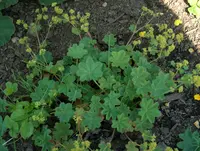
Silky lady's-mantle (Alchemilla glaucescens) is a compact, clump-forming perennial grown mainly for its softly textured, scalloped leaves. The foliage often holds dewdrops along the leaf edges, giving the plant a silvery, ornamental look.
It produces airy sprays of small, yellow-green flowers that sit just above the leaves, creating a fine, misty effect. The plant usually spreads slowly and forms low mounds that suit borders, rock gardens, and path edges.
Alchemilla glaucescens originates from cooler, often mountainous regions of Europe, where it grows in meadows and open slopes. Its tolerance of moderate cold, variable soils, and occasional dryness makes it relatively easy to care for Silky Lady's-mantle in temperate gardens.

Care Difficulty
Easy Care

Light Preference
Partial Shade

Water Requirements
Moderate Water

Temperature Preference
Cold Hardy

Hardiness Zone
4–8

Soil Texture
Loamy, Silty, Organic-rich

Soil pH
Acidic (5.5–6.5), Slightly acidic (6.5–7.0)

Soil Drainage
Moist but well-drained

Fertilization
Minimal (feed rarely)
Scan your plant to receive care tips personalized for your specific plant
Available on iOS and Android
This perennial prefers cool, bright conditions with some protection from intense sun.
Alchemilla glaucescens prefers consistently moist but not waterlogged soil.
This hardy perennial tolerates cool conditions and moderate summer warmth.
This species tolerates a wide humidity range and usually does not need special air moisture control.
Alchemilla glaucescens prefers cool, moist, well-structured soil that drains freely but does not dry out quickly.
This species grows reliably in containers when moisture and drainage are balanced carefully.
This plant grows well in average soil and usually needs only light feeding, especially when caring for Silky Lady's-mantle in borders or cottage-style gardens.
Pruning Alchemilla glaucescens is straightforward and mainly supports a tidy mound of foliage and repeat flowering.
This species is more often transplanted in garden beds than kept long term in containers.
Alchemilla glaucescens is commonly multiplied by division, with seed also an option for patient growers.
This plant is generally cold hardy and needs minimal winter attention in most temperate gardens.

Plant Health Check
Not sure what's wrong with your plant? Check your plant's health inside the app.
This species has a characteristic glaucous, or bluish-grey, coating on its leaves caused by a thin waxy layer that reduces water loss and gives it a subdued, silvery look compared with the brighter green foliage of many other lady's-mantle species.
Alchemilla glaucescens naturally occurs in high-elevation grasslands and open rocky slopes in parts of Central and Eastern Europe, where it is adapted to strong light, wind exposure, and relatively poor, well-drained soils.
Its leaves are more finely lobed and delicately scalloped than many related species, which creates a softer, more intricate foliage texture valued in rock gardens and alpine plantings.
This species spreads slowly by short rhizomes and self-seeding but is not usually aggressive. In good conditions it can form low, dense clumps. Deadhead spent flowers and remove unwanted seedlings to keep it within bounds.
Keep your plants happy and healthy with plant identification, disease detection, and easy care guidance.

Alchemilla saxatilis
Alchemilla saxatilis
 POPULAR
Butterfly weed
Asclepias tuberosa
Calceolaria crenatiflora
Calceolaria crenatiflora
coastal bird's-foot trefoil
Acmispon maritimus
Rosemary
Salvia rosmarinus
Achimenes longiflora
Achimenes longiflora
hairy lady's mantle
Alchemilla monticola
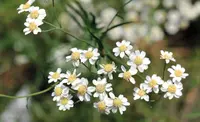
Sneezewort
Achillea ptarmica