Fan-lipped Orchid Care (Anacamptis collina)

Fan-lipped Orchid

About Fan-lipped Orchid

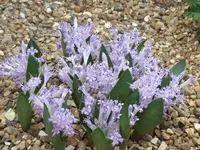
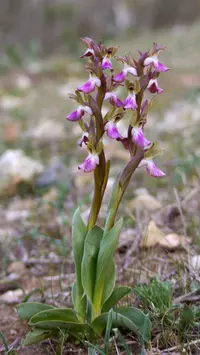
The fan-lipped orchid, Anacamptis collina, is a small terrestrial orchid that grows from an underground tuber. It produces a short rosette of narrow leaves and an upright flowering spike. The flowers are typically soft pink to purple with a distinctive fan-shaped lower lip, giving the species its common name.

This orchid is native to Mediterranean regions, where it grows in open grasslands, light scrub, and rocky slopes with well-drained, often calcareous soils. It is considered moderately challenging in cultivation because it is sensitive to overwatering, summer heat, and poorly drained substrates. To care for Fan-lipped Orchid successfully, growers usually mimic a cool, bright, and relatively dry winter‑spring growing season followed by a dry summer dormancy.

Main Plant Requirements

Care Difficulty

Hard Care

Light Preference

Partial Sun

Water Requirements

Moderate Water

Temperature Preference

Warm Climate

Hardiness Zone

8–10

Soil Texture

Sandy, Loamy, Rocky

Soil pH

Slightly acidic (6.5–7.0), Neutral (7.0)

Soil Drainage

Well-drained

Fertilization

Minimal (feed rarely)

Get Personalized Care Plan

Scan your plant to receive care tips personalized for your specific plant

Available on iOS and Android

How to Care for the Fan-lipped Orchid

This Mediterranean terrestrial orchid prefers bright, open conditions with some protection from intense midday sun.

  • Provide 4–6 hours of direct morning sun, then bright, filtered light or light shade in early afternoon to mimic its native open scrub habitats.
  • Tolerates partial shade, but flowering of Fan-lipped Orchid declines if it receives less than about 3–4 hours of direct or very bright light in spring.
  • In hot climates, avoid strong sun from 12–4 pm to reduce leaf scorch; in winter, allow maximum sun as the plant is often leafed out while deciduous shrubs are bare.

This species needs a distinct wet-dry rhythm that follows its Mediterranean seasonal cycle.

  • During active growth in autumn–spring, water when the top 2–4 cm of soil feel dry, allowing moisture to reach the root zone but never leaving the site waterlogged.
  • Use sharply drained, gritty soil so excess water runs off quickly; persistent puddling, yellowing leaves, and soft tubers indicate overwatering and risk of rot.
  • In summer dormancy, reduce watering drastically, keeping the soil almost dry with only occasional light moisture if the substrate becomes completely bone dry and cracked.

This orchid is adapted to mild, wet winters and warm, dry summers with a marked seasonal temperature contrast.

  • Active growth is best at 50–68°F (10–20°C), with cool nights that help root and leaf development in autumn and early spring.
  • Established plants tolerate short drops to about 23°F (-5°C) if soil drains well, but repeated hard frosts or frozen, saturated ground can damage tubers.
  • In late spring–summer, plants withstand 80–90°F (27–32°C) while dormant, provided conditions are dry; combine shade with good air movement during hotter periods to prevent soil overheating.

This terrestrial orchid manages best in relatively dry air with only moderate humidity needs.

  • Aim for 30–50% humidity, similar to a dry, airy room rather than a damp greenhouse.
  • Leaves or pseudobulbs that wrinkle or yellow from the tips can signal combined drought and low humidity stress.
  • Increase humidity slightly by grouping pots or placing a shallow water tray nearby, but avoid misting that wets foliage regularly.

This species needs a sharply drained, mineral-rich mix that mimics light, stony ground.

  • Use a gritty mix such as 40% coarse sand, 30% fine gravel, and 30% low-organic loam to keep roots well aerated.
  • Ensure water drains out within seconds; standing water or compacted, peaty substrates quickly cause root rot in Anacamptis collina.
  • Aim for slightly alkaline to neutral pH around 7.0–8.0, which suits its native calcareous, or lime-rich, habitats.
  • Improve drainage by raising beds or pots and avoiding dense composts, heavy clay, or thick bark-based orchid mixes.

This orchid can be grown in containers if drainage is extremely free and the substrate remains airy.

  • Choose a tall, narrow pot that allows a deep gritty layer so tubers sit just below the surface yet well above any water collection zone.
  • Select unglazed clay to let moisture evaporate through the pot walls, preventing the fine roots from staying wet for long periods.
  • Elevate the container on feet or a mesh stand so drainage holes remain clear and excess water escapes immediately after irrigation.

This terrestrial orchid is adapted to low-nutrient soils, so Fan-lipped Orchid needs only very light feeding in cultivation.

  • Use a low-strength balanced NPK orchid fertilizer at 1/4–1/2 label dose during active growth in spring.
  • Apply every 4–6 weeks while leaves are present; avoid feeding dry or water-stressed plants.
  • Stop fertilizing once foliage begins to yellow and the plant enters dormancy.
  • Do not use heavy compost or rich slow-release pellets, which can burn roots and reduce flowering.

Pruning needs for Anacamptis collina are minimal and focus on hygiene rather than shaping.

  • Best timing is after flowering when seed pods mature and foliage starts to decline naturally.
  • Remove spent flower spikes at the base with clean, sharp scissors to limit energy loss to seed production.
  • Gently pull or trim only fully yellowed or dead leaves, leaving green tissue to feed the tubers.
  • Avoid cutting into healthy green shoots, as this reduces future flowering potential.

This species is usually grown in situ or in pots that are disturbed infrequently to protect its delicate tubers.

  • Plan any transplanting or repotting of Anacamptis collina in late summer to early fall, during dormancy.
  • Look for crowded or circling roots, exhausted substrate, or declining vigor as signs a move is needed.
  • Repot only every 2–3 years, keeping tubers at a similar depth in a sharply draining, gritty mix.
  • Handle tubers gently, minimize root disturbance, and water lightly after moving to reduce transplant shock.

Propagation of this orchid is specialized and mainly carried out by seed under controlled, symbiotic conditions.

  • Seed propagation requires sterile technique and specific mycorrhizal fungi, so it is usually left to experts and conservation programs.
  • Division of naturally formed daughter tubers is possible only on established clumps during full dormancy.
  • Replant separated tubers into a similar free-draining mix at the original depth and water sparingly.
  • Maintain cool, bright conditions and avoid disturbance while new roots and shoots establish.

This Mediterranean orchid is moderately frost tolerant when dormant but benefits from some winter protection in colder climates.

  • In the ground, a light 2–3 cm mulch of grit or fine bark helps insulate tubers without trapping excess moisture.
  • Avoid heavy, wet mulches that keep the crown saturated in freezing conditions.
  • Container plants in regions colder than about 20°F are best overwintered in a cold, bright, frost-free space.

Care Tips

Mark Dormant Sites

Use small, breathable markers or mesh collars to indicate tuber locations after leaves die back, so you avoid disturbing or damaging them during summer weeding or soil work.

Provide Gritty Mulch

Top-dress the growing area with a thin layer (0.5–1 cm) of fine gravel or grit around but not on the tuber collar to improve surface drainage and reduce rot in wet spells.

Rotate Pots Seasonally

In container culture, rotate pots by 90° every 2–3 weeks during active growth so flower spikes grow upright and do not lean strongly toward the primary light source.

Controlled Summer Drying

Once foliage has fully yellowed, move containers to a sheltered, dry spot and keep them only barely dry, preventing heavy rain from soaking dormant tubers and reducing the risk of fungal infection when growing Fan-lipped Orchid.

Use Fine Mesh Guards

In outdoor beds, place fine plastic or wire mesh over the planting zone, just beneath the soil surface, to protect tubers from rodents while still allowing new shoots and roots to pass through.

Common Pests and Diseases

Aphids

These insects cluster on young shoots and inflorescences, sucking sap and causing distortion, sticky honeydew, and sooty mold on leaves and flower spikes.

Solution

Remove heavily infested flower spikes and gently wash plants with a strong but controlled stream of water; if needed, apply a light horticultural soap or oil spray in the evening, avoiding open flowers and ensuring good air movement around the plants.

Red spider mites

This pest thrives on Anacamptis collina in hot, dry, sheltered positions, causing fine webbing, pale stippling, and a dull, greyed appearance of leaves.

Solution

Increase ambient humidity around the plants, hose foliage from below to dislodge mites, and use a targeted acaricidal soap or oil on the undersides of leaves, repeating treatments while monitoring new growth closely.

Slugs and snails

These pests feed on emerging shoots, tubers close to the soil surface, and flower spikes, leaving irregular holes, slime trails, and sometimes destroying new growth entirely.

Solution

Use physical barriers such as grit or copper tape around small colonies, remove hiding places like dense debris, and hand-pick at dusk; in garden settings, place targeted, pet-safe slug pellets away from the immediate crown of the orchids.

Fungal leaf spot

This disease appears in cool, moist periods as small water-soaked lesions on leaves that enlarge to brown or black spots, sometimes with yellow halos and premature leaf drop.

Solution

Remove and discard affected leaves, avoid wetting foliage when watering, improve air circulation, and, if the problem persists, use a suitable fungicide labeled for terrestrial orchids applied during the plant’s active growth phase.

Viral mosaic

Symptoms include irregular light and dark streaks or mosaic patterns on leaves, deformed flowers, and reduced vigor, often more visible in stressed plants over several seasons.

Solution

There is no cure; promptly remove and destroy suspect plants to prevent spread, disinfect cutting tools between plants, and only propagate or trade from healthy, symptom-free stock to maintain good Anacamptis collina care hygiene.

Interesting Facts

Early spring bloomer

This species often flowers very early in the season, sometimes when surrounding vegetation is still sparse, which helps its pale pink to purple flowers stand out to early pollinators.

Mediterranean specialist

It is native to dry, rocky, Mediterranean-type habitats, where it copes with poor, shallow soils and summer drought by surviving underground as a tuber during the hottest months.

Variable flower markings

The lip of the flower commonly shows variable darker lines and spots that act as nectar guides, helping pollinating insects locate the reproductive structures even though the flowers offer little or no nectar reward.

Botan icon

Did you know?

In parts of its range this species can form loose, scattered colonies across limestone or chalky slopes, acting as a visible indicator of relatively undisturbed, low-intensity grassland that has not been heavily fertilized or plowed.

FAQs about Fan-lipped Orchid

Lack of flowering often comes from insufficient winter chill, too much shade, or overly rich, moist soil. This Mediterranean terrestrial orchid needs a cool, drier rest and high light to form flower spikes instead of only leaves.

Grow Healthy Plants with Botan Care

Keep your plants happy and healthy with plant identification, disease detection, and easy care guidance.

Botan plant care app — identify plants on mobile

Explore More Plants