Fringed Ground Orchid Care (Altensteinia fimbriata)

Fringed Ground Orchid

About Fringed Ground Orchid

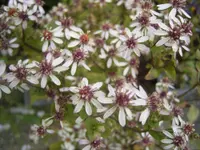
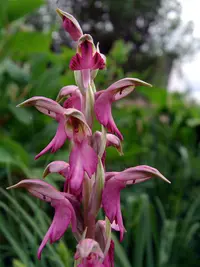
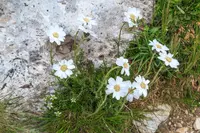
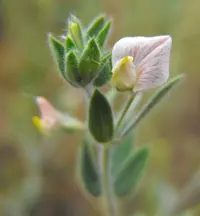
Fringed ground orchid, Altensteinia fimbriata, is a terrestrial orchid native to cool, high-altitude regions of the Andes in South America. It grows in moist grasslands and open slopes, often among low vegetation. The plant forms clumps of narrow leaves at the base and sends up slender flowering stems with delicate, fringed blooms in shades of white, pink, or greenish tones. Its cool-growing nature and need for consistent moisture and sharp drainage make it more challenging than common tropical orchids. Good air movement, mild temperatures, and evenly moist, humus-rich soil are key if you want to learn how to care for Fringed Ground Orchid.

Main Plant Requirements

Care Difficulty

Hard Care

Light Preference

Partial Shade

Water Requirements

Keep Soil Moist

Temperature Preference

Cool Climate

Hardiness Zone

Unknown

Soil Texture

Loamy, Silty, Organic-rich

Soil pH

Acidic (5.5–6.5)

Soil Drainage

Moist but well-drained

Fertilization

Minimal (feed rarely)

Get Personalized Care Plan

Scan your plant to receive care tips personalized for your specific plant

Available on iOS and Android

How to Care for the Fringed Ground Orchid

This terrestrial orchid prefers cool, bright conditions with protection from intense sun.

  • Provide 3–5 hours of gentle morning sun with bright, filtered light the rest of the day, mimicking a light woodland edge habitat for Fringed Ground Orchid.
  • Allow light dappled shade at midday and afternoon; avoid harsh, direct sun that can scorch leaves and bleach flower spikes.
  • In summer, prioritize shade during the hottest hours; in cooler seasons, give slightly more direct morning light to support steady growth.

This species needs consistently moist but airy soil that never stays waterlogged.

  • Water when the top 2–3 cm of soil or surface layer feels slightly dry, aiming for evenly moist conditions around the root zone.
  • Use free-draining, humus-rich soil so excess water runs off quickly, reducing risk of root rot and sour, anaerobic conditions.
  • During active growth, increase watering frequency; in cooler or dormant periods, reduce volume, watching for limp, wrinkling leaves as a sign of underwatering.

This orchid grows best in cool to mild conditions with good seasonal variation.

  • Aim for 55–70°F (13–21°C) during active growth, with slightly cooler nights to support strong root and shoot development.
  • Protect from hard frost; short dips to 30–32°F (-1–0°C) may be tolerated if soil drains well, but prolonged freezing can damage buds and roots.
  • Avoid extended heat above 80°F (27°C); provide extra shade and airflow in hot spells, as sustained high temperatures stress the plant and reduce flowering.

This species prefers consistently moist, cool, moderate-humidity conditions close to its native montane habitat.

  • Aim for 50–70% humidity; brief drops to 40% are tolerated if soil moisture is stable.
  • Crisping leaf tips, wrinkled buds, and stalled new growth indicate humidity stress or excessive evaporation.
  • Increase humidity with a nearby tray of damp gravel or grouped plants rather than misting directly on flowers.

Altensteinia fimbriata grows best in a cool, airy, humus-rich medium that stays moist yet drains rapidly.

  • Use a loose mix of fine orchid bark, perlite, and fibrous peat or coco coir to mimic leaf-litter forest soil.
  • Aim for slightly acidic to neutral pH around 5.8–6.8 to support nutrient uptake and root health.
  • Ensure fast drainage by using a coarse lower layer and avoiding compaction from heavy potting mixes or garden soil.
  • Avoid waterlogged, sticky, or clay-dominant substrates, which restrict aeration and promote root rot in this terrestrial orchid.

This terrestrial orchid can be grown in containers when cool, moist, and very free-draining root conditions are maintained.

  • Choose a deep, narrow pot so roots can extend downward while the upper medium stays airy and evenly moist.
  • Use a tall, heavier container or add weight at the base to prevent tipping if stems elongate or carry multiple spikes.
  • Select a pot material that matches your climate: porous clay for wet, cool sites or thicker plastic where drying is rapid.

This terrestrial orchid benefits from light, targeted feeding rather than heavy fertilization.

  • Use a balanced NPK orchid fertilizer at 1/4–1/2 strength every 3–4 weeks during the active growing season.
  • Apply liquid feed to moist soil, avoiding direct contact with leaves and pseudobulbs to prevent burn.
  • Pause or reduce feeding to once every 6–8 weeks at very weak dilution during dormancy or winter.
  • In nutrient-poor soils, a thin topdressing of fine, well-rotted compost in spring can support Fringed Ground Orchid without overfeeding.

Pruning needs for Altensteinia fimbriata are minimal and focus on cleanliness rather than shaping.

  • In late autumn or after flowering, remove spent flower spikes at the base with clean, sharp scissors or pruners.
  • Trim away dead, yellowed, or diseased leaves promptly to improve air movement and reduce fungal issues.
  • Avoid cutting healthy green foliage, as it is needed for energy storage in the underground structures.
  • Disinfect tools before and after use with alcohol to limit the spread of pathogens.

This species is usually grown in the ground, so transplanting is more common than container repotting.

  • Transplant in early spring before strong new growth, choosing a cool, moist, well-drained site with partial shade.
  • Look for signs such as crowded clumps, reduced flowering, or slow growth before deciding to lift and divide plants.
  • Lift carefully with a fork, keeping root systems and soil around tubers as intact as possible to limit shock.
  • Replant divisions at the same depth, water gently, and shade for 1–2 weeks to reduce transplant stress.

Propagation of Altensteinia fimbriata is possible but usually done on a small scale by skilled growers.

  • Division of mature clumps in early spring is the most practical method; each division should carry healthy roots and at least one growth point.
  • Replant divisions into a cool, humus-rich, well-drained medium and maintain even moisture, not waterlogging.
  • Seed propagation requires very specific fungal partners or sterile laboratory techniques, so it is rarely used by home growers.

This cool-growing terrestrial orchid is moderately cold tolerant but benefits from some winter preparation in colder regions.

  • In climates with freezing winters, add a 5–8 cm layer of loose mulch, such as shredded leaves, over the root zone after the ground cools.
  • Avoid waterlogged soil in winter, as cold, saturated conditions increase rot risk around the underground parts.
  • Container-grown plants in very cold areas can be moved to a cold, frost-free space with bright, indirect light.

Care Tips

Cool-root management

Use a thick mulch layer of fine pine bark or leaf mold over the root zone to keep the substrate evenly cool and protect shallow roots from summer heat and winter temperature swings.

Precise dormancy handling

Mark plant locations with discreet labels and stop disturbing the soil once foliage dies back, as the resting tubers are shallow and easily damaged during the dormant season.

Targeted slug control

Set up low, continuous barriers (copper tape around beds or shallow gravel strips) and place slug traps before new shoots emerge, since young growth is highly palatable and losses at this stage will reduce flowering.

Gentle division timing

Divide clumps only when flowering has declined, lifting and separating tubers in late dormancy and replanting them immediately at the same depth to avoid stress and setback in growth.

Companion shade planning

Grow this species among light-rooted, deciduous companions that leaf out late, which provides protective summer shade and winter sun without strong root competition, making caring for Fringed Ground Orchid more stable over several seasons.

Common Pests and Diseases

Aphids

This pest often feeds on tender flower spikes and new foliage, sucking sap and causing distortion and sticky honeydew on the plant. Symptoms include curled growth and sooty mold developing on the honeydew in humid, sheltered sites.

Solution

Prune off heavily infested spikes, then wash remaining foliage and stems with a strong but controlled stream of water. If needed, apply an insecticidal soap or a neem oil spray to all aboveground parts, repeating at 5–7 day intervals until no new aphids are seen, and avoid high nitrogen fertilization that encourages very soft, aphid‑prone growth when growing Altensteinia fimbriata.

Slugs and snails

These insects and mollusks feed at night on leaves and flower stems, leaving irregular holes and shredded edges, especially in cool, moist, shaded beds where this terrestrial orchid is usually grown. Symptoms include slime trails on soil and foliage and sudden loss of young shoots.

Solution

Hand‑pick slugs and snails in the evening, use wildlife‑safe iron phosphate bait, and remove hiding places such as thick mulch directly around the crowns. Maintain slightly drier surface conditions and use physical barriers (copper tape or rough grit) around prized clumps to reduce future damage.

Rhizoctonia leaf and sheath spot

This disease is caused by soilborne fungi favored by cool, wet conditions, leading to water‑soaked lesions on leaves and spotting or rotting at the leaf bases. Symptoms include brown, sunken spots that may merge, causing collapse of affected foliage and reduced vigor of the clump.

Solution

Remove and discard all affected leaves and any rotting sheaths, then improve air circulation and avoid overhead watering so foliage dries quickly. In collections with recurring problems, grow plants in well‑drained, coarse, organic‑rich substrate, sterilize tools between plants, and consider a labeled fungicide drench targeted at Rhizoctonia on terrestrial orchids if cultural changes are not sufficient.

Botrytis flower blight

This disease develops in cool, damp conditions and attacks the inflorescences, causing small water‑soaked spots on buds and petals that rapidly turn brown and may become covered with gray mold. Symptoms include premature bud drop and unattractive, blighted flowers during extended wet weather or in poorly ventilated shade houses.

Solution

Remove and dispose of all affected flowers and flower stalks, keep spent blooms off the soil surface, and increase ventilation around the plants. Water at the soil level in the morning, reduce crowding, and in persistent cases use a preventative fungicide labeled for Botrytis on ornamentals at the first sign of spotting during cool, humid periods.

Fusarium wilt and crown decline

This disease is associated with Fusarium fungi that invade through wounds or stressed roots, leading to gradual yellowing, stunting, and dieback from the crown, often in repeatedly cultivated or poorly rotated garden beds. Symptoms include discolored vascular tissue at the base of shoots and reduced regrowth from the underground organs over seasons.

Solution

Discard severely affected plants, along with surrounding soil if grown in a small bed or container, and avoid replanting orchids in that exact spot for several years. For remaining healthy plants, improve drainage, avoid mechanical injury to crowns and roots, sterilize tools between plants, and source propagation material from healthy, inspected stock to reduce future infection risk.

Interesting Facts

High Andean specialist

This species is native to high-elevation grasslands and open slopes of the northern and central Andes, often growing above 2,500 m where nights are cold and the atmosphere is thin.

Fringed floral lip

Its flowers have a distinctive deeply fringed labellum (lip), which increases the surface complexity of the blossom and is thought to help guide specific pollinators to the reproductive structures.

Terrestrial tuberous habit

Unlike many tropical epiphytic orchids, this is a terrestrial species that grows from underground tubers, an adaptation that helps it survive seasonal cold and periods of reduced moisture in Andean soils.

Botan icon

Did you know?

This orchid often grows in association with Andean puna vegetation, forming part of a specialized high-mountain flora that includes cushion plants, bunchgrasses, and other cold-adapted species, reflecting its long evolutionary history in these harsh environments.

FAQs about Fringed Ground Orchid

This species usually flowers in late spring to mid-summer, depending on altitude and climate. Individual flower spikes can remain attractive for 2–4 weeks, though single blossoms may fade sooner in hot or very dry weather.

Grow Healthy Plants with Botan Care

Keep your plants happy and healthy with plant identification, disease detection, and easy care guidance.

Botan plant care app — identify plants on mobile

Explore More Plants