Golden Spaniard Care (Aciphylla aurea)

Also known as: Golden Speargrass

About Golden Spaniard

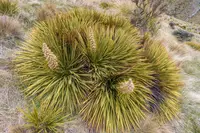
Golden spaniard, Aciphylla aurea, is a hardy evergreen perennial from alpine and subalpine regions of New Zealand. It forms dense clumps of stiff, narrow, golden-green leaves with a strongly architectural look. The plant produces tall flower spikes that rise above the foliage, giving it a spiky, sculptural presence in rocky or gravelly plantings. It stays relatively compact but can be long-lived in the right conditions. This species prefers cool summers, full sun, and sharply drained, low-fertility soil, which can make it challenging in hot or humid climates. Understanding how to care for Golden Spaniard starts with replicating its cool, exposed mountain habitat as closely as possible.

Main Plant Requirements

Care Difficulty

Moderate Care

Light Preference

Full Sun

Water Requirements

Moderate Water

Temperature Preference

Cold Hardy

Hardiness Zone

7–9

Soil Texture

Sandy, Loamy, Rocky

Soil pH

Slightly acidic (6.5–7.0), Neutral (7.0)

Soil Drainage

Well-drained

Fertilization

Minimal (feed rarely)

Get Personalized Care Plan

Scan your plant to receive care tips personalized for your specific plant

Available on iOS and Android

How to Care for the Golden Spaniard

This alpine species prefers bright, open conditions with cool roots and good air movement.

  • Provide 6–8 hours of direct sun in cool or coastal climates; in hotter areas, give morning sun with light afternoon shade to prevent leaf scorch.
  • Tolerates light partial shade (3–4 hours sun), but clumps become looser and flowering may decrease; Golden Spaniard looks best in full sun exposures.
  • Avoid dense shade, which causes weak, floppy growth; in summer, ensure nearby plants do not overgrow and block light, especially on the south and west sides.

This plant prefers evenly moist but sharply drained soil and dislikes prolonged wetness around the crown.

  • Allow the top 3–5 cm of soil to dry between waterings; in the ground, water deeply, then wait until the soil feels dry at finger depth before watering again.
  • During active growth in spring and early summer, monitor after warm, windy days; in cooler or rainy periods, skip watering if the soil stays slightly moist.
  • Ensure very free drainage with gravelly or sandy soil; signs of overwatering include yellowing, soft foliage and crown rot, while crisp, browning leaf tips suggest underwatering.

This hardy perennial tolerates cool conditions but grows best with moderate temperatures and good air circulation.

  • Optimal growth occurs around 50–70°F (10–21°C), common in mild coastal or upland climates; steady cool weather supports dense, compact rosettes.
  • Mature plants generally withstand lows near 5–10°F (-15 to -12°C) with mulch and good drainage; prolonged waterlogged freezing increases root and crown damage risk.
  • Heat tolerance is moderate; in spells above 80–85°F (27–29°C), provide some afternoon shade and avoid reflected heat from walls or paving to prevent foliage stress.

Humidity is rarely a limiting factor for Aciphylla aurea, which prefers relatively dry air.

  • Aim for 30–50% humidity, similar to many heated indoor or dry outdoor environments.
  • Plant tolerates low humidity well but may decline if kept in persistently damp, stagnant air.
  • Humidity stress shows as rot at the crown rather than leaf crisping, so prioritize air movement over added moisture.

Aciphylla aurea needs sharply drained, mineral-rich soil that never stays waterlogged.

  • Use a gritty mix such as 50% coarse sand, 30% fine gravel, and 20% low-organic topsoil or loam.
  • Keep drainage very fast; standing water around the crown quickly leads to rot in this taprooted species.
  • Aim for slightly acidic to neutral pH around 6.0–7.0, avoiding strongly acidic or saline soils.
  • Improve aeration by avoiding heavy peat; instead, incorporate grit or small gravel throughout the profile, especially in cooler climates.

This species can be grown in containers if the pot is deep and provides very rapid drainage.

  • Choose a tall, heavy container to accommodate the taproot and prevent the spiky foliage from toppling the pot in wind.
  • Fill the pot with a gritty, fast-draining mix and keep the crown slightly above the final soil level to shed water.
  • Raise the container on pot feet or bricks so water clears the drainage holes quickly, especially during prolonged rain.

This alpine perennial from New Zealand needs only light feeding in most garden soils, so focus on avoiding excess nutrients.

  • Use a low-strength balanced fertilizer (around 10-10-10) or a thin layer of compost in early spring as new growth starts.
  • Feed once per growing season in lean, free-draining soils; skip feeding in fertile beds to prevent weak, lush growth.
  • Apply liquid feeds at 1/2–1/4 label strength to avoid root burn and salt buildup around the crown.
  • Stop feeding Golden Spaniard by late summer and do not fertilize in winter dormancy.

Aciphylla aurea needs minimal pruning, mainly to maintain a clean clump and reduce disease risk.

  • Cut away dead, damaged, or diseased foliage at the base in late winter or very early spring before new growth emerges.
  • Remove spent flower stems after seed set if self-seeding is not desired or to keep the plant looking tidy.
  • Avoid heavy cutting into healthy rosettes, as this species does not regenerate well from hard pruning.
  • Use clean, sharp hand pruners or snips to make precise cuts and limit tissue damage.

This deep-rooted perennial prefers to stay undisturbed, so transplant Aciphylla aurea only when clearly necessary.

  • Look for signs such as congested crowns, poor vigor, or roots circling and emerging from drainage holes in containers.
  • Plan any transplanting for early spring or early autumn, when temperatures are mild and soil moisture is steady.
  • Disturb the taproot and surrounding soil as little as possible; lift with a deep spade and keep the rootball intact.
  • Water in gently after replanting, provide sharp-draining soil, and shade from strong sun for 3–5 days to reduce stress.

This species is most reliably propagated by seed, but growth is often slow and germination can be variable.

  • Sow fresh seed in late summer to autumn in deep trays or pots with very free-draining, gritty mix.
  • Provide cool conditions (around 40–50°F) for several weeks, then mild temperatures to encourage germination.
  • Keep the medium just moist, never waterlogged, and maintain good air movement to reduce damping-off disease.
  • Transplant seedlings only once they have a strong root system and handle the taproot very carefully.

This plant is generally cold hardy in temperate climates and needs little winter care in well-drained soil.

  • Ensure planting sites have sharp drainage so winter wet does not rot the crown or roots.
  • In very cold or exposed areas, apply a light gravel or gritty mulch around the base, avoiding direct crown cover.
  • Container-grown plants in colder zones can be moved to a sheltered, unheated but frost-free spot for winter.

Care Tips

Winter drainage prep

In late autumn, top-dress around the clump with a thin layer of coarse gravel or grit to keep the crown dry over winter and reduce the risk of rot in cold, wet spells.

Wind exposure management

Site plants where they get regular wind but are not funneled by walls or fences, as strong, shifting gusts help keep foliage dry and reduce fungal disease while extreme wind tunnels can physically damage the stiff leaves.

Slug and snail exclusion

Use sharp grit, crushed pumice, or copper tape barriers around young plants in spring, since new shoots are vulnerable to slug and snail grazing that can permanently deform the rosette.

Seed head handling

If allowed to flower, stake the tall stems early and remove seed heads once they brown to prevent self-seeding into gravel paths or nearby beds where seedlings are hard to remove due to the spiny foliage.

Careful access planning

Plant away from narrow paths and plan maintenance routes so you do not need to reach across the rosette, as the rigid, spiny leaves can injure hands and arms during routine tasks such as mulching or weeding when caring for Golden Spaniard.

Common Pests and Diseases

Grass grub

This pest is the larval stage of several scarab beetles that feeds on underground roots, causing clumps of foliage to yellow, weaken, and die back from the base. Symptoms include loose plants that pull up easily and patchy decline in otherwise healthy plantings.

Solution

Lift and inspect soil around affected plants, manually removing larvae where feasible, and encourage natural predators such as birds by lightly disturbing the soil surface. In higher-value plantings, use a targeted soil-applied biological control containing beneficial nematodes and replant into well-drained, organically enriched soil to support recovery when practicing how to take care of Golden Spaniard.

Porina caterpillar

This pest is a nocturnal caterpillar that grazes leaves and flowering stems at or near ground level, leaving ragged margins and chewed midribs. Symptoms include scattered, irregular holes and loss of central rosettes in young plants.

Solution

Hand-pick caterpillars at dusk using a flashlight, checking around the crown and soil surface, and remove heavily damaged foliage to reduce hiding places. In exposed sites, encourage birds and predatory insects, and where damage is severe, use a targeted biological or low-toxicity insect bait placed around but not directly on the plant clumps.

Crown fungal rot

This disease develops in poorly drained or overly wet conditions, starting at the crown where leaves meet the roots and progressing to browning, collapse, and a soft, decaying center. Symptoms include foliage yellowing from the base upward and a foul smell from the rotting crown tissue.

Solution

Cut out all soft, decayed material with a clean knife, dust or drench the crown area with a fungicide labeled for crown rots, and improve drainage by raising the planting area or using grittier soil. Avoid overhead watering in warm, humid weather and space plants so air can move freely through the foliage.

Leaf spot complex

This disease is caused by opportunistic fungi that attack stressed foliage, leading to small brown or tan spots that may merge into larger dead patches along the stiff leaves. Symptoms include spotting that starts on older leaves, sometimes with yellow halos, while new growth initially remains clean.

Solution

Remove and dispose of affected leaves promptly to lower the spore load, then improve air circulation by reducing crowding and avoiding prolonged leaf wetness. In persistent cases, apply a broad-spectrum fungicide during wet seasons and keep plants in full sun with free-draining soil to reduce humidity around the foliage.

Interesting Facts

Barbed leaf defenses

This species forms rigid, narrow leaves tipped with sharp barbs that discourage browsing by herbivores such as introduced deer and livestock in its native New Zealand alpine grasslands.

High-altitude specialist

Aciphylla aurea naturally occurs in open, exposed sites from montane to subalpine zones, showing strong adaptation to intense UV light, periodic snow cover, and persistent wind.

Umbel-forming flowers

It produces tall flowering stalks with compound umbels, a typical feature of the Apiaceae family, which attract a range of small native insects as pollinators during the brief alpine summer.

Botan icon

Did you know?

The golden-yellow foliage and inflorescences of Aciphylla aurea make it one of the most visually distinctive speargrasses in New Zealand alpine ecosystems, leading to its use as a recognizable indicator species for certain open tussock and herbfield communities.

FAQs about Golden Spaniard

This species performs best outdoors in cool, sunny, well-drained sites that mimic its alpine grassland habitat. Indoors it usually becomes weak and short-lived due to low light, stale air, and difficulty providing sufficient winter chill.

Grow Healthy Plants with Botan Care

Keep your plants happy and healthy with plant identification, disease detection, and easy care guidance.

Botan plant care app — identify plants on mobile

Explore More Plants