scarlet-plume Care (Euphorbia fulgens)

scarlet-plume

About scarlet-plume

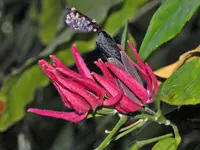
Scarlet-plume, Euphorbia fulgens, is a shrubby succulent from Mexico known for its slender, arching stems and bright scarlet bracts that resemble delicate flames. It often grows as a multi-stemmed plant, forming an airy, upright shape that looks light but can become quite bushy with age.

In nature it occurs on rocky hillsides and dry slopes, which explains its preference for well-drained soil and moderate watering. It responds best to bright light, stable warmth, and protection from cold drafts.

Gardeners who care for scarlet-plume appreciate its long flowering season but should note that it can be somewhat demanding about light and temperature consistency, especially indoors.

Main Plant Requirements

Care Difficulty

Moderate Care

Light Preference

Partial Sun

Water Requirements

Moderate Water

Temperature Preference

Tropical / Frost Sensitive

Hardiness Zone

10–11

Soil Texture

Sandy, Loamy, Organic-rich

Soil pH

Acidic (5.5–6.5), Slightly acidic (6.5–7.0)

Soil Drainage

Well-drained

Fertilization

Light (every 4–6 weeks)

Get Personalized Care Plan

Scan your plant to receive care tips personalized for your specific plant

Available on iOS and Android

How to Care for the scarlet-plume

Euphorbia fulgens prefers bright, gentle light that mimics its native, sunlit but not scorching habitats.

  • Provide 4–6 hours of morning sun with light afternoon shade; east or southeast exposure suits scarlet-plume well outdoors in mild climates.
  • Use filtered or dappled light behind a sheer curtain or under open tree canopy to prevent leaf scorch from intense midday sun.
  • Watch the stems: weak, stretched, pale growth signals insufficient light, while brown, crisp patches on leaves indicate excessive direct sun.

Euphorbia fulgens prefers infrequent, thorough watering that allows the soil to dry partly between soakings.

  • Water only when the top 3–5 cm of soil are fully dry, then soak deeply so water runs through, ensuring fast drainage to protect the roots.
  • Reduce watering in cooler, shorter-day months, allowing the soil to dry almost completely, and increase slightly during active warm-season growth.
  • Monitor stems and leaves: soft, yellowing, or mushy tissue suggests overwatering, while wrinkling, drooping, and very light, dusty-dry soil indicate underwatering.

This species thrives in warm, frost-free conditions with only moderate tolerance for temperature extremes.

  • Aim for 65–80°F (18–27°C) during active growth; stable warmth encourages strong stems and flowering.
  • Protect from cold below 50°F (10°C), as foliage damage can occur, and avoid any frost, which may kill exposed stems outright.
  • In hot periods above 90°F (32°C), provide light shade and airflow, while in cooler seasons keep the plant in the warmest, most sheltered microclimate available.

This species handles typical indoor humidity well and rarely needs special moisture adjustments.

  • Aim for 30–50% humidity; it tolerates drier air better than most tropicals used as scarlet-plume.
  • Crisp leaf edges or puckered stems usually relate to watering or light stress rather than low humidity.
  • Increase humidity only in very dry homes with a nearby water tray or grouped plants, not by misting.

Soil for this species must be very free-draining and airy to prevent root rot.

  • Use a gritty mix, for example 50–60% cactus potting mix with added perlite or pumice and some coarse bark.
  • Target a slightly acidic to neutral pH around 6.0–7.0, which suits Euphorbia fulgens in containers.
  • Create a loose, open structure; large mineral particles keep pores for air around the roots.
  • Avoid heavy garden soil, peat-only mixes, or containers where water lingers at the bottom after watering.

This species is well suited to container growing when the pot manages moisture and stability carefully.

  • Choose a moderately heavy pot, such as ceramic or clay, to stabilize tall flowering stems against tipping.
  • Select a container just 2–4 in wider than the root ball so the mix dries predictably between waterings.
  • Elevate the pot on feet or a stand so drainage holes stay clear and excess water can exit quickly.

Euphorbia fulgens benefits from modest, controlled feeding during its active growing season.

  • Use a balanced liquid fertilizer (around 10-10-10) diluted to 1/2 strength for scarlet-plume.
  • Feed every 4–6 weeks in spring and summer when growth and flowering are strongest.
  • Stop or reduce feeding to 1 light application in late fall, and avoid fertilizing in deep winter dormancy.
  • Skip rich compost in containers; use a well-drained mix and gentle, water-soluble nutrients instead.

Pruning Euphorbia fulgens helps maintain a compact form and encourages better flowering.

  • Cut back dead, damaged, or weak stems at the base in late winter or early spring before new growth starts.
  • Thin crowded shoots to improve air flow and light penetration, keeping the overall shape balanced.
  • Shorten leggy stems by up to 1/3 to promote branching and denser flowering displays.
  • Use clean, sharp pruners and avoid skin contact with the milky sap; rinse tools after use.

Container-grown Euphorbia fulgens needs occasional repotting to refresh soil and support healthy growth.

  • Check for roots circling the pot, emerging from drainage holes, or unexplained slow growth as signs to repot.
  • Plan repotting for late winter or early spring, every 2–3 years, just before vigorous growth resumes.
  • Move into a pot only 2–5 cm wider, using a gritty, fast-draining mix to prevent waterlogging.
  • Handle roots gently, keep the root ball mostly intact, water lightly after repotting, and shade from strong sun for 3–5 days.

Propagation of Euphorbia fulgens is commonly done from stem cuttings taken in warm seasons.

  • Take 7–10 cm semi-ripe cuttings in late spring or summer, avoiding very old or very soft shoots.
  • Dip cut ends briefly in water or allow sap to dry, then apply rooting hormone to improve success.
  • Insert cuttings into a sterile, sharply drained mix, keeping the base just buried and the medium slightly moist.
  • Maintain bright, indirect light, 70–80°F warmth, and high but not dripping humidity until roots form in several weeks.

Euphorbia fulgens is frost-sensitive and needs specific winter care, especially in cool climates.

  • In USDA zones colder than 10, grow in containers and move indoors before temperatures drop below 40°F.
  • Provide a cool, bright indoor spot, reduce watering, and allow the top soil to dry more between waterings.
  • Avoid cold drafts and sudden temperature swings that can cause leaf drop and root stress.
  • In mild climates, mulch lightly around the root zone to buffer short cool spells while keeping soil well-drained.

Care Tips

Support arching stems

Install slender stakes or a discreet hoop support early in the season so the brittle, arching flowering stems can be tied loosely and will not snap under the weight of blooms or during handling.


Rotate for even trusses

Turn the pot 90° every 7–10 days during active growth so flower trusses develop evenly around the plant instead of leaning heavily toward the brightest side.

Pinch for branching

Lightly pinch back soft shoot tips once or twice early in the growing season to encourage more lateral branches and a fuller display of flower clusters rather than a few long, sparse stems.

Cool rest period

After flowering, provide a slightly cooler, brighter, and drier rest period for 6–8 weeks to extend long-term vigor and improve bud set in the next flowering cycle when growing scarlet-plume.

Safe sap handling

When pruning or taking cuttings, wear gloves, collect the milky sap on a tissue, and briefly dip the cut surface in clean water to stop latex flow and reduce the risk of skin irritation or sticky residue on tools and surfaces.

Common Pests and Diseases

Mealybugs

This pest is attracted to the soft, succulent stems and leaf axils, where it feeds on sap and produces white, cottony clusters. Symptoms include sticky honeydew, distorted new growth, and gradual decline of flowering stems.

Solution

Isolate the plant, then dab visible insects with cotton swabs dipped in 70% isopropyl alcohol and repeat weekly until no new clusters appear. For heavier infestations, rinse stems gently under lukewarm water, improve light and air movement, and use a labeled insecticidal soap or horticultural oil, taking care to keep sprays off the soil as much as possible.

Spider mites

These insects favor the narrow leaves of Euphorbia fulgens in warm, dry indoor air, causing fine speckling, dull foliage, and delicate webbing between leaves and stems. Symptoms include faded leaves, slowed growth, and early leaf drop, especially during heated indoor seasons.

Solution

Increase humidity around the plant, then rinse both sides of the leaves and stems with a gentle but thorough shower of lukewarm water. Follow with repeated treatments of insecticidal soap or a light horticultural oil at 5–7 day intervals, and keep the plant away from hot, drying air vents to support long-term Euphorbia fulgens plant care.

Powdery mildew

This disease appears as white, powdery patches on stems and leaves, often when the plant is kept in stagnant air with moderate temperatures and uneven watering. Symptoms include dull, mottled foliage, reduced flowering, and premature leaf drop on affected shoots.

Solution

Remove and discard the most affected leaves and thin crowded stems to improve airflow around the plant. Keep foliage dry, water at the base, and if needed apply a sulfur or potassium bicarbonate-based fungicide labeled for ornamentals, repeating according to label directions until new growth remains clean.

Botrytis blight

This disease produces soft, water-soaked spots on bracts and stems that quickly turn brown and develop gray, fuzzy mold, especially in cool, humid, low-light conditions. Symptoms include collapsed flower stems and spotting on the colorful bracts that spoils display quality.

Solution

Cut off and discard all infected flowers and stem sections, then improve airflow and reduce humidity around the plant by spacing it away from other pots and avoiding overhead misting. Allow the surface of the potting mix to dry slightly between waterings and, in persistent cases, use a labeled ornamental fungicide targeting Botrytis, applied before severe spread is visible.

Interesting Facts

Mexican canyon specialist

This species is native to steep volcanic slopes and rocky canyons in Mexico, where it grows as a semi-woody shrub in well-drained, mineral-rich soils.

True winter bloomer

In its native habitat, it naturally flowers in the cooler, shorter days of late autumn and winter, producing long, slender stems covered in bright red bracts and small yellow flowers.

Leaf-drop survival strategy

The plant often sheds many of its narrow leaves after flowering, a response linked to seasonal dryness that helps reduce water loss in its canyon habitats.

Botan icon

Did you know?

Euphorbia fulgens was historically used in European breeding to introduce its narrow, arching, bright red flower bracts into cut-flower hybrids, leading to modern cultivars selected specifically for long, elegant winter stems in the floristry trade.

FAQs about scarlet-plume

Lack of flowering usually comes from insufficient light, too much nitrogen fertilizer, or irregular watering. Cool, short days can also delay buds. Stable conditions and balanced feeding are key parts of Euphorbia fulgens care.

Grow Healthy Plants with Botan Care

Keep your plants happy and healthy with plant identification, disease detection, and easy care guidance.


Botan plant care app — identify plants on mobile

Explore More Plants