Persian onion Care (Allium cristophii)

Also known as: star of Persia, Star-of-Persia
Persian onion

About Persian onion

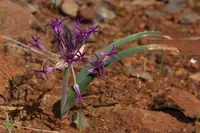
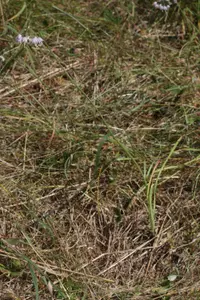
Persian onion, Allium cristophii, is a bulb-forming ornamental onion grown mainly for its large, spherical flower heads. Each globe is made of many star-shaped, metallic lilac flowers held on strong stems above narrow, gray-green leaves. It originates from dry, rocky areas in parts of Iran, Turkey, and Central Asia, so it copes well with sun and relatively poor, well-drained soils. The bulbs are hardy and usually long-lived if they stay dry in summer, which makes it fairly easy to maintain. Gardeners who want to care for Persian onion successfully should focus on good drainage and a bright, open planting spot.

Main Plant Requirements

Care Difficulty

Easy Care

Light Preference

Full Sun

Water Requirements

Low Water

Temperature Preference

Cold Hardy

Hardiness Zone

4–9

Soil Texture

Sandy, Loamy, Rocky

Soil pH

Slightly acidic (6.5–7.0), Neutral (7.0)

Soil Drainage

Well-drained

Fertilization

Minimal (feed rarely)

Get Personalized Care Plan

Scan your plant to receive care tips personalized for your specific plant

Available on iOS and Android

How to Care for the Persian onion

Allium cristophii thrives in bright, open conditions with long daily sun exposure.

  • Provide 6–8 hours of direct sun daily; full sun is best for strong stems and large flower heads.
  • Plant in a spot with morning to early afternoon sun; it tolerates light afternoon shade, especially in hotter regions.
  • Insufficient light leads to weak, floppy growth and fewer blooms, while extreme reflected heat near walls or pavement can scorch foliage of Persian onion.

Allium cristophii prefers infrequent, light watering and dry, free-draining soil.

  • Water only when the top 3–5 cm of soil is completely dry, then soak the root zone and let excess drain away.
  • During active growth and flowering, check soil weekly; reduce watering sharply once foliage starts yellowing and bulbs enter dormancy.
  • Use gritty, fast-draining soil to prevent bulb rot; symptoms of overwatering include soft, mushy bulbs, while underwatering shows as early leaf dieback.

This bulb is cold hardy and tolerates a wide range of outdoor temperatures when planted in the ground.

  • Active growth and flowering are best in 55–75°F (13–24°C), with cool springs encouraging sturdy stems and good color.
  • Dormant bulbs tolerate winter lows down to about 0°F (−18°C) in well-drained soil, especially with a light mulch layer.
  • Mature plants cope with short heat spells up to 90°F (32°C), but prolonged extreme heat with wet soil increases rot risk, so maintain good drainage.

Humidity is not a significant factor for Allium cristophii, which thrives in dry conditions typical of outdoor beds.

Allium cristophii prefers mineral, sharply drained soil that stays relatively dry around the bulbs.

  • Use sandy or gritty loam with at least 30–50% coarse sand or fine gravel to prevent waterlogging around the bulb.
  • Incorporate a modest amount of compost or well-rotted leafmold to improve structure, but keep the mix more mineral than organic.
  • Aim for slightly alkaline to neutral pH around 7.0–7.8; add garden lime if the soil is noticeably acidic.
  • On heavy clay sites, plant on a raised bed or gravelly mound to increase aeration and speed up drainage.

This species can be grown in containers if the pot is prepared to mimic dry, free-draining garden soil.

  • Choose a deep, heavy container that will not tip when tall flower stems catch wind or are brushed against.
  • Fill the pot with a gritty mix, such as 50% peat-free compost and 50% horticultural grit, to keep bulbs from sitting in stagnant moisture.
  • Elevate the container on pot feet so drainage holes stay clear and excess water escapes quickly after rain or watering.

Allium cristophii grows well in average soil and only needs light feeding to support flowering.

  • Mix a thin layer of garden compost or well-rotted manure into the planting area in early spring for Persian onion.
  • Optionally apply a balanced slow-release fertilizer (around 10-10-10) once as shoots emerge.
  • Use at 1/2 label strength to avoid salt buildup around bulbs.
  • Do not feed during summer dormancy or winter, as inactive bulbs cannot use extra nutrients.

Allium cristophii needs only simple pruning to keep clumps tidy and support repeat flowering.

  • In late spring to early summer, remove only yellowing or damaged leaves with clean hand pruners.
  • After blooms fade, deadhead spent flower heads unless seed collection or ornamental dried heads are desired.
  • Cut flower stalks down to the base once completely dry to direct energy back to the bulb.
  • Avoid removing healthy green foliage early, as this reduces photosynthesis and weakens next year’s display.

This bulb is usually grown in beds or borders, with transplanting focused on dividing crowded clumps.

  • Look for dense clumps, reduced flowering, or bulbs pushing to the soil surface as signs it needs lifting.
  • Lift and divide bulbs every 3–5 years in late summer to early fall, once foliage has fully died back.
  • Gently loosen soil, separate offsets by hand, and replant at 2–3x bulb height depth in well-drained ground.
  • Water lightly after replanting, then keep soil just barely moist to reduce root stress and prevent rot.

Allium cristophii is most often propagated by bulb division, with seed used mainly for long-term increase.

  • In late summer or early fall, lift dormant clumps and separate small offset bulbs from the parent.
  • Replant offsets at 2–3x their height depth in well-drained soil, spacing 10–15 cm apart.
  • For seed, sow fresh in pots or trays outdoors, allowing natural winter chilling for better germination.
  • Keep seed trays evenly moist but not wet; seedlings may need 2–3 years to reach flowering size.

Allium cristophii is generally cold hardy in much of the US and needs minimal winter care in the ground.

  • In regions colder than its hardiness range, apply a 5–8 cm mulch layer over the bulb area after soil cools.
  • Avoid heavy, wet winter soils; ensure drainage so bulbs do not sit in standing water.
  • For container-grown plants, move pots to a sheltered, unheated area like a cold frame or garage to prevent freeze-thaw root damage.

Care Tips

Bulb spacing strategy

Plant bulbs in tight groups of 5–7, spaced 10–15 cm apart, to create fuller-looking flower clusters and to make it easier to lift and divide clumps every 3–4 years.

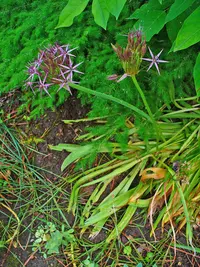
Marking bulb positions

Place small, discreet markers or gravel rings above bulb sites after fall planting so you do not accidentally disturb them during spring soil work or seasonal replanting.

Seed head management

After flowering, leave some dry seed heads on sturdy stems for ornamental value and wildlife interest, but remove others to reduce self-seeding and conserve the bulb’s energy for next year.

Support in windy sites

In exposed gardens, insert low, unobtrusive stakes before stems elongate and loosely tie them with soft ties to prevent top-heavy flower heads from snapping in strong wind.

Companion underplanting

Underplant bulbs with low, late-emerging perennials or groundcovers, such as hardy geraniums or low nepeta, to hide fading foliage while still allowing enough sunlight for the bulbs to recharge, which is useful when caring for Persian onion in mixed borders.

Common Pests and Diseases

onion fly

This pest lays eggs at the base of bulbs and larvae tunnel into the tissue, causing yellowing foliage and plant collapse. Symptoms include soft, rotten bulbs with maggots inside.

Solution

Use fine mesh or horticultural fleece over the bed from early spring to prevent egg laying, and practice crop rotation so alliums are not grown in the same soil every year. Remove and destroy affected bulbs promptly and keep the area free of plant debris that can shelter pupae.

onion thrips

These insects feed by rasping leaf surfaces, leading to silvery streaks, small white patches, and general weakening of the plant. Severely affected leaves may yellow and dry out early, reducing flowering and bulb vigor.

Solution

Encourage good air movement around plants and avoid very dry, dusty conditions. If numbers are high, rinse foliage with a firm jet of water, then apply a targeted insecticidal soap or horticultural oil, making sure to coat both sides of the leaves.

downy mildew

This disease causes pale yellow, then brown patches on leaves, often with a grey‑violet fuzzy growth in humid or cool, damp conditions. Infected foliage declines early, which weakens bulbs and reduces flowering the following year.

Solution

Improve spacing and airflow, avoiding overhead watering, especially in the evening. Remove and destroy infected leaves, avoid replanting alliums in the same site for several years, and consider using clean, certified bulbs to reduce the risk of introduction.

white rot

This disease leads to yellowing, wilting foliage and a failure to develop healthy bulbs, often with a white, fluffy fungal growth and small black sclerotia on the bulb and roots. The fungus can persist in soil for many years and can severely affect stands of ornamental alliums.

Solution

Lift and destroy all affected plants, including bulbs and surrounding soil, and do not compost infected material. Avoid planting any alliums in contaminated soil for many years, instead using clean containers or a new bed for growing Persian onion.

Basal plate rot

This disease starts at the base of the bulb, causing brown, dry or soft decay that moves upward, often leading to stunted growth and premature leaf dieback. Infected bulbs may show poor emergence or collapse shortly after sprouting.

Solution

Plant only firm, healthy bulbs and avoid mechanical damage when handling or planting. Improve drainage, avoid overwatering, and discard any bulbs showing signs of rot, while rotating planting areas so alliums are not repeatedly grown in the same soil.

Interesting Facts

Star-shaped flower structure

The spherical flower head is made of around 50–100 individual star-shaped florets, each with metallic lilac tepals that give the inflorescence a distinct silvery sheen as it ages.

Persistent seed heads

After flowering, the dried seed heads remain structurally intact for many months and are often collected for long-lasting ornamental use in dried flower arrangements.

Origin in dry habitats

This species is native to dry, rocky regions of Iran, Turkmenistan, and surrounding areas, which explains its strong adaptation to well-drained soils and tolerance of summer drought once established.

Botan icon

Did you know?

In some botanic collections and bulb trials, the dried, skeletal flower heads of Allium cristophii are intentionally left standing through winter because their open lattice structure traps frost and snow, creating striking geometric patterns in cold weather displays.

FAQs about Persian onion

Lack of flowers usually comes from bulbs planted too shallow, insufficient sun, or bulbs that did not get a cool winter rest. Overly rich, wet soil and heavy feeding can also reduce flowering in the next season.

Grow Healthy Plants with Botan Care

Keep your plants happy and healthy with plant identification, disease detection, and easy care guidance.

Botan plant care app — identify plants on mobile

Explore More Plants