Lesser Sea-spurrey Care (Spergularia marina)

Also known as: Saltmarsh Sand Spurry, Sea Spurrey, אפזרית מלוחה
Lesser Sea-spurrey

About Lesser Sea-spurrey

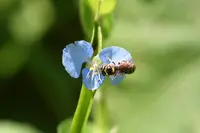
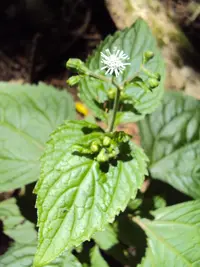
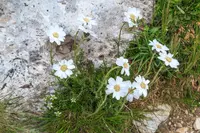
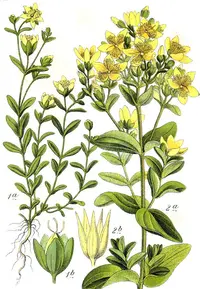
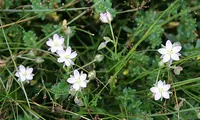
Lesser sea-spurrey, Spergularia marina, is a small, salt-tolerant annual that often forms low mats or sparse tufts. It has fine, narrow leaves and small pale pink to whitish flowers.

This species typically grows along salt marshes, coastal sands, and saline roadside or disturbed areas. Its strong tolerance for salt and poor, compacted soils can make it relatively easy to manage in specialized coastal or salt-garden settings.

Those conditions also limit how to care for Lesser Sea-spurrey, since it does not perform well in rich, constantly fresh soils. It generally prefers full sun, open exposure, and well-drained, sandy or gritty substrates.

Main Plant Requirements

Care Difficulty

Moderate Care

Light Preference

Full Sun

Water Requirements

Aquatic

Temperature Preference

Cool Climate

Hardiness Zone

5–9

Soil Texture

Sandy, Loamy

Soil pH

Neutral (7.0), Slightly alkaline (7.0–7.5)

Soil Drainage

Waterlogged tolerant

Fertilization

Minimal (feed rarely)

Get Personalized Care Plan

Scan your plant to receive care tips personalized for your specific plant

Available on iOS and Android

How to Care for the Lesser Sea-spurrey

This coastal annual prefers strong light that mimics open shorelines.

  • Provide full sun for 6–8 hours/day; Lesser Sea-spurrey grows most compact and floriferous in unobstructed light.
  • Accepts light partial shade, especially with morning sun and light afternoon shade, but flowering and density decrease as shade increases beyond 3–4 hours/day.
  • In very hot inland summers, protect from intense late-afternoon sun to reduce stress and desiccation; in low-light seasons avoid tall shading structures that block winter sun angles.

This halophytic species naturally grows in moist, often saline, coastal substrates.

  • Aim for consistently moist but not stagnant soil; allow only the top 1–2 cm to lose surface sheen before the next watering.
  • In very free-draining sandy or gravelly soils, monitor plants closely during hot, dry spells; foliage wilting or dull, bluish-green leaves indicate the need for prompt watering.
  • Yellowing, soft stems or a sulfurous smell from the root zone signal overwatering; ensure sharp drainage so water never pools around Spergularia marina for more than a few hours.

This species is adapted to variable coastal temperatures but has clear limits.

  • Optimal growth occurs around 55–72°F (13–22°C), typical of cool to mild maritime conditions during spring and early summer.
  • Plants tolerate brief dips to about 25°F (-4°C); repeated hard frosts below this level can kill foliage and weaken crowns, especially in exposed inland sites.
  • Heat tolerance extends to about 86–90°F (30–32°C) if soil moisture is maintained; prolonged hotter periods increase stress, so avoid additional reflected heat from walls or paving.

This coastal halophyte tolerates a wide humidity range but prefers relatively dry air.

  • Target 30–60% air humidity, similar to typical indoor and coastal outdoor conditions.
  • Very dry air is tolerated, but extreme indoor heating can cause leaf tip browning and slowed growth in Lesser Sea-spurrey.
  • If air is extremely dry and plants look shriveled, group pots together on a shallow pebble tray with a thin water layer below pot bases.

This species is adapted to sandy, saline substrates and needs sharply drained, lean soil in cultivation.

  • Use a very sandy mix such as 60–80% coarse sand with the remainder split between fine gravel and a low‑peat seed compost for structure.
  • Ensure extremely rapid drainage; water should pass through in seconds and the surface should not stay wet for long periods.
  • Aim for neutral to slightly alkaline pH (about 7.0–8.0), which suits the natural habitat of Spergularia marina on coastal flats.
  • Avoid dense clay, high organic potting mixes, and any soil that compacts, since low aeration and excess moisture quickly lead to root decline.

This species is suitable for container growing, especially for recreating coastal, sandy conditions.

  • Choose a broad, shallow pot to accommodate its mat-forming habit and prevent the thin root system from sitting in deep, wet substrate.
  • Use a mineral-based top dressing (fine gravel) to stabilize the surface and reduce splashing that can compact the sandy mix.
  • Select unglazed terracotta if faster evaporation is needed, or plastic in very hot, windy sites to prevent the thin substrate from drying too abruptly.

This salt-tolerant coastal annual usually thrives in poor soils and Lesser Sea-spurrey typically needs no fertilization in the ground.

Pruning needs for Spergularia marina are minimal and mainly cosmetic.

  • Trim spent flowering stems in late summer to keep plants compact and encourage a tidy mat-forming habit.
  • Snip off dead or damaged shoots with small, clean scissors to reduce disease entry points.
  • Avoid heavy cutting into green, healthy growth, as this short-lived annual relies on ample foliage for energy.

This species is more often transplanted outdoors than kept long term in containers.

  • Transplant in spring when seedlings are small and before flowering starts, as older plants resent root disturbance.
  • Move plants only if growth stalls in obviously waterlogged, compacted, or unsuitable soil.
  • Lift with a wide plug of soil, handle roots gently, and replant at the same depth to limit transplant shock.
  • Water lightly after transplanting, then allow soil to drain well, matching its natural, sandy, coastal habitat.

Propagation of this coastal annual is most effective from seed.

  • Collect seeds from dry capsules at the end of the flowering season and store cool and dry.
  • Sow seeds in late winter to early spring on the surface of sandy, well-drained, slightly saline soil.
  • Keep the seed tray in bright light with gentle moisture; avoid waterlogging to prevent damping-off, a seedling rot.
  • If using cuttings, take short non-flowering shoots in late spring and root in a gritty, sharply draining mix.

This annual species is naturally cold and salt tolerant and usually needs no special winter care outdoors.

Care Tips

Salinity Management

If grown away from the coast, mimic its natural salty habitat by occasionally irrigating with a very weak sea-salt solution (for example 0.5–1 g non-iodized sea salt per 1 L water), but rinse the container with plain water every few weeks to prevent excessive salt buildup.

Low-Nutrient Substrate

Use a lean, sandy mix with minimal organic matter or slow-release fertilizer to keep growth compact and prevent the plant from becoming floppy or overly lush, which can reduce its salt tolerance.

Coastal Wind Hardening

Before planting in exposed seaside sites, gradually acclimate young plants to wind by placing them outdoors in a breezy but not fully exposed spot for 7–10 days, which encourages sturdier stems and tighter growth.

Seed Bank Renewal

Allow some flowers to set and drop seed in place at the end of the season so a natural seed bank forms in the soil, maintaining dense colonies over time without frequent replanting when growing Lesser Sea-spurrey.

Substrate Level Control

In containers or salt marsh gardens, keep the crown just above the final substrate level and avoid piling sand or gravel over the stem base to reduce the risk of crown rot in periods of prolonged rain or flooding.

Common Pests and Diseases

Leaf spot fungi

This disease causes small brown to dark-purple spots on leaves and stems, often appearing during extended wet or humid periods in coastal settings.

Solution

Remove and discard heavily spotted foliage, avoid persistent overhead watering, and increase air movement around plants; in exposed coastal gardens, improve drainage and reduce splashing from saline water to limit spread of spores.

Powdery mildew

This disease produces a fine white or gray powdery growth on leaves and young stems, usually when air is humid but leaf surfaces are relatively dry.

Solution

Thin crowded patches, improve airflow, and avoid excessive nitrogen fertilization that encourages soft growth; if needed, treat early with a sulfur or potassium bicarbonate spray labeled for ornamental plants, applied according to local regulations.

Aphids

These insects cluster on young shoots and flower stems, sucking sap and causing curled, sticky foliage with possible sooty mold growth on honeydew.

Solution

Rinse colonies off with a firm stream of fresh water, encourage natural predators such as lady beetles, and, if populations persist, use an insecticidal soap or horticultural oil, making sure to rinse salt deposits from foliage first to avoid extra stress.

Spider mites

These pests cause fine stippling, dulling, and occasional webbing on foliage, especially during hot, dry spells away from direct sea spray influence.

Solution

Regularly hose down plants with fresh water to dislodge mites and raise local humidity, remove and discard heavily damaged stems, and apply horticultural oil or insecticidal soap to both upper and lower leaf surfaces if populations remain high.

Salinity stress necrosis

Symptoms include yellowing, browning, and tissue death along leaf margins when salinity levels exceed this halophyte’s tolerance in poorly drained containers or artificially salted areas.

Solution

Improve drainage, avoid using de-icing salts or softened water, and periodically leach containers with low-salinity water to flush accumulated salts; in garden settings, redirect runoff and use gritty, sandy media consistent with Spergularia marina care instructions.

Interesting Facts

Extreme salt tolerance

This coastal species can complete its life cycle in highly saline soils that would kill most other herbs, thanks to specialized salt glands that excrete excess salt from its leaves and stems.

Indicator of sea influence

Populations often mark upper salt marsh zones, tidal flats, and road margins contaminated with de-icing salt, so its presence can indicate environments regularly exposed to saltwater or salt spray.

Tiny yet prolific flowers

The plant bears small pale pink to whitish flowers that self-pollinate easily, allowing rapid colonization of disturbed, salty substrates with minimal reliance on pollinators.

Botan icon

Did you know?

This annual halophyte frequently forms part of pioneer plant communities on newly deposited coastal sediments, helping to stabilize loose, saline substrates and creating slightly more hospitable microhabitats for less salt-tolerant species that arrive later in succession.

FAQs about Lesser Sea-spurrey

This species performs best outdoors in salty, coastal or maritime-influenced conditions with full exposure. Indoors it rarely thrives long term, since low light, stagnant air, and low salinity substrates do not match its natural habitat.

Grow Healthy Plants with Botan Care

Keep your plants happy and healthy with plant identification, disease detection, and easy care guidance.

Botan plant care app — identify plants on mobile

Explore More Plants