Substrate Containment
In ponds or aquariums, grow the plant in a fine-mesh aquatic basket filled with heavy loam so roots are contained, which makes division, relocation, and cleaning much easier.

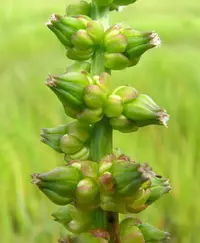
Cycnogeton procerum, commonly called water ribbons, is an aquatic or semi-aquatic plant native to Australia and New Zealand. It typically grows in shallow freshwater wetlands, ponds, and slow streams.
The plant forms long, narrow, ribbon-like leaves that float or arch gracefully under water, creating a soft, flowing look. Its growth habit makes it useful for naturalistic ponds and habitat-style water gardens.
This species prefers consistently wet conditions, neutral to slightly acidic substrates, and unpolluted water. Once established, it can be relatively easy to manage if water levels stay stable. Understanding how to care for Water Ribbons begins with providing steady moisture and avoiding strong water movement or frequent disturbance.

Care Difficulty
Moderate Care

Light Preference
Full Sun

Water Requirements
Aquatic

Temperature Preference
Cool Climate

Hardiness Zone
Unknown

Soil Texture
Silty, Organic-rich

Soil pH
Slightly acidic (6.5–7.0)

Soil Drainage
Waterlogged tolerant

Fertilization
Minimal (feed rarely)
Scan your plant to receive care tips personalized for your specific plant
Available on iOS and Android
This aquatic species prefers bright conditions but avoids intense, drying exposure.
This semi-aquatic plant thrives with consistently saturated conditions rather than fluctuating wet–dry cycles.
This species prefers mild, temperate conditions and is sensitive to hard frost and extreme heat.
This semi-aquatic species tolerates a wide humidity range but prefers consistently moist air around foliage.
Cycnogeton procerum prefers saturated, organic-rich substrates that stay wet without becoming anaerobic.
This species adapts well to container culture, especially in water gardens and pond margins.
Cycnogeton procerum (Water Ribbons) is a low‑nutrient wetland plant that benefits from only light feeding in containers or artificial ponds.
Cycnogeton procerum needs only light, maintenance pruning to keep clumps tidy and healthy.
This species is usually grown in ponds or boggy beds, so management focuses on dividing and transplanting overcrowded clumps rather than frequent repotting.
Cycnogeton procerum is most commonly propagated by division of established clumps, rather than from seed, for predictable results.
This plant is relatively cold hardy in mild to cool climates, but some winter attention improves survival in colder regions.

Plant Health Check
Not sure what's wrong with your plant? Check your plant's health inside the app.
This species is native to south‑eastern Australia and Tasmania, where it grows in permanent or seasonally flooded freshwater habitats such as swamps, lagoons, and slow streams, often forming dense stands in shallow water.
Its long, narrow, strap-shaped leaves are flexible and often submersed or floating, an adaptation that reduces damage from flowing water and allows the plant to function both partially submerged and emergent.
The plant produces small nut-like fruits that can be transported by waterbirds, helping it colonize new wetlands across drainage lines and floodplains.

Cycnogeton procerum was long treated under the genus Triglochin, and its reclassification followed detailed studies of floral structure and fruit morphology that showed it forms a distinct evolutionary lineage within the Juncaginaceae.
This species spreads by rhizomes and seed, forming dense clumps in shallow water or saturated soil. In small ponds or narrow streams it can dominate space, so regular thinning and physical removal of extra shoots is often necessary.
Keep your plants happy and healthy with plant identification, disease detection, and easy care guidance.