watermelon snow Care (Chlamydomonas nivalis)

Also known as: Blood Snow, Raspberry Snow
watermelon snow

About watermelon snow

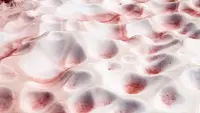
Watermelon snow is formed by the microscopic green alga Chlamydomonas nivalis, which contains a red pigment that tints melting snow pink or reddish. It is not a typical houseplant but a cold-adapted alga that lives in late-lying snowfields and alpine or polar environments.

The cells rest in snow and ice, then multiply rapidly during thawing periods, creating dense blooms on the snow surface. Because it depends on very specific cold, wet, and nutrient-poor conditions, it is difficult to grow deliberately and is unsuitable for standard indoor culture.

Enthusiasts who want to care for watermelon snow must understand that it behaves more like a specialized outdoor microalga than a conventional ornamental plant.

Main Plant Requirements

Care Difficulty

Hard Care

Light Preference

Full Sun

Water Requirements

Aquatic

Temperature Preference

Cold Hardy

Hardiness Zone

Unknown

Soil Texture

Sandy, Rocky, Organic-rich

Soil pH

Slightly acidic (6.5–7.0)

Soil Drainage

Waterlogged tolerant

Fertilization

Minimal (feed rarely)

Get Personalized Care Plan

Scan your plant to receive care tips personalized for your specific plant

Available on iOS and Android

How to Care for the watermelon snow

This cold-adapted microalga relies on high light but survives where snow moderates intensity.

  • Provide 8–12 hours of full sun on open snowfields; light penetrates the upper 10–20 cm of snow where it photosynthesizes.
  • Accepts partial shade from clouds or low-angle winter sun, but prolonged shade greatly slows growth and reduces the pink color of watermelon snow.
  • Avoid dirty or debris-covered snow that blocks light; late-season thinning snow can increase UV exposure, which may stress cells in shallow meltwater.

This species lives in meltwater films within snow, so liquid water availability is more important than deep saturation.

  • Thrives where surface snow is moist but not slushy; a thin film of meltwater around grains is ideal for Chlamydomonas nivalis movement and photosynthesis.
  • In natural settings, daily freeze–thaw cycles regulate moisture; extended hard freeze stops activity, while heavy, continuous melt can wash cells downslope.
  • Signs of stress include duller coloration and reduced surface patches where snow dries out or where fast runoff removes the upper snow layer.

This snow alga is highly cold-tolerant and adapted to near-freezing melt conditions.

  • Best active growth occurs around 32–41°F (0–5°C) in moist surface snow, where thin meltwater films persist through the day.
  • Cells tolerate drops to about 14°F (−10°C) in dormant states inside deeper or compacted snow, with metabolic activity greatly reduced.
  • Sustained heating above 46–50°F (8–10°C) rapidly increases melt and runoff, which can disperse populations and shorten the visible growing season.

Humidity plays a minor role, since this alga naturally grows on snow surfaces rather than in air-exposed tissues.

In nature this species uses meltwater on snow rather than true soil, but a cold, mineral medium can support observation cultures.

  • Use a sterile, coarse sand or fine gravel base with very little organic matter to mimic its low-nutrient alpine environment.
  • Ensure rapid drainage so meltwater or culture water moves through quickly, preventing stagnant, oxygen-poor conditions.
  • Maintain slightly acidic to neutral conditions around pH 6.0–7.0 by avoiding alkaline rock dusts or limestones.
  • For small experimental Chlamydomonas nivalis cultures, use a shallow tray so a thin water film forms and drains off easily.

This species can be kept in shallow containers mainly for experimental or educational culture rather than ornamental display.

  • Choose broad, shallow trays so the snow or ice layer stays thin and light penetrates evenly across the culture surface.
  • Use rigid, freezer-safe containers to tolerate repeated freezing–thawing cycles without cracking or deforming.
  • Elevate containers slightly and tilt them a few degrees so meltwater drains off rather than pooling over the algal layer.

Chlamydomonas nivalis is a microscopic snow alga that obtains nutrients directly from melting snow and surrounding mineral particles, so routine fertilization is unnecessary.

Chlamydomonas nivalis is a unicellular alga, so it is not pruned in the way vascular plants are managed.

In cultivation, Chlamydomonas nivalis is usually maintained in laboratory culture rather than repotted as an ornamental plant.

  • Transfer cultures only when growth slows, medium becomes cloudy, or cells are overly dense under the microscope.
  • Use fresh sterile liquid or agar medium at similar temperature and light levels to reduce stress.
  • Gently mix a small volume of healthy culture into new medium instead of pouring off all old medium at once.
  • Label containers with date and medium type to track typical transfer intervals, often every 2–4 weeks.

This snow alga is propagated by controlled culture rather than by traditional horticultural methods such as cuttings or division.

  • Use an axenic starter culture of Chlamydomonas nivalis from a reputable culture collection.
  • Initiate new cultures in sterile flasks or dishes containing a suitable algal growth medium.
  • Maintain cool temperatures and low–moderate light to mimic high-elevation snowfield conditions.
  • Subculture small inoculum volumes into fresh medium at set intervals to maintain healthy, actively dividing cells.

In natural habitats, this species is extremely cold-tolerant and requires no winter care, as watermelon snow forms within prolonged snowpack.

Care Tips

Use clean meltwater

Collect fresh, visibly clean snowmelt from the site where the algae occur and use it as the culture medium, rather than tap water, which often contains chlorine, metals, or nutrients that can disrupt natural growth patterns.

Gradual light shifts

When moving field-collected material into artificial light, increase light intensity and duration in small steps over several days to reduce stress and pigment bleaching in the algal cells.

Controlled cold storage

If short-term storage is needed, keep samples at 0–4°C in dim light instead of freezing them solid, which damages the cells and reduces viability for further observation or research.

Avoid nutrient enrichment

Do not add general-purpose fertilizers or plant food to cultures, since excess nutrients favor contaminant microbes and can quickly outcompete the snow algae.

Minimize contamination

Use sterilized containers, clean tools, and tight-fitting lids with small air holes to limit dust and spore contamination, which is one of the most common reasons cultures fail when growing watermelon snow in a controlled setup.

Common Pests and Diseases

Fungal contamination

This disease often appears when cultures are kept too warm or organic debris is present, allowing fast-growing fungi to overtake the algal cells. Symptoms include cloudiness, filamentous growth, or surface films that outcompete the red microalgae.

Solution

Discard heavily contaminated snow or culture material, then restart from a clean, well-pigmented sample kept cold (0–5°C) with minimal organic nutrients. In lab culture, sterilize containers and meltwater, work with clean tools, and reduce nutrient levels so Chlamydomonas nivalis remains competitive while fungi are suppressed.

Bacterial overgrowth

This disease occurs when bacteria multiply rapidly in meltwater, especially if nutrient levels are high or the sample is stored at mild temperatures. Symptoms include unpleasant odor, rapid loss of red coloration, and turbid water that no longer clears with sedimentation.

Solution

Remove and discard strongly affected material and re-collect or re-isolate from a visibly healthy, bright red patch of snow. For controlled cultures, maintain very low nutrient concentrations, use sterile or filtered meltwater, and keep the culture cold with gentle light so the algae stay active while bacterial growth remains limited, which is a key part of practical Chlamydomonas nivalis care.

Protozoan grazers

These pests are microscopic single-celled predators that feed on algal cells when meltwater remains liquid for extended periods. Symptoms include thinning cell density, patchy color, and reduced recovery of algae when concentrating samples.

Solution

Decant or filter the algae through fine mesh or membrane filters sized to retain algal cells but allow larger protozoa to pass or be separated. Store cleaned samples colder and with shorter liquid phases by freezing between observation periods, which lowers grazer activity and slows their population growth.

Rotifer predation

These microscopic animals can colonize meltwater and graze heavily on algal cells, especially in nutrient-enriched stored snow or long-term cultures. Symptoms include visible motile organisms under magnification and a steady decline in algal concentration despite suitable light and temperature.

Solution

Concentrate the algae by gentle centrifugation or fine filtration, then resuspend in fresh, cold meltwater taken from cleaner snow or sterile ice, leaving most rotifers behind. Prevent recurrence by avoiding nutrient enrichment, keeping cultures cold, and limiting the time snow remains fully melted.

Interesting Facts

Causes pink snow

This alga is responsible for the phenomenon called watermelon snow, where large populations color summer snowfields pink to red due to its pigments.

Antifreeze pigments

Its cells accumulate red carotenoid pigments, especially astaxanthin, which act as a biological sunscreen and help protect the alga from intense UV radiation and cold in high mountains and polar regions.

Summer snow specialist

It spends much of its life as dormant cysts in snow and ice, then becomes active and blooms when meltwater provides a thin liquid layer within the snowpack during warmer months.

Botan icon

Did you know?

The pigmented blooms of this snow alga can measurably reduce snow albedo, meaning the darkened snow absorbs more sunlight and melts faster, so dense watermelon snow patches can locally accelerate snowmelt in alpine and polar ecosystems.

FAQs about watermelon snow

This species develops in late spring and summer on compacted, oxygen-rich snowfields, usually above 2,000 m. It prefers cold, high-light, nutrient-poor conditions on alpine or polar snow rather than in typical soil or aquatic habitats.

Grow Healthy Plants with Botan Care

Keep your plants happy and healthy with plant identification, disease detection, and easy care guidance.

Botan plant care app — identify plants on mobile

Explore More Plants