wartremoving herb Care (Murdannia keisak)

Also known as: marsh dewflower
wartremoving herb

About wartremoving herb

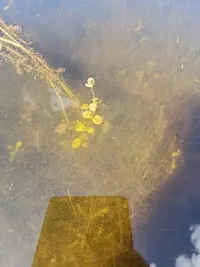
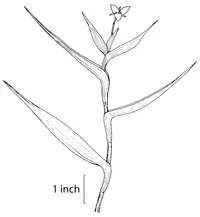
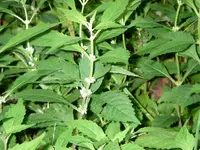
Wartremoving herb (Murdannia keisak) is a small, creeping aquatic or semi-aquatic plant often found along muddy riverbanks, marshes, and rice fields. It forms low, mat-like patches with slender stems and narrow, soft green leaves.

This species is native to East Asia but has naturalized in some parts of North America, especially in wet or shallowly flooded areas. It spreads quickly in suitable conditions, which makes it easy to establish but sometimes hard to contain.

For those who want to care for wartremoving herb, it generally prefers consistently moist to wet soil, gentle light, and protection from extended dry periods.

Main Plant Requirements

Care Difficulty

Moderate Care

Light Preference

Partial Sun

Water Requirements

Aquatic

Temperature Preference

Warm Climate

Hardiness Zone

7–10

Soil Texture

Loamy, Silty, Organic-rich

Soil pH

Acidic (5.5–6.5), Slightly acidic (6.5–7.0)

Soil Drainage

Waterlogged tolerant

Fertilization

Minimal (feed rarely)

Get Personalized Care Plan

Scan your plant to receive care tips personalized for your specific plant

Available on iOS and Android

How to Care for the wartremoving herb

Murdannia keisak grows best with bright, gentle light that mimics open, moist habitats.

  • Provide 3–5 hours of soft morning sun with light shade or filtered light for the rest of the day to reduce leaf scorch risk.
  • Allow partial shade, especially in hot summers; dappled light under taller plants suits wartremoving herb in garden or wetland edges.
  • In hotter months, protect from intense afternoon sun; in cooler seasons, give more open exposure to maintain compact, vigorous growth.

This species prefers consistently moist conditions and does not tolerate long dry spells.

  • Keep soil evenly moist, not waterlogged; surface should feel damp, with no more than the top 1–2 cm starting to dry before rewatering.
  • Use rich, high-organic soil that drains slowly but does not stay stagnant; standing water with foul smell indicates poor drainage and oxygen loss.
  • In hot, windy periods, check moisture daily; wilting or dull, folding leaves suggest underwatering, while yellowing, mushy stems signal overwatering stress.

This plant favors warm, humid conditions and is sensitive to cold and frost.

  • Aim for 70–85°F (21–29°C) during active growth; warmth supports rapid shoot and root development in wet soils or shallow water.
  • Protect from temperatures below 40°F (4°C); foliage is damaged by light frost, and prolonged exposure near freezing can kill stems and roots.
  • In hot spells above 90°F (32°C), provide partial shade and stable moisture to limit heat stress, leaf scorch, and growth slowdown.

This species prefers quite humid air and reacts quickly to dry conditions.

  • Aim for 60–80% humidity, as this shallow-water plant is adapted to moist, marshy air layers around its foliage.
  • In dry indoor air below 40%, leaf tips may brown, edges may curl, and growth can slow noticeably.
  • Increase humidity by grouping plants, using a pebble tray with water below the pot base, or running a small humidifier nearby for wartremoving herb indoor care.

This plant prefers consistently moist, organic-rich soil that stays wet without turning anaerobic.

  • Use a loose, loamy mix with 50–60% peat or coco coir, 20–30% compost, and 20–30% sand to mimic marshy conditions.
  • Soil should hold water like a sponge yet still have fine pore spaces so roots receive oxygen instead of sitting in stagnant muck.
  • A slightly acidic pH around 5.5–6.5 suits Murdannia keisak, which naturally grows in wetlands and rice fields.
  • Avoid heavy, compacted clay or pure sand; blend in organic matter and some fine sand to improve both moisture retention and aeration.

This species adapts well to container growing when moisture and stability are managed carefully.

  • Choose a wide, shallow pot to accommodate its creeping habit and allow even moisture distribution across the root zone.
  • Use a container material like plastic or glazed ceramic to slow evaporation so the consistently wet substrate is easier to maintain.
  • Set the pot in a stable tray or cachepot to prevent tipping as stems spread and to capture overflow from heavy watering without waterlogging the root zone.

Murdannia keisak benefits from light, consistent feeding during active warm-season growth, especially in containers.

  • Use a balanced liquid fertilizer (such as 10-10-10) at 1/4–1/2 strength every 4–6 weeks from late spring through summer.
  • For outdoor patches, a thin layer of fine compost in spring supports steady growth when caring for wartremoving herb.
  • Avoid high-nitrogen lawn products nearby, which can cause weak, overly soft stems.
  • Stop feeding in fall and winter to allow natural slowing of growth and prevent soft, frost-prone tissue.

Murdannia keisak responds well to light pruning that manages spread and keeps clumps dense.

  • Best time for structural pruning is late winter to early spring before vigorous new growth begins.
  • Use clean, sharp scissors or hand pruners to remove dead, damaged, or yellowing stems at the base.
  • Trim back long, sprawling shoots by 1/3 to shape the plant and encourage bushier side growth.
  • During the growing season, pinch soft tips to control height and maintain a compact, tidy appearance.

This species is usually grown outdoors as a spreading marginal or groundcover, so focus on transplanting rather than frequent repotting.

  • Transplant in spring when soil warms and plants show fresh new growth and active rooting.
  • Move clumps when they become crowded or growth slows, or when roots form dense mats at the soil surface or container edge.
  • Lift sections with a trowel, keep roots moist, and replant at the same depth into consistently damp, loose soil.
  • Water thoroughly after transplanting, shade for a few days if sun is strong, and avoid disturbing the roots until new growth resumes.

Murdannia keisak spreads readily, and propagation is most effective by division and stem cuttings.

  • Divide dense clumps in spring or early summer, separating rooted sections and replanting them into moist soil.
  • Take 8–10 cm soft stem cuttings, remove lower leaves, and place nodes in water or very damp substrate.
  • Provide bright, indirect light and consistently high moisture; roots usually form within 1–3 weeks.
  • Seeds can be sown in shallow trays of wet soil in late spring, kept warm and constantly moist until germination.

In mild climates this plant may overwinter with minimal attention, but colder areas require some targeted winter care.

  • Murdannia keisak is not reliably hardy where winters fall below about 20–25°F, and top growth may die back.
  • Apply a 3–5 cm mulch layer around outdoor clumps in late fall to insulate the root zone.
  • Move container-grown plants indoors to a bright, cool, frost-free space before hard freezes arrive.
  • Water sparingly in winter, keeping soil just slightly moist, since growth is much slower in low light and cool conditions.

Care Tips

Shallow Container Choice

Use a wide, shallow tray or pot to match the plant’s creeping habit, which encourages dense groundcover growth and makes it easier to manage spreading stems.

Regular Tip Pinching

Pinch back 1–2 cm from the soft tips of stems every few weeks during active growth to keep plants compact, promote branching, and increase leaf density.

Controlled Edge Management

Install low plastic or metal edging around outdoor beds and trim back runners monthly so the plant does not invade adjacent planting areas or natural waterways.

Stem Propagation Strips

Lay healthy stems horizontally on moist substrate and secure them lightly with U-shaped wire or bent paperclips to root multiple new plants quickly along the nodes.

Seasonal Containment Checks

In late summer and early fall, inspect for escaped seedlings in nearby wet areas and remove them promptly to prevent unwanted spread while growing wartremoving herb near ponds or ditches.

Common Pests and Diseases

Leaf-spotting fungi

This disease causes small water-soaked or brown lesions on the narrow leaves, which may merge into larger dead patches under warm, wet conditions. Symptoms include faster spread where foliage stays wet for long periods in dense streamside growth or containers with overhead watering.

Solution

Remove and dispose of heavily spotted leaves and thin crowded stems to improve air movement and light penetration. Avoid overhead watering, keep foliage as dry as possible, and if spots continue to spread, apply a copper- or chlorothalonil-based fungicide labeled for ornamental foliage following local regulations and label directions.

Rust fungus

This disease produces small orange to brown pustules on leaf undersides, sometimes with yellowing on the upper surface. Symptoms include premature leaf drop in humid, stagnant air, especially in dense stands near water margins or in poorly ventilated indoor setups.

Solution

Cut off and remove affected leaves and any fallen debris, then increase air circulation and avoid prolonged leaf wetness. In situations with repeated rust outbreaks, rotate registered rust-targeting fungicides and avoid reusing contaminated potting media in new containers when you grow Murdannia keisak.

Spider mites

These insects feed on leaf sap and create fine webbing, leading to small pale stippling and general leaf dullness or bronzing, especially in hot, dry conditions. This pest may be more noticeable on indoor or container-grown plants kept in low humidity.

Solution

Rinse foliage thoroughly with a strong but gentle stream of water, including leaf undersides, and repeat every few days to disrupt mite populations. For persistent infestations, use insecticidal soap or horticultural oil directed to the undersides of leaves, and raise humidity slightly while avoiding waterlogged soil.

Aphids

These insects cluster on tender shoot tips and undersides of leaves, sucking sap and causing distortion, curling, or stunted new growth. This pest also leaves sticky honeydew that can lead to black sooty mold on leaves and stems.

Solution

Pinch or prune heavily infested shoot tips and wash the remaining foliage with water to dislodge aphids. If numbers remain high, apply insecticidal soap or a light horticultural oil to all green surfaces, repeating at 5–7 day intervals until colonies are gone, and avoid high-nitrogen overfertilization that encourages soft, aphid-prone growth.

Interesting Facts

Aquatic annual habit

This species is an annual herb that completes its life cycle in a single growing season and is strongly associated with shallow, slow-moving or still freshwater habitats such as rice paddies, ditches, and pond margins.

Floating stem strategy

Its slender, often rooting stems can sprawl and float on the water surface, allowing the plant to exploit flooded or waterlogged soils that many terrestrial species cannot tolerate.

Rice field weed

In parts of East Asia and areas where it has been introduced, this plant is a characteristic weed of rice fields, where its growth pattern and timing often overlap with rice cultivation and can interfere with crop management.

FAQs about wartremoving herb

This species spreads quickly by creeping stems and self-seeding, especially in wet soil. In suitable climates it can form dense mats and behave aggressively, so use edging, containers, or regular trimming to keep it contained.

Grow Healthy Plants with Botan Care

Keep your plants happy and healthy with plant identification, disease detection, and easy care guidance.

Botan plant care app — identify plants on mobile

Explore More Plants