Dry Rest Storage
After foliage dies back, lift the bulbs, brush off loose soil, and store them in a breathable paper bag with dry vermiculite or sawdust in a cool, airy place to ensure a proper dry dormancy.

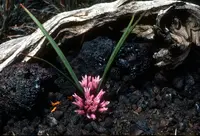
Tolmie's onion (Allium tolmiei) is a small, bulb-forming perennial native to dry, open habitats of the Pacific Northwest in North America. It often grows in rocky slopes, grasslands, and sagebrush steppe.
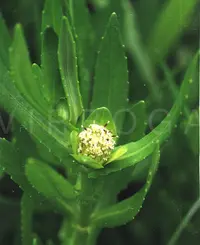
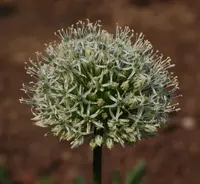
Plants produce narrow, grasslike leaves and slender stalks topped with clusters of nodding, starry flowers in soft white to pink tones. The foliage typically dies back after flowering, entering a summer dormant phase.
This species suits gardeners who understand bulbs that rest dry part of the year and do not expect evergreen growth. To care for Tolmie's onion, provide sun, well-drained soil, and protection from excess summer water.

Care Difficulty
Moderate Care

Light Preference
Full Sun

Water Requirements
Low Water

Temperature Preference
Cold Hardy

Hardiness Zone
4–8

Soil Texture
Sandy, Loamy, Rocky

Soil pH
Acidic (5.5–6.5), Slightly acidic (6.5–7.0)

Soil Drainage
Well-drained

Fertilization
Minimal (feed rarely)
Scan your plant to receive care tips personalized for your specific plant
Available on iOS and Android
This small bulb prefers bright conditions that mimic open, upland habitats when growing Tolmie's onion.
This species prefers a moist spring followed by a relatively dry summer rest period.
This hardy bulb is adapted to cool to cold winters and moderate summer temperatures.
Humidity is rarely a concern for Allium tolmiei, which is adapted to relatively dry air.
Allium tolmiei prefers lean, fast-draining, mineral-rich soil that mimics rocky native slopes.
This species suits container growing when bulbs are kept in shallow, sharply drained pots.
Allium tolmiei is adapted to low-nutrient soils, so use fertilizer sparingly to avoid lush, weak growth.
Allium tolmiei needs only light pruning, mainly to keep clumps tidy and reduce disease risk.
This species is most often grown in the ground, so focus on careful transplanting and only infrequent repotting.
Allium tolmiei is commonly propagated by bulb division and, less often, from seed.
This species is generally cold hardy in much of the US and usually needs minimal winter care in the ground.

Plant Health Check
Not sure what's wrong with your plant? Check your plant's health inside the app.
This species forms very small bulbs, often only about 1 cm across, adapted to shallow, rocky soils in mountain and foothill habitats of the Pacific Northwest.
It typically flowers very early in spring, soon after snowmelt, taking advantage of cool, moist conditions before surrounding grasses and forbs create heavy shade.
Natural populations occur in a wide range of open habitats, from sagebrush steppe and dry grasslands to open coniferous forest clearings, showing strong ecological flexibility for a small geophyte (a plant with underground storage organs).
Lack of flowering usually comes from insufficient cold in winter, too much shade, or overcrowded bulbs. Provide a cool dormant period, full sun, and divide clumps every few years to restore energy for bloom production.
Keep your plants happy and healthy with plant identification, disease detection, and easy care guidance.