Freshwater Mangrove Care (Barringtonia racemosa)

Also known as: Powder-puff Tree, Fish-Poison Tree, False-Guava, Hippo-Apple, Horse chestnut, Wild-Guava
Freshwater Mangrove

About Freshwater Mangrove

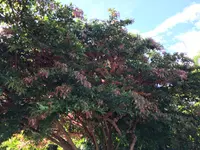
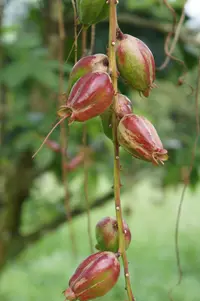
Barringtonia racemosa, commonly called freshwater mangrove, is a semi-aquatic tree or large shrub found along rivers, estuaries, and swampy margins in tropical Asia and Africa. It often forms small thickets with spreading branches and long, hanging flower spikes that carry white to pink brush-like blooms, followed by boxy, buoyant fruits.

This species is adapted to wet soils and fluctuating water levels, which can make it challenging outside warm, frost-free climates. It prefers consistently moist to waterlogged substrates, soft light to moderate sun, and sheltered, humid conditions. Gardeners who learn how to care for Freshwater Mangrove usually grow it in large containers, ponds, or specialized water gardens.

Main Plant Requirements

Care Difficulty

Hard Care

Light Preference

Full Sun

Water Requirements

Aquatic

Temperature Preference

Tropical / Frost Sensitive

Hardiness Zone

11–12

Soil Texture

Sandy, Loamy, Organic-rich

Soil pH

Slightly acidic (6.5–7.0), Neutral (7.0)

Soil Drainage

Waterlogged tolerant

Fertilization

Minimal (feed rarely)

Get Personalized Care Plan

Scan your plant to receive care tips personalized for your specific plant

Available on iOS and Android

How to Care for the Freshwater Mangrove

Barringtonia racemosa thrives in warm, bright sites with protection from intense afternoon sun.

  • Provide 4–6 hours of direct morning sun with light shade or dappled light after midday, especially in hot climates.
  • Allow partial shade (2–4 hours of direct sun) in summer; in cooler seasons, increase exposure to capture more gentle sun for steady growth.
  • Watch leaves for stress: pale, scorched, or crispy edges indicate too much intense sun; sparse, elongated shoots signal insufficient light.

This species is adapted to very wet conditions and prefers consistently saturated substrates.

  • Keep soil or shoreline substrate constantly moist to waterlogged; do not allow the top 2–5 cm to dry out in warm weather.
  • In cooler months, maintain moisture but reduce added water slightly if growth slows and evaporation drops, avoiding stagnant, foul-smelling water.
  • Yellowing, soft leaves and a sour odor indicate oxygen-poor, compacted substrate, while drooping, leathery leaves and slowed growth suggest insufficient water reaching the roots.

This tropical tree prefers warm, stable temperatures and is sensitive to cold snaps.

  • Aim for 70–90°F (21–32°C) for active growth, typical of lowland tropical and subtropical conditions.
  • Protect from temperatures below 55°F (13°C); damage often occurs near 45°F (7°C), and freezing at 32°F (0°C) can kill young wood and fine roots.
  • In hot periods above 95°F (35°C), ensure high humidity and ample water around the root zone to limit heat stress and leaf scorch.

This species prefers consistently high humidity similar to its native riverine habitat.

  • Aim for 60–80% humidity; it tolerates brief dips lower but long periods under 40% lead to stress.
  • Dry indoor air causes leaf edge browning, tip dieback, and slowed new growth in Freshwater Mangrove.
  • Increase humidity with a nearby humidifier, large pebble tray under the pot, and grouping moisture-loving plants together.

Barringtonia racemosa grows best in saturated, organic-rich substrates rather than typical potting soil.

  • Use a heavy, fine-textured mix of clay-loam and coarse sand with 30–50% well-decomposed compost or leaf mold to mimic riverbank mud.
  • Allow very slow drainage or shallow standing water over the soil surface, as roots are adapted to low-oxygen, waterlogged conditions.
  • Keep pH slightly acidic to neutral (pH 6.0–7.0), avoiding strongly alkaline mixes that reduce nutrient availability.
  • Do not use very loose, fast-draining cactus-type mixes, which dry out quickly and prevent stable, semi-aquatic rooting.

This tree can be grown in containers when young or kept small, provided the container setup supports its semi-aquatic root needs.

  • Choose a deep, wide, heavy container that resists tipping as the trunk thickens and the canopy becomes heavier on one side.
  • Use a pot material such as glazed ceramic or plastic that slows evaporation so the saturated substrate does not dry out between waterings.
  • Select a container that allows a shallow water reservoir above the drainage layer so roots can access constant moisture without flooding surrounding surfaces.

This mangrove-edge tree grows in nutrient-rich silt, so container-grown Barringtonia racemosa benefits from modest, controlled feeding.

  • Use a balanced NPK fertilizer (for example 10-10-10) at 1/2 strength for Freshwater Mangrove grown in pots.
  • Feed every 4–6 weeks during the warm growing season when active growth and leaf production are visible.
  • Supplement with a thin layer of well-rotted compost on the soil surface once per year to support steady growth.
  • Stop feeding in late fall and winter, when growth slows, to avoid weak, elongated shoots.

Barringtonia racemosa responds well to light structural pruning to maintain a stable canopy and remove weak growth.

  • Carry out main pruning at the end of the dry or cool season, just before strong new growth begins.
  • Remove dead, diseased, crossing, or storm-damaged branches first to improve air movement and reduce disease risk.
  • Thin crowded inner shoots to let more light into the canopy, which supports flowering and balanced branching.
  • Use clean, sharp bypass pruners or a pruning saw, making smooth cuts just outside the branch collar.

This species is usually planted in the ground near water, so management focuses on careful transplanting of young trees rather than frequent repotting.

  • Transplant in warm weather when soil is workable and night temperatures stay above 60°F to reduce shock.
  • Look for roots circling a nursery pot, slow growth, or quick drying of the substrate as signals to move it into the ground or a larger container.
  • Lift the plant with as much root ball and surrounding soil as possible and keep roots moist and shaded during the move.
  • Set the root flare at existing soil level, water deeply to settle soil, then shade and shelter the plant for 1–2 weeks while it recovers.

Barringtonia racemosa is mainly propagated from seed, with cuttings used less often and requiring controlled conditions.

  • Collect fresh, fully mature seeds and sow them soon after harvest, as viability declines during long storage.
  • Sow in a moist, free-draining, slightly sandy mix, keeping temperatures around 75–85°F and humidity high.
  • Provide bright, indirect light and stable moisture; do not allow the seed mix to dry out or become waterlogged.
  • For semi-hardwood cuttings, use rooting hormone, warm bottom heat, and a covered, humid environment to encourage rooting.

This tropical to subtropical tree is frost sensitive and needs protection in regions with cool winters.

  • In areas below 40°F, grow in large containers so plants can be moved indoors or into a heated greenhouse for winter.
  • Keep indoor temperatures above 60°F and provide bright light to limit leaf drop and stress.
  • For in-ground plants in marginal climates, insulate the root zone with a 5–8 cm layer of mulch, keeping it away from the trunk base.

Care Tips

Container water management

If growing in a large tub or half-barrel, keep the pot inside a wider, watertight outer container so the lower 5–10 cm of the root zone can stand in water without flooding nearby surfaces.

Salinity monitoring

When using slightly brackish or mineral-rich water, flush the substrate with fresh water every 4–6 weeks to prevent salt buildup that can burn fine feeder roots.

Structured canopy training

In the first 3–4 years, select 3–5 strong scaffold branches and remove steep, crossing, or inward-growing shoots to create an open vase-shaped canopy that allows better light and air into the crown.

Wind and stem support

In exposed sites, use 2–3 loosely tied, opposing stakes for young trees and remove them gradually over 12–18 months once the trunk has lignified and can stand unsupported.

Flood and drought hardening

To improve resilience, alternate several weeks of high water level with short periods when the water level is dropped to just above the root zone, which mimics natural shoreline conditions and supports long-term success when caring for Freshwater Mangrove.

Common Pests and Diseases

Leaf-mining moths

This pest creates pale, winding tunnels inside the leaves, often causing distorted or prematurely yellowing foliage on young shoots. Symptoms include reduced vigor on new growth and thin, papery leaf areas where tissue has been eaten from within.

Solution

Prune and destroy heavily mined leaves to interrupt the life cycle, and encourage natural predators by avoiding broad-spectrum insecticides. For nursery or container plants, use a targeted biologically based spray containing Bacillus thuringiensis (Bt) on young foliage and monitor new leaves regularly for early mines.

Scale insects

These insects attach along stems and leaf midribs, appearing as small, rounded or oval bumps that exude sticky honeydew. This pest can cause leaf yellowing, slow growth, and sooty mold development on sticky surfaces.

Solution

Wipe stems and leaves with a cloth or cotton pad dipped in dilute soapy water or horticultural oil, repeating weekly until no new scales appear. On larger landscape plants, apply a light horticultural oil spray to thoroughly coat infested areas, and trim badly affected twigs to reduce populations.

Sooty mold

This disease appears as black, soot-like growth on leaves and young stems, usually following sap-sucking insect activity such as scale or aphids. Symptoms include dull, blackened foliage and reduced photosynthesis, though leaf tissue is not directly invaded.

Solution

First control the underlying sap-sucking insects so new honeydew is reduced, then gently wash leaves with water to remove mold deposits. Improve light and air movement around the canopy by thinning crowded branches so leaves dry faster after rain or irrigation.

Leaf spot

This disease causes small brown to dark-purple spots on leaves, which may develop pale centers and merge into larger blotches during warm, humid weather. Symptoms include premature leaf drop on stressed or crowded plants.

Solution

Remove and discard fallen and heavily spotted leaves to reduce fungal spore levels, and avoid prolonged overhead watering in container or nursery settings. If disease pressure remains high, apply a copper- or chlorothalonil-based fungicide labeled for ornamental trees during wet periods, focusing on new flushes of foliage.

Bark canker

This disease produces sunken, discolored patches on branches or the lower trunk, sometimes with gum or sap oozing at the margins. Symptoms include dieback of twigs above the affected area and general decline in stressed or mechanically damaged plants, especially along waterways.

Solution

Prune out affected branches well below visible cankers with clean, disinfected tools, and improve plant vigor with adequate water and balanced nutrition. Avoid trunk and root injury, reduce prolonged waterlogging around young plants, and discard all infected prunings away from planting areas to limit reinfection.

Interesting Facts

Nocturnal bat pollination

This species produces large, brush-like night-blooming flowers that are mainly pollinated by nectar-feeding bats, which are attracted by the pale color and strong nocturnal scent.

Hanging raceme flowers

The tree forms long pendant racemes that can reach over 50 cm, with many individual flowers arranged along each drooping stalk, creating a distinctive tassel-like display over water edges.

Freshwater mangrove habitat

Unlike many true mangroves that prefer saline shores, this species naturally occurs along freshwater and slightly brackish riverbanks, backwaters, and swamp margins in tropical Asia and East Africa.

Botan icon

Did you know?

In some coastal and riverine communities, the powdered seeds of this species have traditionally been used as a fish poison because they release compounds that temporarily stun fish when dispersed in confined water bodies.

FAQs about Freshwater Mangrove

Flowering is reduced by insufficient light, young age, nutrient-poor or very dry soil, and lack of seasonal warmth. Ensure stable warmth, adequate moisture, and balanced nutrients. In marginal climates, container culture and protection from cool nights improve flowering reliability.

Grow Healthy Plants with Botan Care

Keep your plants happy and healthy with plant identification, disease detection, and easy care guidance.

Botan plant care app — identify plants on mobile

Explore More Plants